







Technology
Uber to Invest Over $100 Million in Charging Infrastructure for Robotaxis
Bild (c) Uber
Uber Technologies has announced plans to invest more than $100 million into building out charging infrastructure specifically for autonomous vehicles (robotaxis). The investment aims to establish a network of DC fast-charging stations located at both strategic autonomous vehicle (AV) depots and key urban transit hubs.
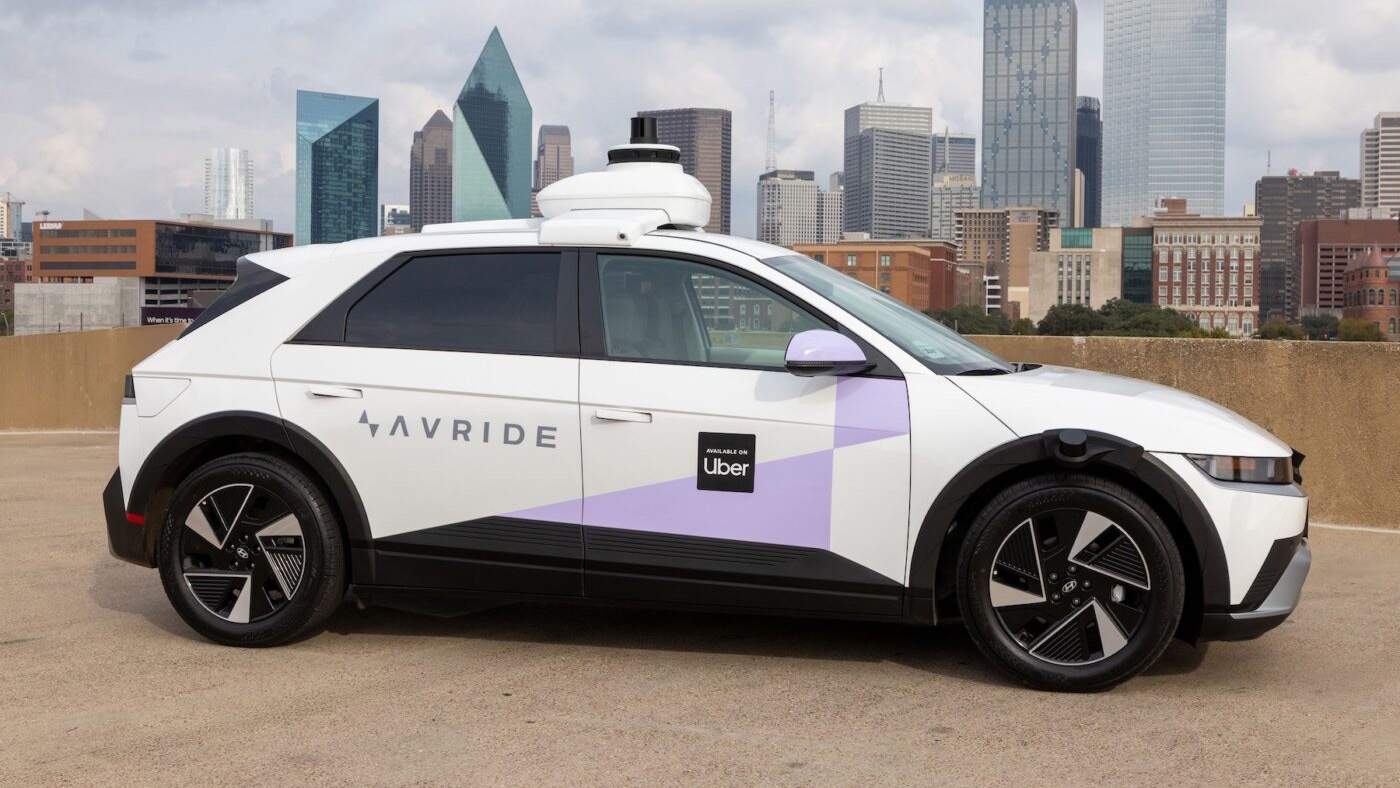
The first stations in this new charging network are slated for major US markets, including the San Francisco Bay Area, Los Angeles, and Dallas. Uber is currently collaborating with vehicle and tech partners in these regions, including Volkswagen for autonomous ID. Buzz vans and Lucid/Nuro for SUV-based autonomous fleets. By developing its own proprietary charging infrastructure, Uber aims to maximize fleet uptime and efficiency, minimizing the time vehicles spend sidelined during long charging cycles.
Uber Technologies has announced plans to invest more than $100 million into building out charging infrastructure specifically for autonomous vehicles (robotaxis). The investment aims to establish a network of DC fast-charging stations located at both strategic autonomous vehicle (AV) depots and key urban transit hubs.
The first stations in this new charging network are slated for major US markets, including the San Francisco Bay Area, Los Angeles, and Dallas. Uber is currently collaborating with vehicle and tech partners in these regions, including Volkswagen for autonomous ID. Buzz vans and Lucid/Nuro for SUV-based autonomous fleets. By developing its own proprietary charging infrastructure, Uber aims to maximize fleet uptime and efficiency, minimizing the time vehicles spend sidelined during long charging cycles.
According to Uber, the budget covers more than just the purchase of chargers; it includes site development, grid connection, and station build-outs—essentially all capital expenditures required to establish functional, scalable charging hubs. Owning and operating its own DC fast chargers is expected to drive operational efficiencies, lower overhead, and increase vehicle availability by getting robotaxis back into service faster.
In tandem with its own infrastructure projects, Uber plans to expand strategic partnerships with established charging point operators (CPOs) to accelerate the rollout of chargers for both robotaxis and standard EVs. This includes ongoing collaborations with:EVgo (New York, Los Angeles, San Francisco, and Boston), Electra (Paris and Madrid) and Hubber and Ionity (London)
In some instances, Uber is providing these network partners with guaranteed minimum utilization rates. This commitment helps de-risk the commercial deployment of new charging locations, making it easier for partners to secure financing and fast-track construction.