


Technology
Changan Announces Initial Test Installations for Solid-State Batteries
Bild (c) Changan
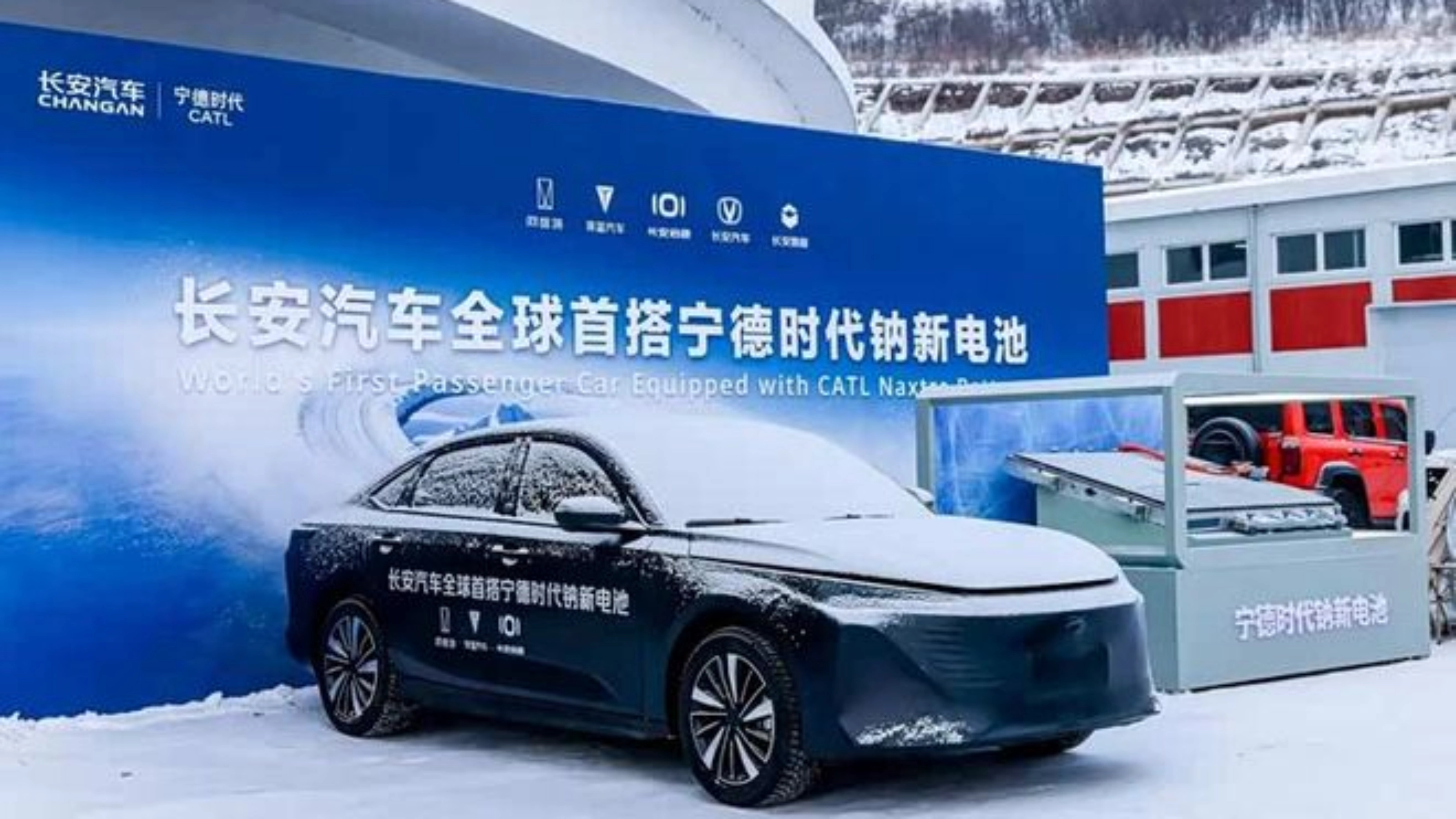
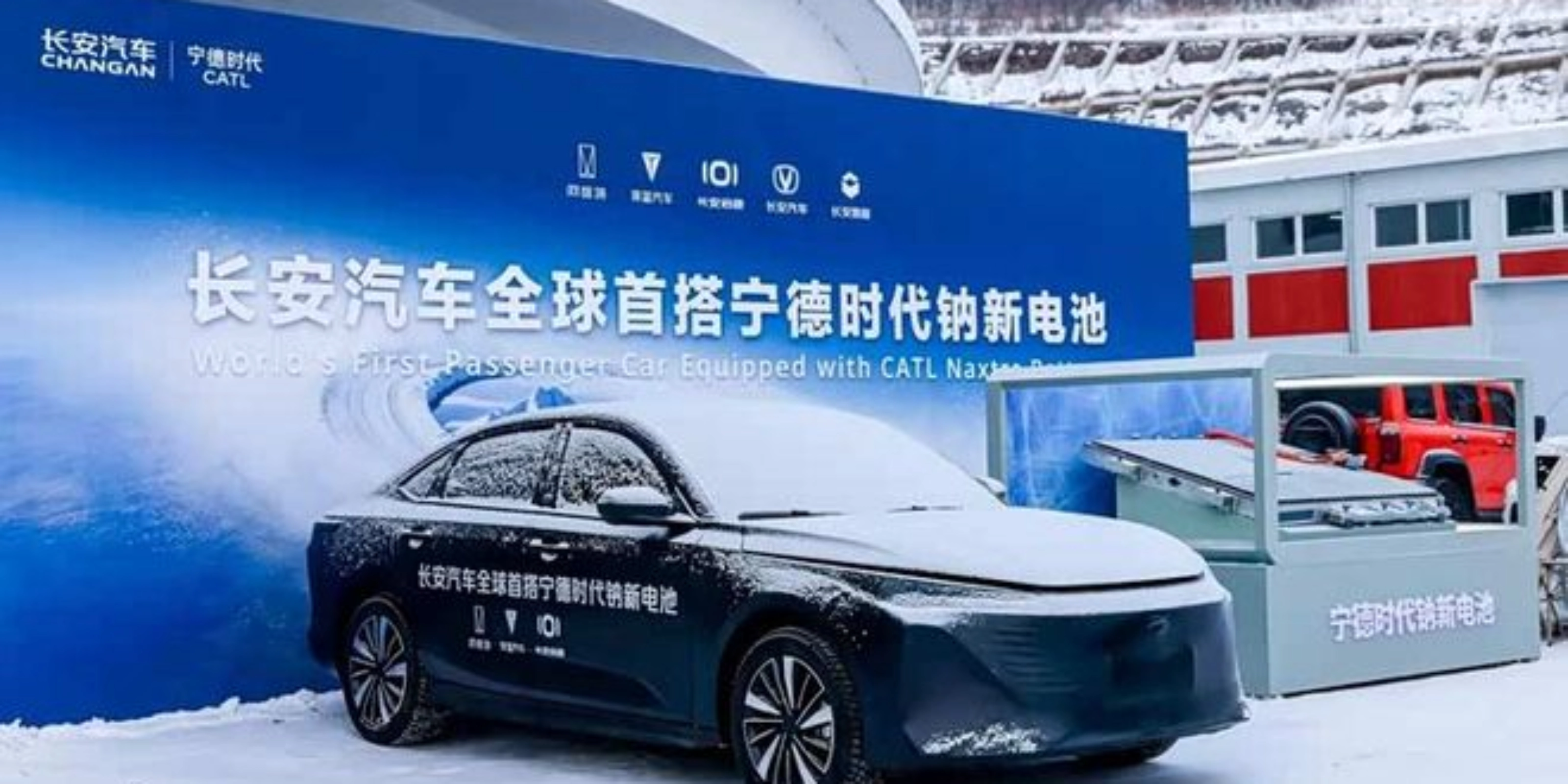
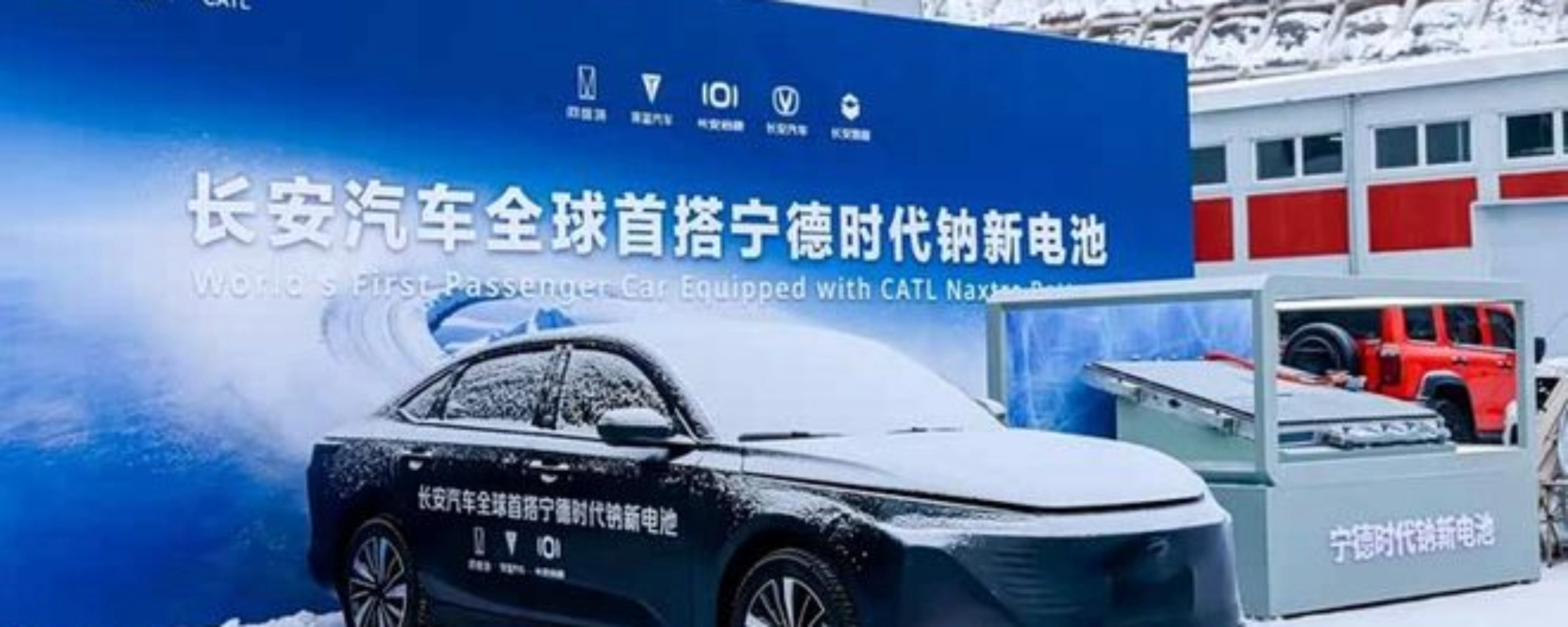
Chinese automaker Changan Automobile plans to begin its first in-vehicle test installations of solid-state batteries before the third quarter of 2026. While Changan made the official announcement, the company has not yet released specific details regarding which models or test vehicles will be used. These planned installations are designed to validate the technology under real-world conditions and gather critical data before moving to the next stage of development. Mass production of the solid-state cells is currently slated for 2027.
Chinese automaker Changan Automobile plans to begin its first in-vehicle test installations of solid-state batteries before the third quarter of 2026. While Changan made the official announcement, the company has not yet released specific details regarding which models or test vehicles will be used. These planned installations are designed to validate the technology under real-world conditions and gather critical data before moving to the next stage of development. Mass production of the solid-state cells is currently slated for 2027.
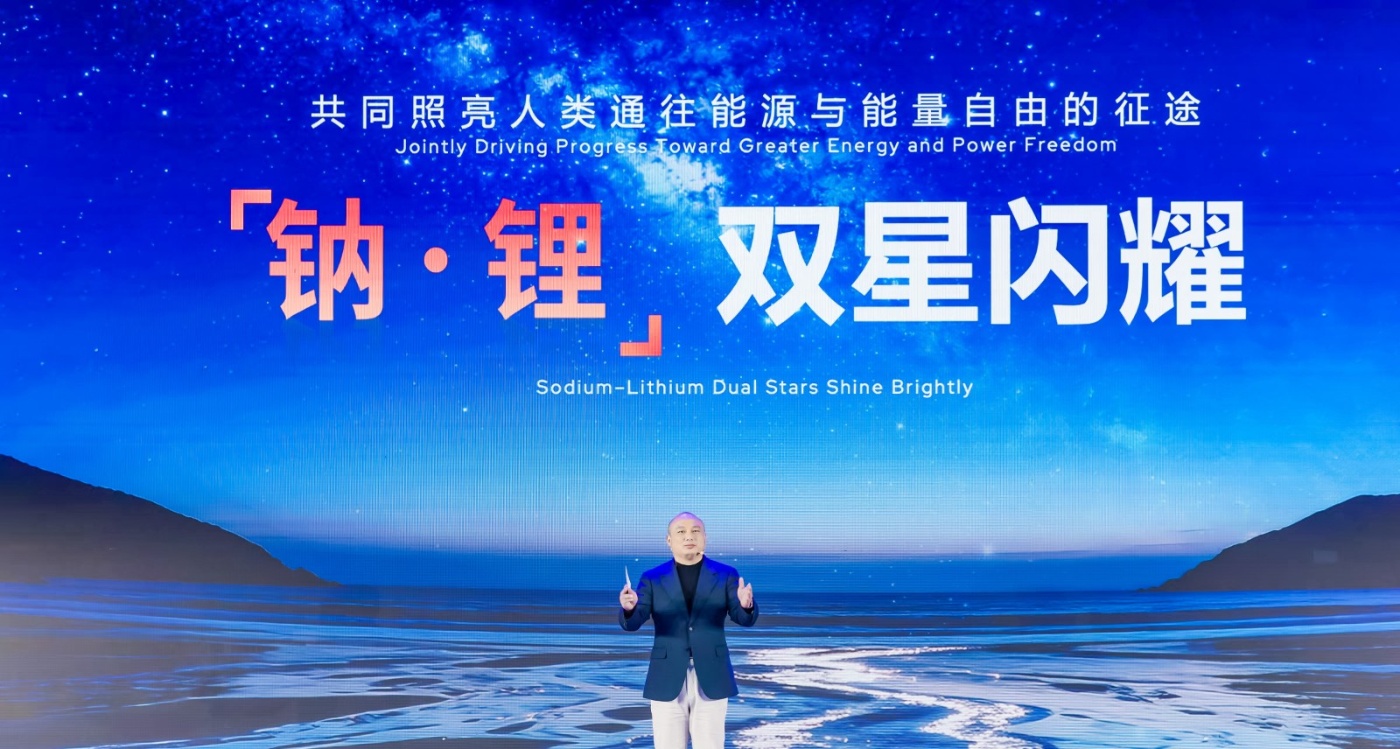
At the heart of Changan's R&D is the "Golden Bell" solid-state battery, a proprietary project the company is aggressively pursuing. According to previous reports, this battery is expected to achieve an energy density of approximately 400 Wh/kg, potentially enabling vehicles to travel over 930 miles (1,500 kilometers) on a single charge. Additionally, Changan aims to enhance system safety through AI-powered remote diagnostics and monitoring tools, which the manufacturer claims will provide a significant advantage over conventional cell chemistries.
The scheduled test installations later this year are a key component of a validation strategy leading up to potential series production approval. Changan plans to initially pilot the batteries in test cars and robotics platforms to collect real-world data and refine the system. If the tests meet expectations, the technology will be integrated into the manufacturer’s mass-market vehicle lineup starting in 2027.