








Weekly News
EU, Volkswagen, BMW, Tesla, Ionity and more
- IAA MOBILITY Weekly
- EU, Volkswagen, BMW, Tesla, Ionity and more

The EU Commission has unveiled its "Auto Package" draft; Volkswagen showcases the ID. Polo as it nears production; BMW Group and Encory launch direct recycling for battery raw materials; China grants its first Level 3 autonomous driving permits; Tesla plans full battery cell production in Grünheide starting in 2027; Ionity opens its charging infrastructure to network operators like Fastned, Electra, and Atlante; and Hubject, operator of the pan-European Intercharge platform, will integrate the Shell charging network. These are our top stories for Week 51 and our final Weekly of the year.
We wish you a Merry Christmas and a Happy New Year. We are taking a short holiday break and will see you again on January 9, 2026.
The EU Commission has unveiled its "Auto Package" draft; Volkswagen showcases the ID. Polo as it nears production; BMW Group and Encory launch direct recycling for battery raw materials; China grants its first Level 3 autonomous driving permits; Tesla plans full battery cell production in Grünheide starting in 2027; Ionity opens its charging infrastructure to network operators like Fastned, Electra, and Atlante; and Hubject, operator of the pan-European Intercharge platform, will integrate the Shell charging network. These are our top stories for Week 51 and our final Weekly of the year.
We wish you a Merry Christmas and a Happy New Year. We are taking a short holiday break and will see you again on January 9, 2026.
- 1. EU Commission Unveils "Auto Package" Draft
- 2. Volkswagen Showcases ID. Polo Near Production Readiness
- 3. BMW Group and Encory Launch Innovative Direct Battery Recycling
- 4. China Issues First Level 3 Autonomous Driving Permits
- 5. Tesla to Start Full Battery Cell Production in Grünheide, Germany, by 2027
- 6. Ionity Opens Infrastructure to More Network Operators
- 7. Shell Network Joins Hubject Platform for Improved Interoperability

The European Commission has introduced its draft for the "Auto Package," softening the long-standing goal of a total ban on internal combustion engines (ICE) by 2035. Instead of a mandatory 100% $CO_2$ reduction for new passenger cars and vans by 2035, the requirement will be lowered to 90% compared to 2021 emission levels. This translates to a fleet $CO_2$ output of approximately 11 g/km.
What this means: Plug-in hybrids, mild hybrids, range extenders, and even pure ICE vehicles can still be registered after 2035—provided manufacturers use offsetting mechanisms. These include using "green steel" sourced from the EU or climate-neutral fuels like biofuels and e-fuels. Simultaneously, the draft introduces incentives for smaller, affordable EVs through "super-credits" and targeted subsidies for vehicles under 4.2 meters (approx. 13.8 feet) in length. However, many details regarding practical implementation remain unclear.
Hildegard Müller, President of the German Association of the Automotive Industry (VDA), commented:
"The EU had promised to examine and analyze the realities and, based on that analysis, implement flexibilities and adjustments. This has not happened — Brussels has disappointed with its proposed draft. In times of increasing international competition, in times when European economic strength is crucial, this entire package from Brussels is disastrous.”
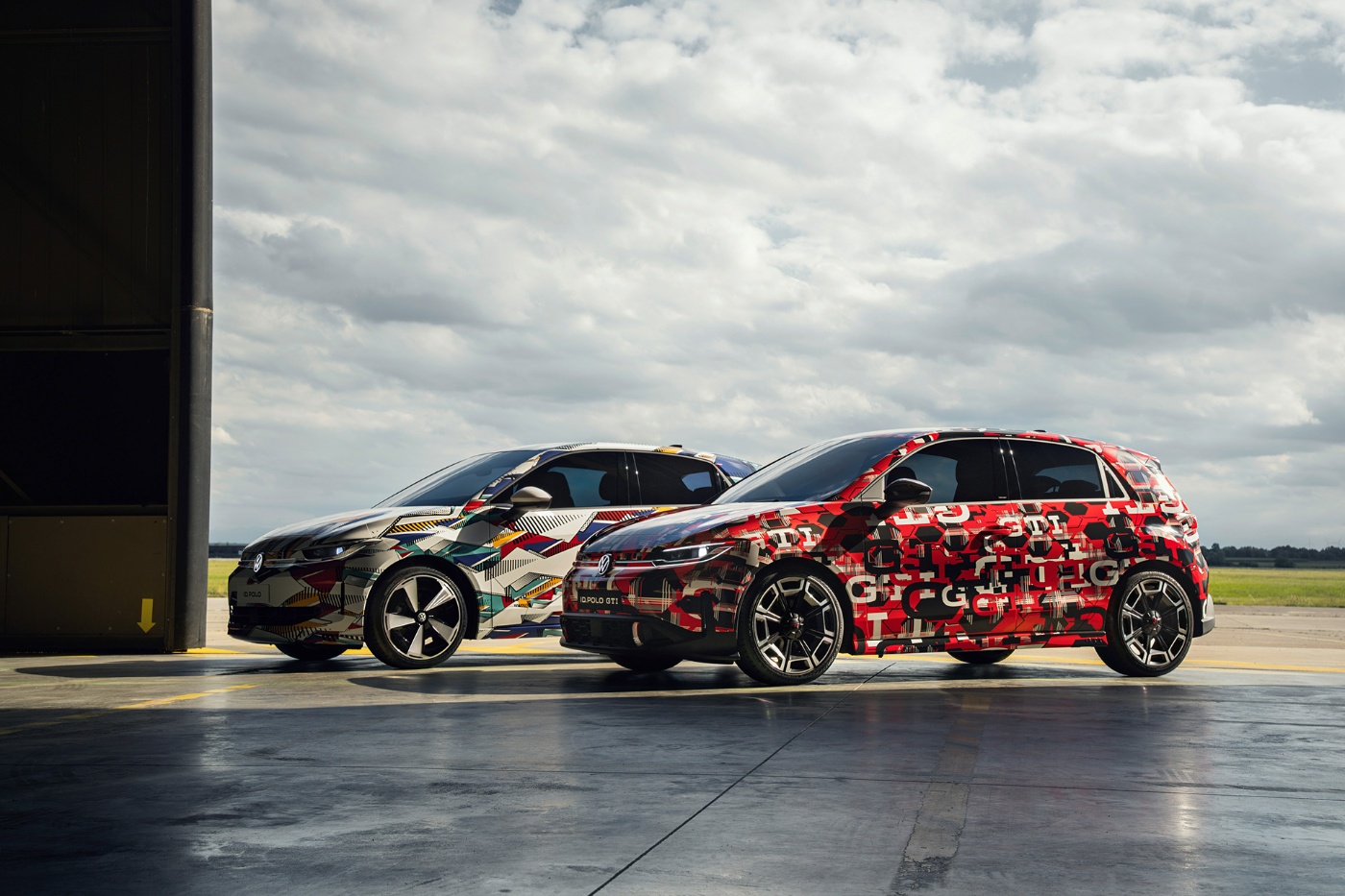
As the year draws to a close, Volkswagen has begun the countdown for the new ID. Polo. The company announced that a fleet of near-production prototypes is currently undergoing final testing across various global regions.
Set to debut in Spring 2026, the ID. Polo will offer three power levels: 85 kW (116 hp), 99 kW (135 hp), and 155 kW (211 hp). A sporty ID. Polo GTI with 166 kW (226 hp) is expected later that year. The entry-level versions will feature a 37 kWh LFP (Lithium Iron Phosphate) battery, capable of DC fast charging at up to 90 kW. The higher-performance models will utilize an NMC (Nickel Manganese Cobalt) variant of the new PowerCo unified cell, offering 52 kWh and a range of up to 450 km (approx. 280 miles). Built on the enhanced MEB+ platform, the ID. Polo will seat five and offer up to 435 liters of cargo space.
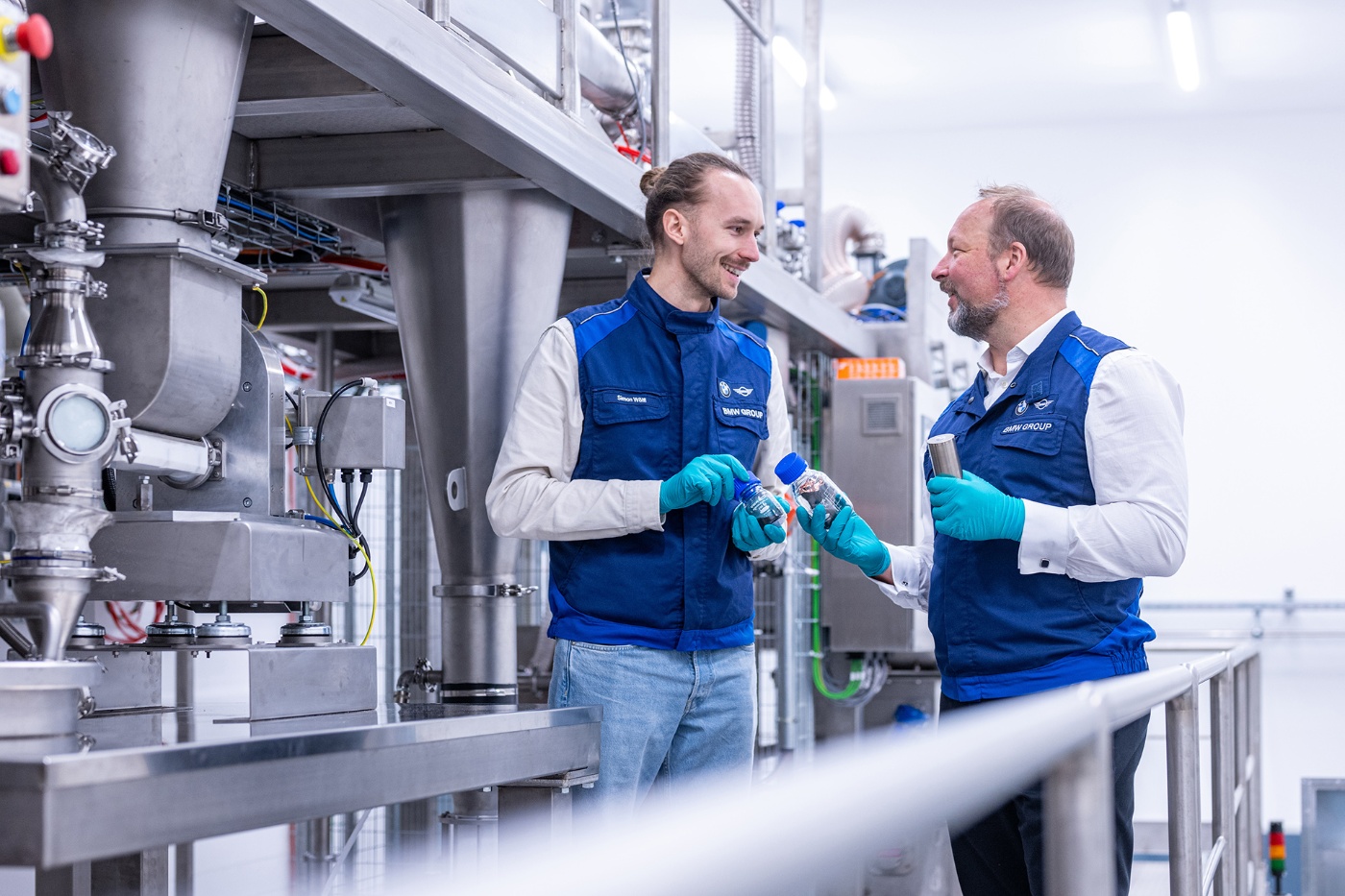
BMW has opened a new Cell Recycling Competence Center (CRCC) in Salching, Lower Bavaria. This industrial site focuses on "direct recycling" to recover battery raw materials. Unlike traditional methods that rely on energy-intensive chemical or thermal processes, direct recycling mechanically processes production scrap and entire battery cells to return them immediately to the manufacturing cycle.
Developed by BMW experts, the CRCC will initially recycle dozens of tons of cell material annually, which will be reused at BMW’s pilot plant in Parsdorf, Bavaria.
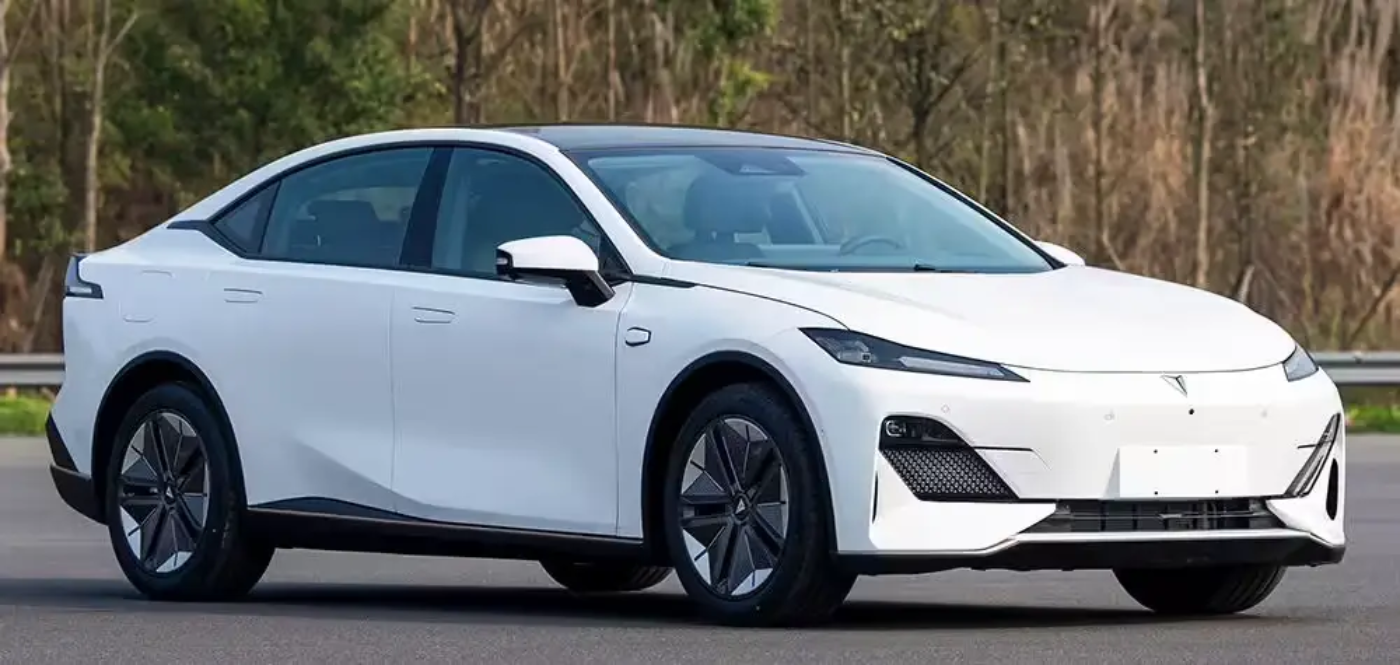
China’s Ministry of Industry and Information Technology (MIIT) has granted its first official permits for Level 3 highly automated vehicles. Two models received approval: Changan’s Deepal SL03 and BAIC Motor’s Arcfox Alpha S.
These vehicles are now authorized to use Level 3 functions in designated areas, such as specific urban and highway sections in Chongqing and Beijing. Under certain conditions, drivers may take their hands off the wheel and eyes off the road while the vehicle manages traffic. Limits vary by model: the Deepal SL03 allows automation in traffic jams or single-lane traffic up to 50 km/h (31 mph), while the Arcfox Alpha S is permitted at up to 80 km/h (50 mph). Notably, these are national product-regulatory approvals for series-production cars, not just local pilot permits.
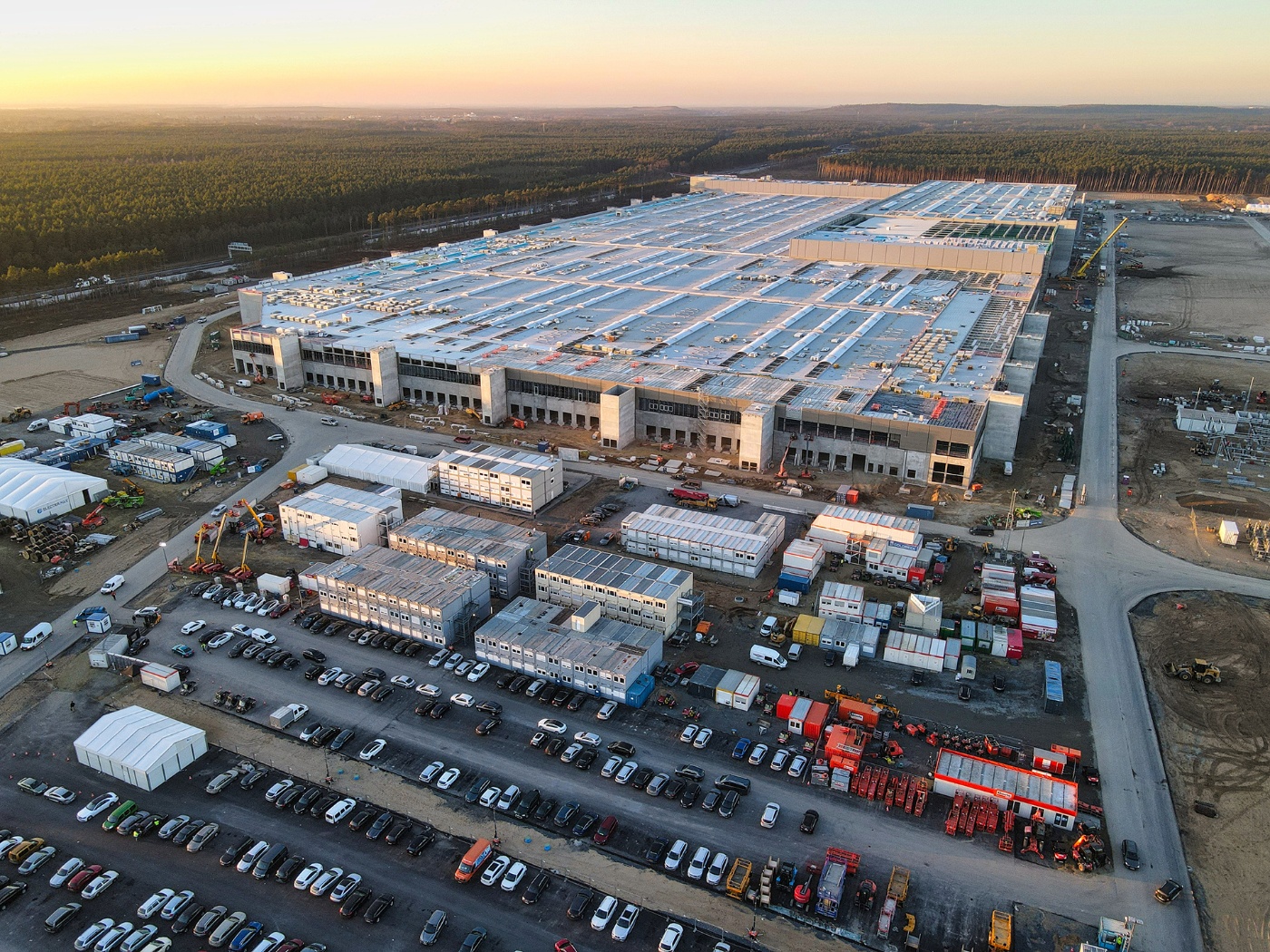
Tesla plans to begin manufacturing complete battery cells—not just components—at its Gigafactory Berlin-Brandenburg in 2027. Currently, the plant only produces modules and packs using imported cells.
Tesla intends to invest nearly €1 billion to expand the facility, aiming for an annual capacity of eight gigawatt-hours. This move is designed to increase vertical integration and strengthen supply chain resilience by centralizing every production step from individual cell to finished battery pack.
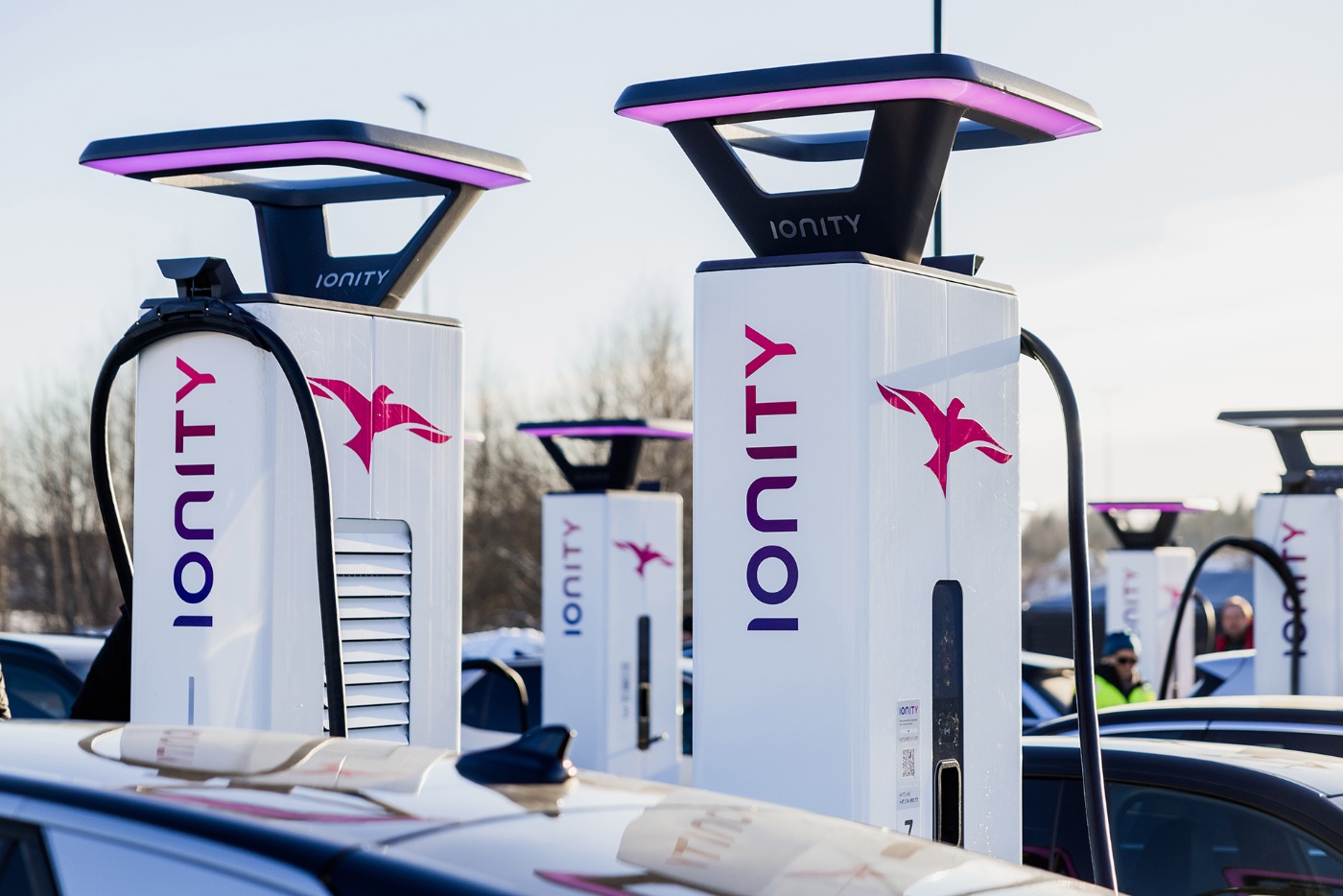
The pan-European fast-charging network Ionity is expanding its accessibility. Ionity sites will now be open to customers of operators Fastned, Electra, and Atlante.
This marks a shift from Ionity’s previous model, which was largely restricted to its own partners. EV drivers using cards or apps from these operators can now charge at selected Ionity stations without needing additional roaming contracts. Integration is handled via digital interfaces for seamless billing. Users will benefit from increased flexibility and access to Ionity’s High-Power Charging (HPC) stations, which offer speeds up to 350 kW.
Hubject, the operator of the European "Intercharge" e-mobility platform, announced that the Shell charging network will be integrated into its roaming network.
Intercharge functions similarly to mobile phone roaming, allowing different providers to connect their infrastructures. By joining the network, Shell’s extensive European charging footprint—including its growing number of High-Power Charging (HPC) hubs—will become accessible to any driver with an Intercharge-compatible app or card. For end-users, this means easier access to more charging points and centralized billing through a single provider.