








Weekly News
Renault, Ford, Nvidia, Audi, Citroen, Donut Lab and more
Post from December 12, 2025
- IAA MOBILITY Weekly
- Renault, Ford, Nvidia, Audi, Citroen, Donut Lab and more

Renault & Ford seal strategic alliance for EVs and commercial vehicles in Europe, Nvidia unveils Alpamayo-R1 AI model bringing "reasoning" to autonomous vehicles, Audi presents the E7X under its sub-brand AUDI (without the classic four-ring logo), Citroën debuts the ELO electric concept, Donut Lab aims to radically accelerate EV development with DonutOS, and Lexus reveals the next generation of its legendary supercar as a BEV with the LFA Concept—these are our top stories for Week 50 of 2025.
Renault & Ford seal strategic alliance for EVs and commercial vehicles in Europe, Nvidia unveils Alpamayo-R1 AI model bringing "reasoning" to autonomous vehicles, Audi presents the E7X under its sub-brand AUDI (without the classic four-ring logo), Citroën debuts the ELO electric concept, Donut Lab aims to radically accelerate EV development with DonutOS, and Lexus reveals the next generation of its legendary supercar as a BEV with the LFA Concept—these are our top stories for Week 50 of 2025.
- 1. Renault & Ford form strategic alliance for electric cars and commercial vehicles in Europe
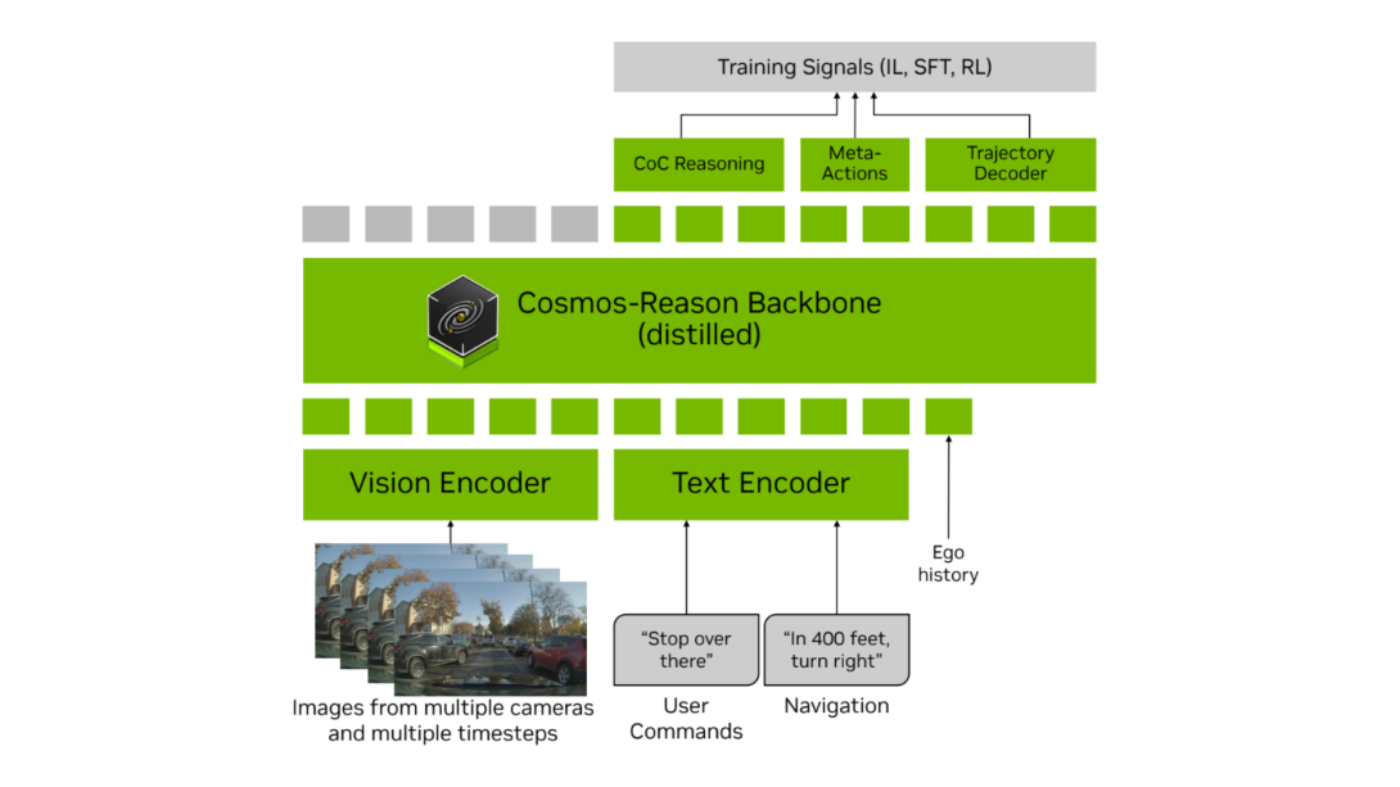
- 2. Nvidia presents Alpamayo-R1: AI model brings "Reasoning" to autonomous vehicles
- 3. Audi E7X: New electric SUV exclusively for China
- 4. Citroën presents ELO study: Electric minivan as a multifunctional living space
- 5. DonutOS aims to radically accelerate electric vehicle development
- 6. Lexus LFA Concept: Iconic supercar returns as an electric study

Renault Group and Ford Motor Company have announced a far-reaching strategic partnership aimed at strengthening both companies' positions in the European e-mobility market. At the heart of the collaboration is the joint development of two new electric vehicles for the Ford brand, based on Renault’s "Ampere" EV platform. These models are expected to hit the market in early 2028. They will be manufactured at Renault's ElectriCity site in northern France, leveraging the platform's concentrated expertise and manufacturing capacity. Under the agreement, Ford intends to utilize the Renault Group’s robust EV resources, while Renault aims to further expand its industrial reach and competitiveness through the alliance. Beyond the passenger car cooperation, there is also a letter of intent for collaboration in the light commercial vehicle (LCV) sector: both companies are exploring the joint development and manufacturing of light vans. (Note: The German source text mentioned "LG Group" in the first sentence, but context implies Renault Group. Corrected for logical consistency.)
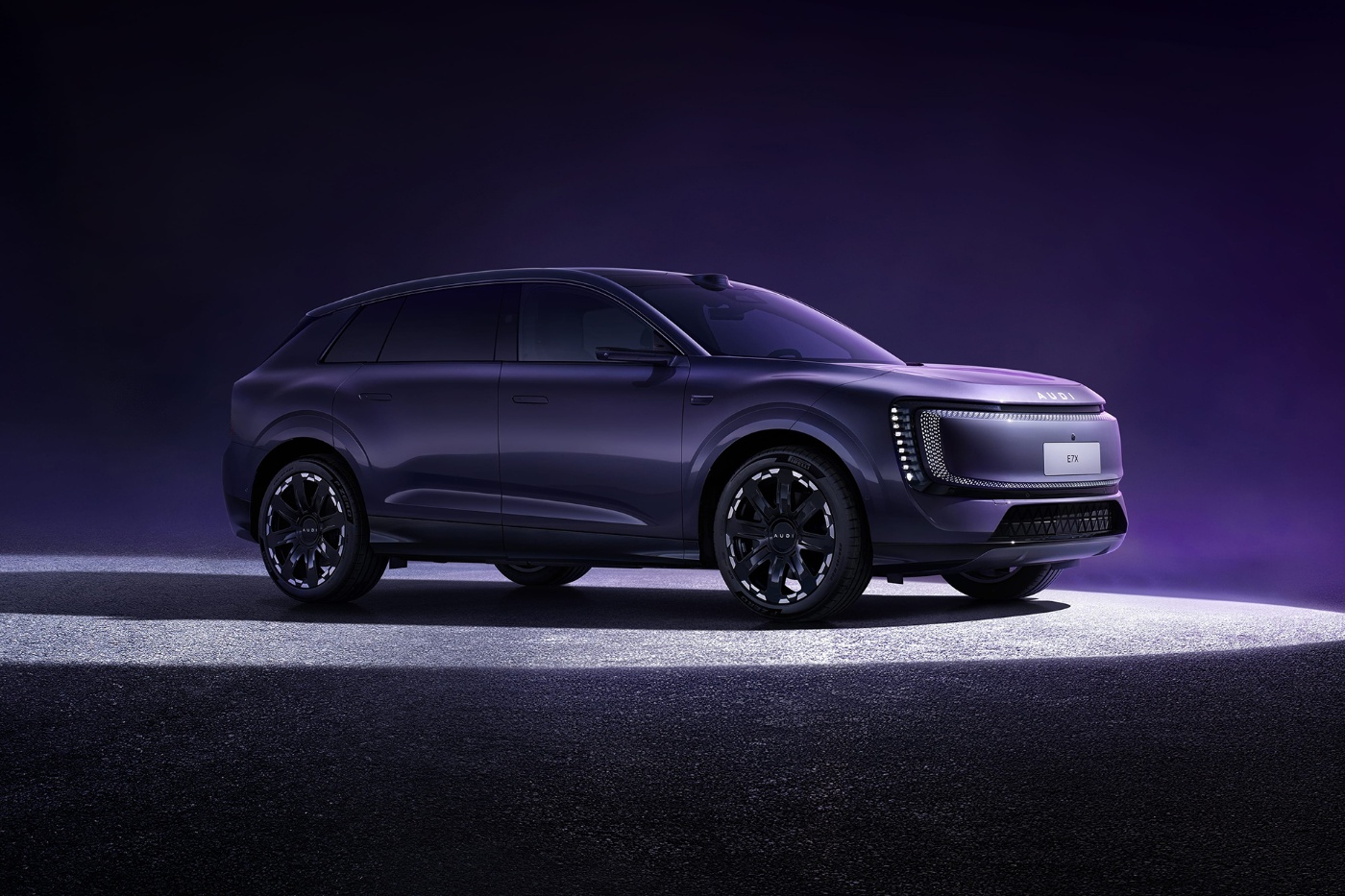
Audi has presented the new all-electric E7X SUV for China under the sub-brand AUDI (notably without the classic four-ring logo). The vehicle is the second production model from the China-exclusive sister brand, following the AUDI E SUV. The vehicle's development is based on a cooperation between Audi and its Chinese partner SAIC, blending modern digital platforms with advanced technologies. Two performance variants are planned for the E7X: one with approximately 300 kW and a more powerful version with around 500 kW system output, offering both daily usability and performance-oriented driving options. Audi has not yet released technical details regarding battery size, range, or pricing. The official premiere is scheduled for Auto China 2026 in Beijing, followed by a market launch in the first half of 2026. The model is currently announced exclusively for China, where it is intended to further expand the presence of the new, ringless sub-brand.
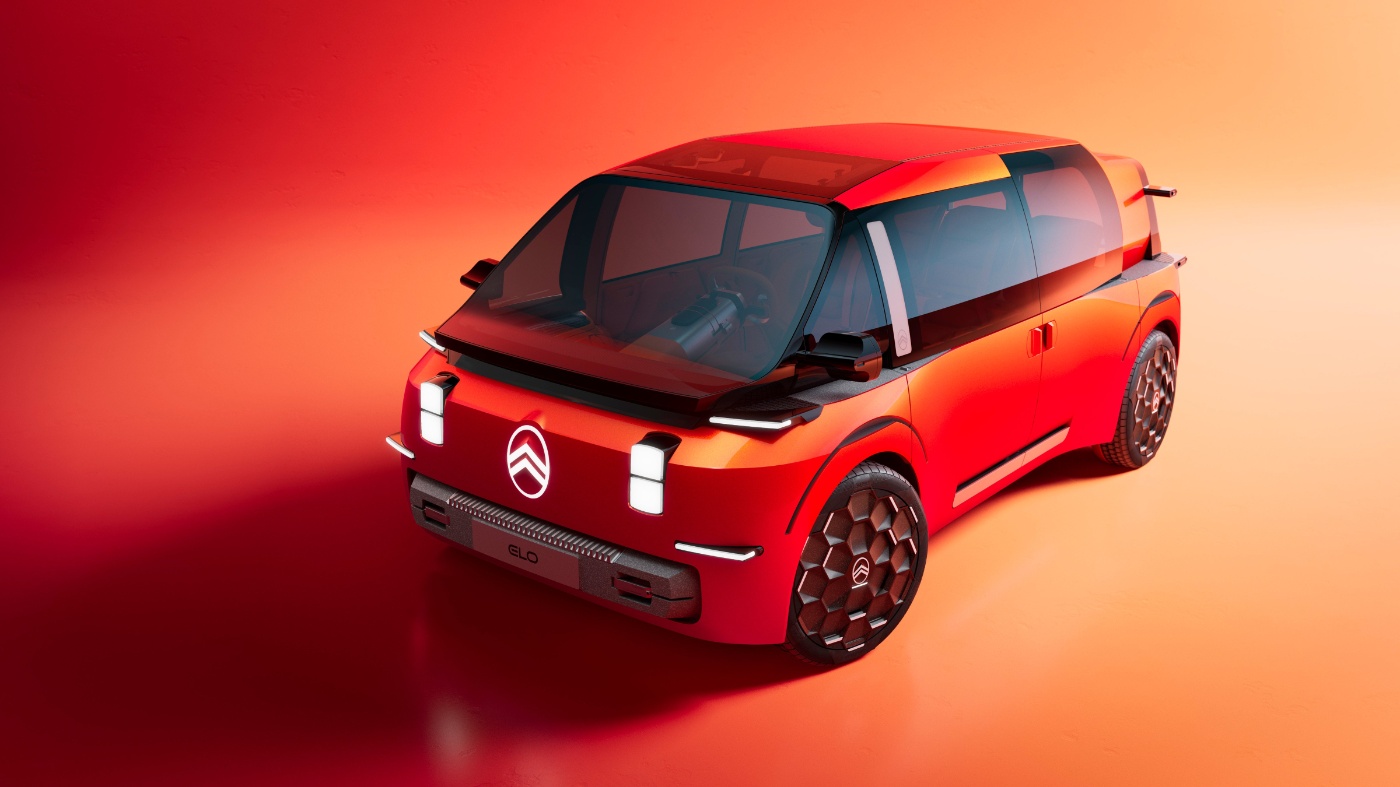
With the ELO, Citroën has introduced a new electric concept study that aims to be far more than just a vehicle. Spanning a length of 4.10 meters (approx. 13.5 feet), the ELO combines a modular interior concept with versatile usage options: travel, work, relaxation, or leisure activities should all be possible within a single vehicle. The acronym ELO stands for rEst, pLay, wOrk, reflecting the minivan's orientation: it is designed to function as a mobile living space rather than just a people mover. Thanks to its modular architecture, seats can be flexibly arranged or removed, creating space for up to six people. The interior can also be configured to serve as a lounge or workspace. Citroën emphasizes that the ELO is not just a mode of transport but an "ideas lab" providing inspiration for the brand's future. Features such as Vehicle-to-Load (V2L) ports will allow external devices like laptops or leisure accessories to be powered by the car, and an integrated compressor is included to support outdoor activities. The manufacturer has not yet released technical details on the powertrain, battery, or range. The vehicle is set to make its public debut on January 9, 2026, at the Brussels Motor Show.
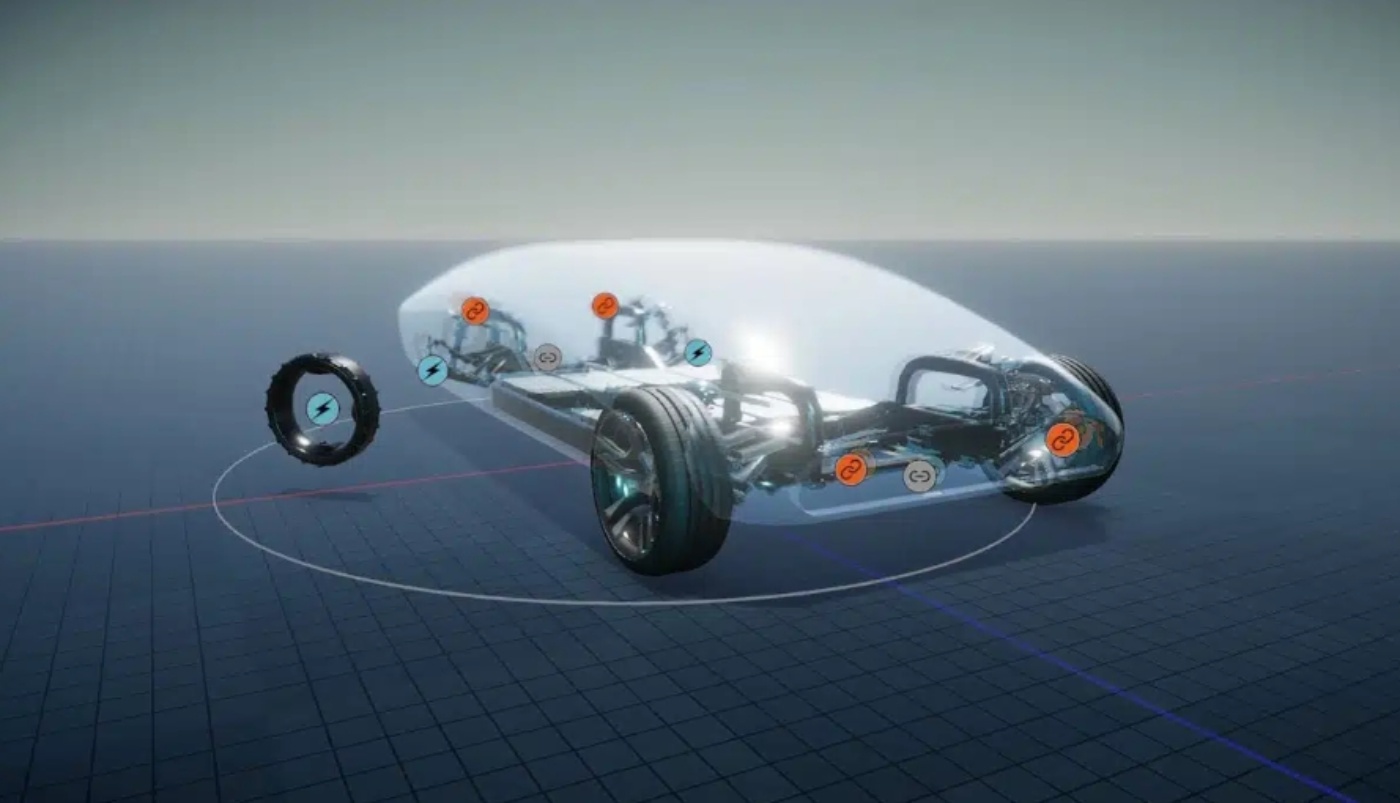
The Finnish technology company Donut Lab has introduced DonutOS, a new software platform designed to fundamentally transform EV development. The goal is to significantly shorten currently lengthy development processes—which often take several years and require numerous physical prototypes. Instead of using a multitude of separate tools, DonutOS unifies mechanical, electrical, sensory, and software components into a single digital environment. This allows for the creation of a "Digital Twin 2.0," capable of mapping and simulating the virtual model of a vehicle, including its real-world behavior. This enables engineers to test vehicle reactions under realistic conditions. Donut Lab sees this integrated platform solution as an advantage not just for large OEMs; it also empowers small startups without extensive development resources to design, test, and validate complex electric vehicles. Simultaneously, it aims to reduce the headcount required for repetitive development tasks, as DonutOS makes collaboration between hardware and software teams significantly more efficient. A Global Innovators Program will offer interested companies early access to the platform with technical support and special conditions.
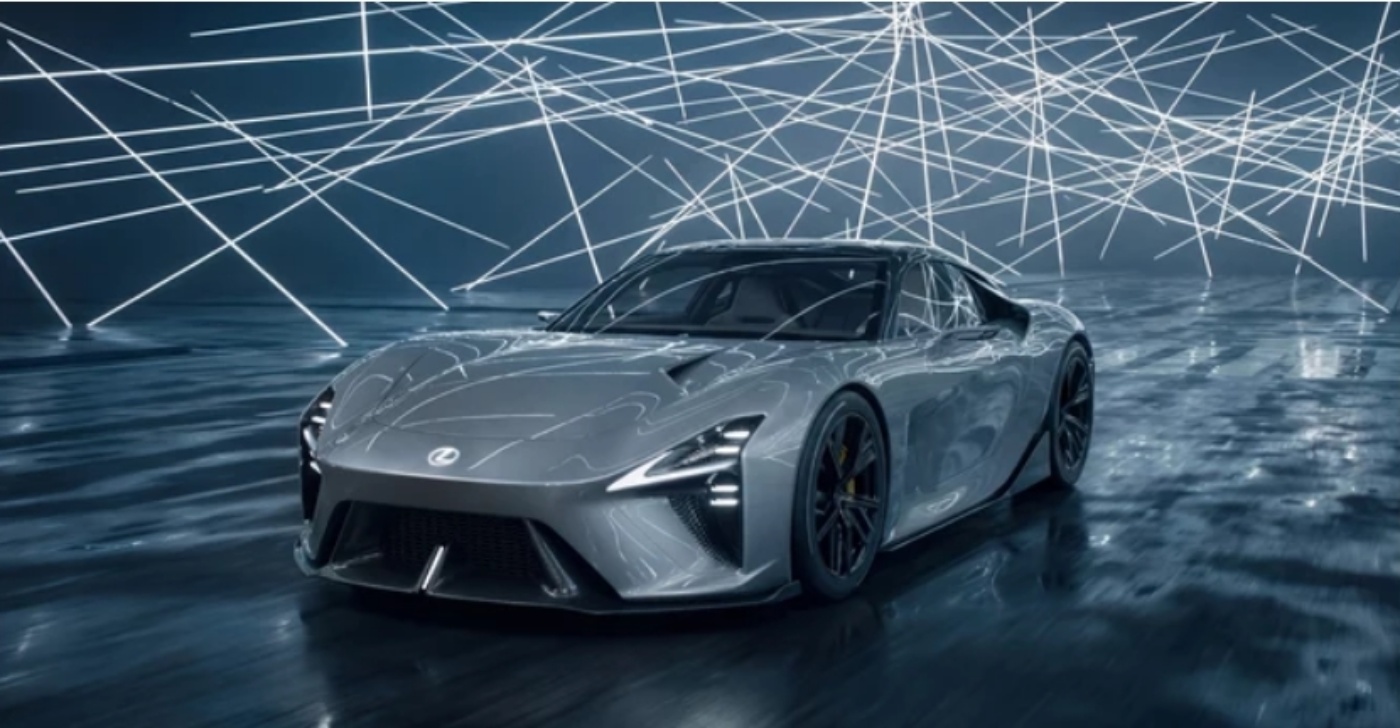
Lexus has unveiled the next generation of its legendary supercar as a battery-electric vehicle with the LFA Concept—though initially only as a design study. The concept is based on a lightweight all-aluminum frame, realized using elements from Toyota Gazoo Racing projects (including the GR GT and GR GT3). For this revival, Lexus emphasizes three central development goals: a low center of gravity, high body rigidity, and optimized aerodynamics—all crucial for driving dynamics and performance. Lexus has not yet released concrete technical details regarding the powertrain, such as battery capacity, motor output, or range.