








Weekly News
Hyundai, Kia, CeCaS, Fastned, Yasa, Webasto und mehr
Post from December 4, 2025
- IAA MOBILITY Weekly
- Hyundai, Kia, CeCaS, Fastned, Yasa, Webasto and more

Hyundai Motor Group is expanding its energy services for electric vehicles with Vehicle-to-Grid and Vehicle-to-Home capabilities; the CeCaS project has seen 28 partners from industry and research develop a central supercomputing platform for Level 3 to 5 highly automated vehicles; Fastned has won the bid to build France’s first dedicated EV-only service station; Yasa has unveiled a highly compact axial-flux in-wheel motor aiming to redefine the limits of traditional electric drives; Webasto has introduced an 800-volt thermal solution with its novel "Heated Chiller"; a real-world trial for inductive EV charging—wireless charging with coils rather than cables—has launched in Switzerland with the INLADE project; and Carly is working on a standardized pan-European battery diagnosis for electric and plug-in hybrid vehicles. These are our top stories for Week 49 of 2025.
Hyundai Motor Group is expanding its energy services for electric vehicles with Vehicle-to-Grid and Vehicle-to-Home capabilities; the CeCaS project has seen 28 partners from industry and research develop a central supercomputing platform for Level 3 to 5 highly automated vehicles; Fastned has won the bid to build France’s first dedicated EV-only service station; Yasa has unveiled a highly compact axial-flux in-wheel motor aiming to redefine the limits of traditional electric drives; Webasto has introduced an 800-volt thermal solution with its novel "Heated Chiller"; a real-world trial for inductive EV charging—wireless charging with coils rather than cables—has launched in Switzerland with the INLADE project; and Carly is working on a standardized pan-European battery diagnosis for electric and plug-in hybrid vehicles. These are our top stories for Week 49 of 2025.
- 1. Bidirectional Charging: Hyundai Motor Group Expands EV Energy Services with Vehicle-to-Grid and Vehicle-to-Home
- 2. CeCaS: Supercomputing Platform to Enable Highly Automated Vehicles
- 3. Fastned Builds France’s First EV-Only Service Station—The Charging Park of the "Future" at Major Highway Junction
- 4. Yasa Develops Axial-Flux In-Wheel Motor with Record Power Density
- 5. Swiss Pilot Project INLADE: Putting Wireless Charging to the Test in Everyday Life
- 6. Carly Works on Standardized Pan-European Battery Diagnostics for EVs and PHEVs
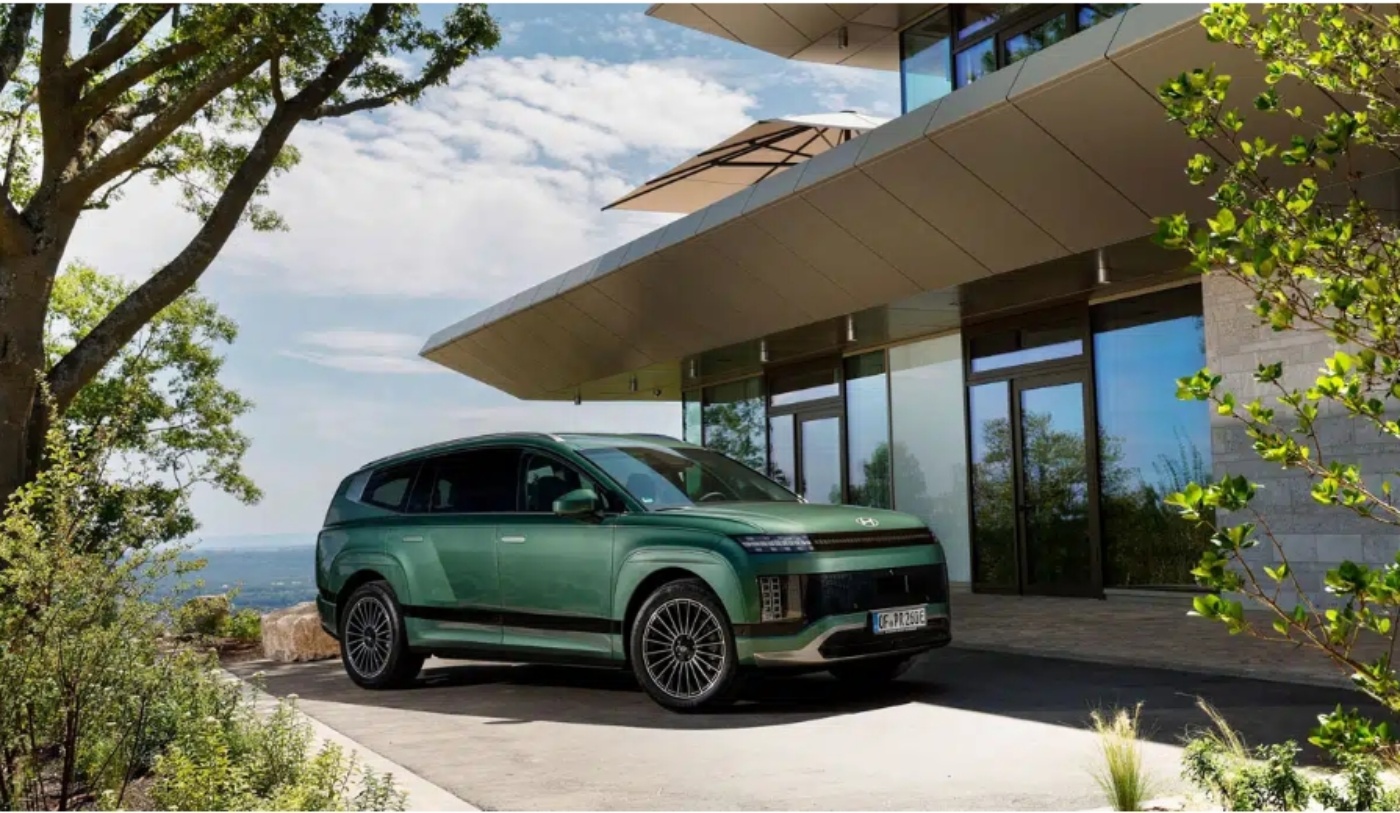
Hyundai Motor Group is pushing forward the rollout of bidirectional charging and energy services across multiple regions. In addition to V2G (Vehicle-to-Grid) in Korea and Europe, the company plans to offer V2H (Vehicle-to-Home) in the US soon. In Korea, the Group plans to launch a V2G pilot service on Jeju Island by the end of 2025 featuring models like the Hyundai Ioniq 9 and the Kia EV9. The goal: flexibly feed renewable energy surpluses back into the grid, mitigate peak grid loads, and lower prices through intelligent management. In Europe, a commercial V2G service is set to launch in the Netherlands at the end of 2025. Customers with compatible vehicles will be able to draw power when energy prices are low and feed excess energy back into the grid when necessary — facilitated by bidirectional charging infrastructure. Meanwhile, in the US, the Group is launching V2H services, opening the possibility for households to utilize EVs as energy storage — serving as backup power during outages or for self-supply when electricity prices are high.
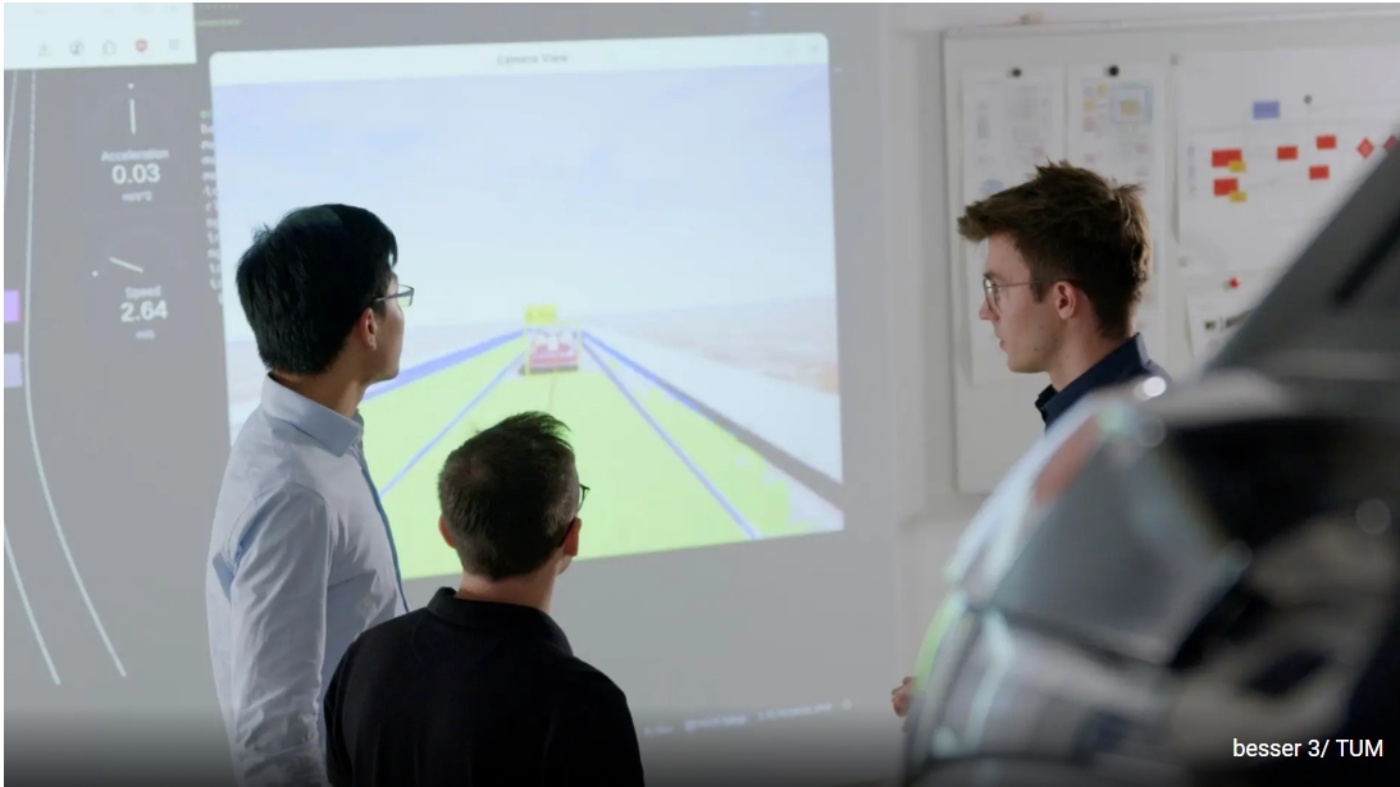
Under the leadership of Infineon Technologies, around 30 partners from industry and research have developed a groundbreaking new vehicle architecture through the CeCaS project: a central supercomputing platform for Level 3 to 5 highly automated vehicles. Partners include Volkswagen (via its IT subsidiary Cariad), Bosch, Continental, and ZF, alongside various research institutions such as several Fraunhofer Institutes and universities like the Technical University of Munich (TUM). The project’s goal was to develop a new architecture capable of analyzing and processing massive amounts of data in real-time to enable highly automated driving. This architecture allows for the evaluation of huge data volumes from onboard sensors (cameras, LiDAR, radar) and their combination with external data, such as infrastructure sensors. Together with project partners, researchers at TUM developed a suitable, purely software-based, centralized vehicle architecture that evaluates and utilizes this data ad hoc. Such an architecture is required for vehicle generations starting in 2033. Ideally, it will allow vehicles to navigate autonomously under widely varying conditions—including extreme weather or traffic situations. The CeCaS concept relies on highly programmable high-performance computers that are easy to install and can receive new functions via software updates. Using an ID.BUZZ provided by Cariad as a "functional prototype," the team was able to test real-world driving functions in traffic. Additionally, a digital twin of the vehicle allows scenarios to be simulated and then tested live on the test bench.
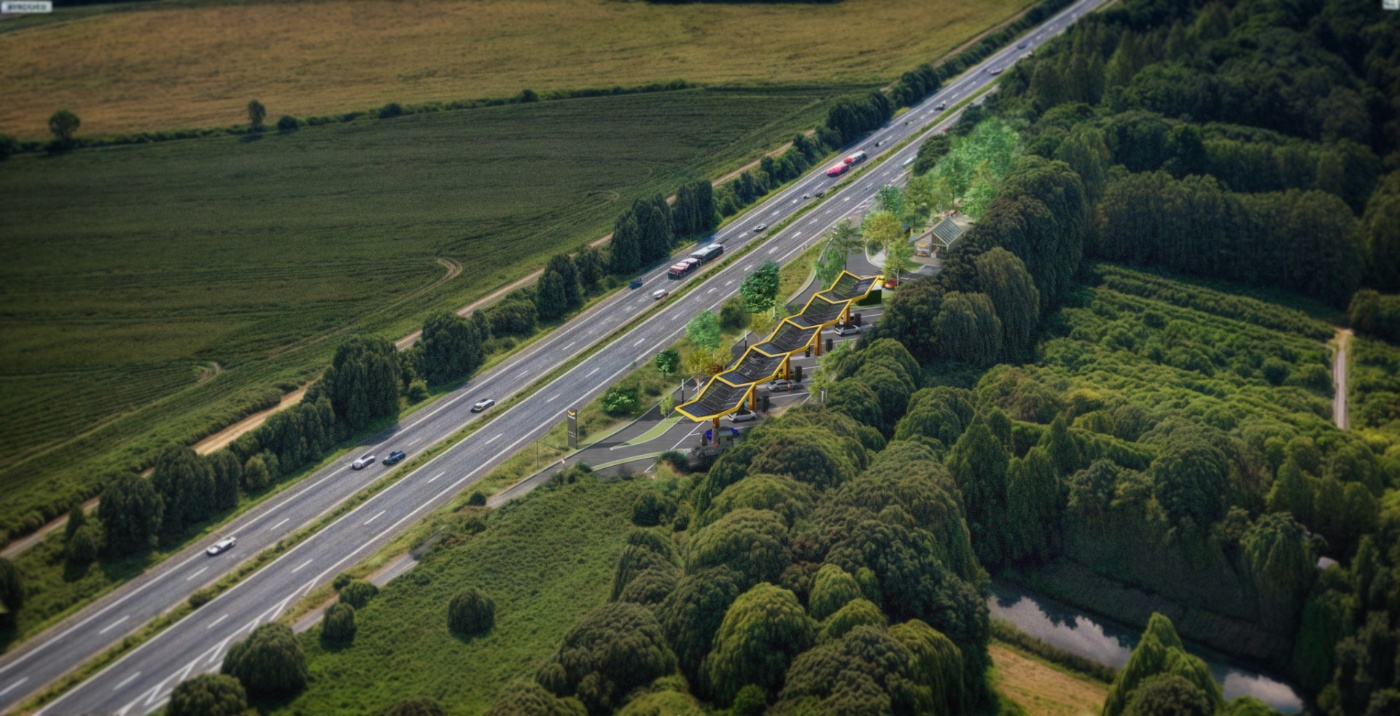
Charging infrastructure specialist Fastned has won the contract to build France's first rest stop designed exclusively for electric vehicles. This new "service station of the future" will be built in St. Yvi, Brittany, on the busy National Road 165—a route used by over 28,000 vehicles daily. Plans include six charging points, including connectors for heavy-duty electric vehicles with fast-charging capabilities (400 kW each). The facility is to be powered entirely by renewable electricity. However, the site is designed to be much more than just a charging station: Fastned envisions it as a "destination" for travelers who want to relax, eat, or drink while charging—featuring comfort amenities, dining options, and a quiet area.
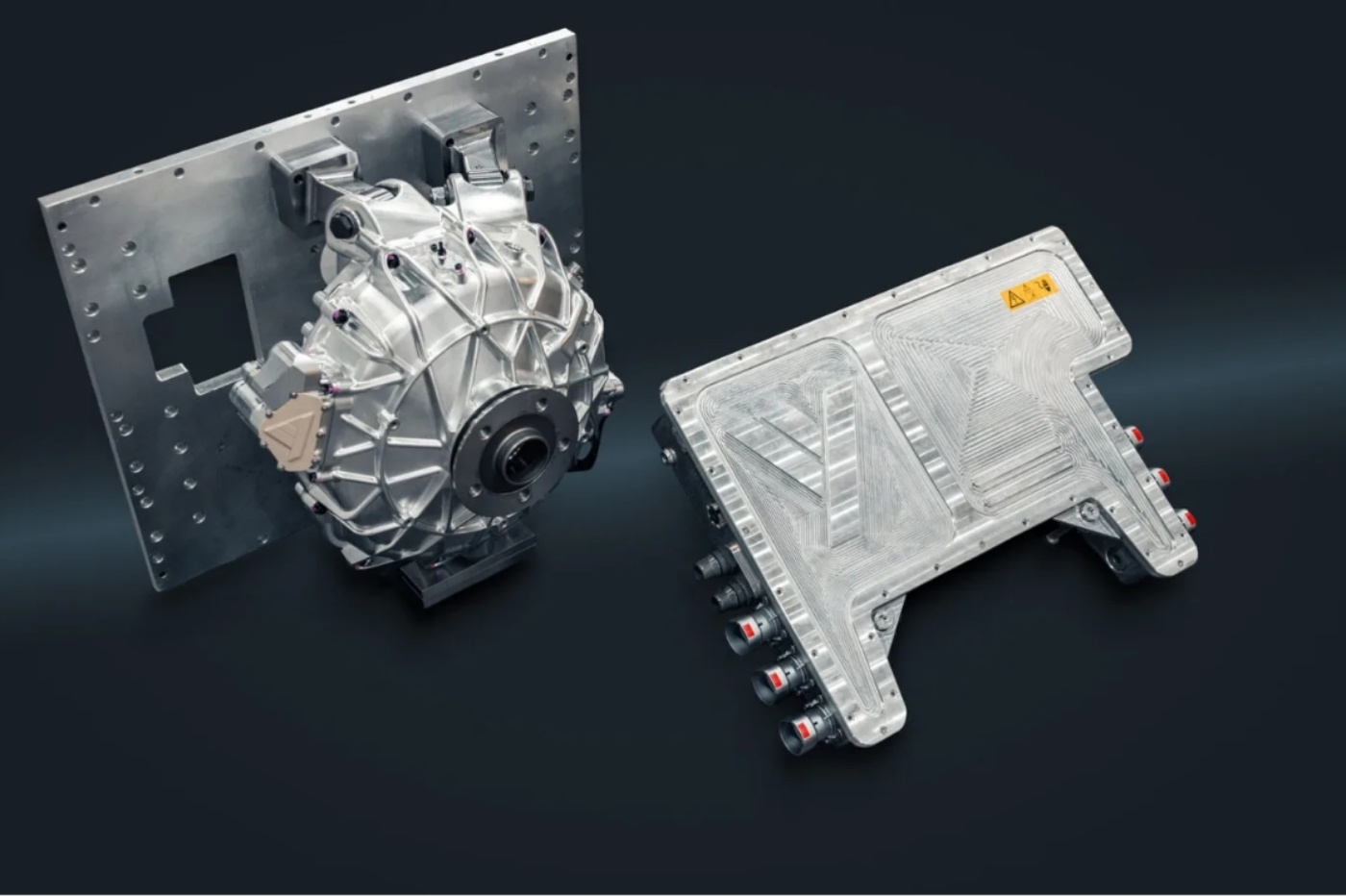
British electric motor specialist Yasa has introduced a highly compact axial-flux in-wheel motor intended to redefine the boundaries of classic electric drives. The new motor design is designed to deliver a peak output of up to 750 kW and continuous power in the range of 350 to 400 kW, making it suitable for even the most demanding applications. At the core of the innovation is the axially aligned magnetic flux, which allows for significantly higher power density. The motor is reported to weigh just 12.7 kg (approx. 28 lbs), which, combined with its output, results in an impressive power density of 59 kW/kg. Yasa is pairing this motor with a new inverter that also claims a high-power density of 100 kW/kg.
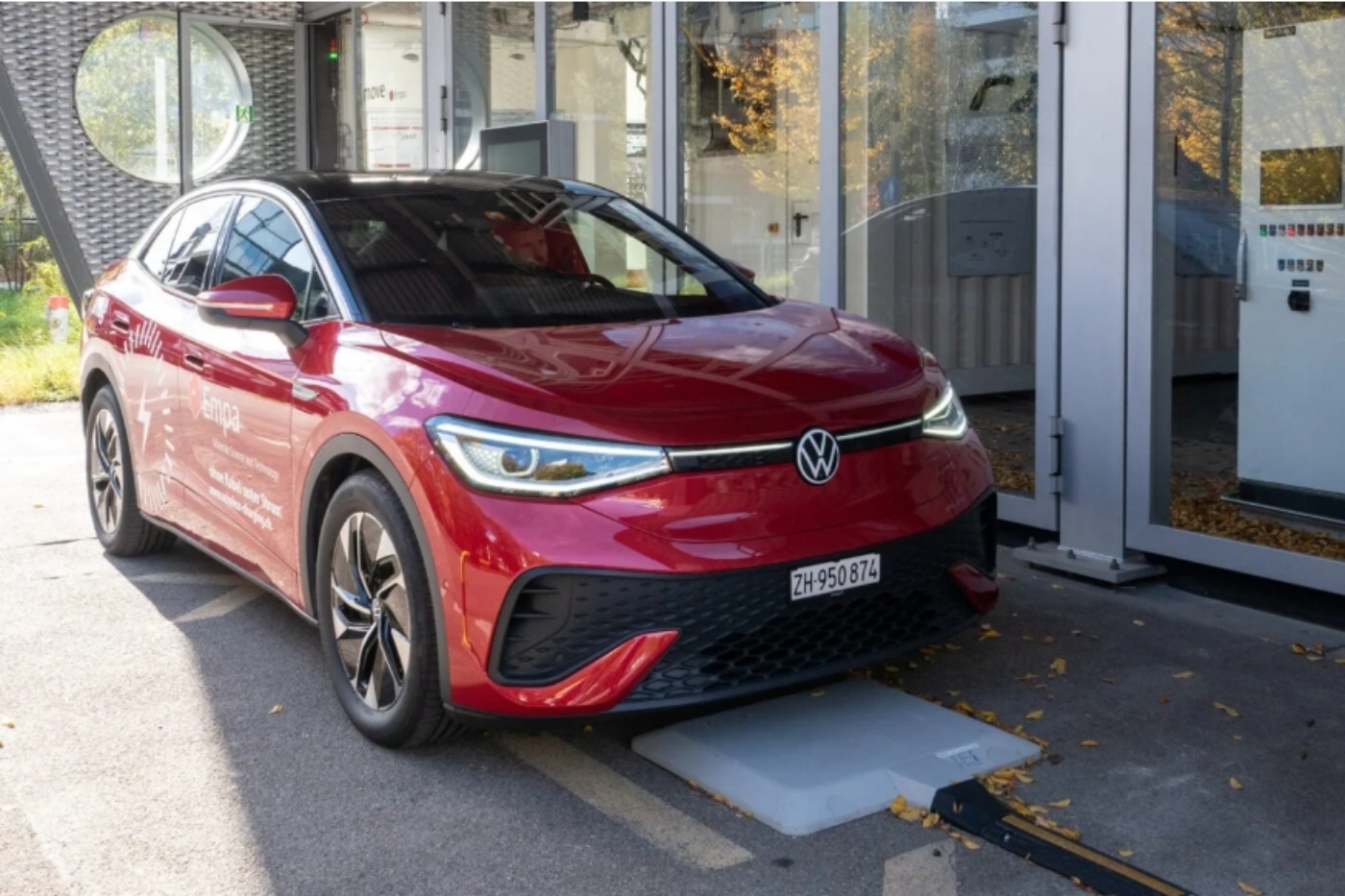
In Switzerland, the INLADE project has launched a field trial for inductive charging of electric cars—wireless charging via a coil instead of a classic charging cable. Project partners, including the AMAG Group, retrofitted vehicles (installing receiver coils in the underbody, among other modifications), integrated interfaces for charging and high-voltage systems, and obtained individual road approval following successful safety and EMC tests. The charging station is based on a solution from provider WiTricity. During the test, a screen helped position the car exactly over the ground plate—in the future, a parking assistant is expected to take over this task. Once the vehicle is correctly positioned, the system checks for objects or people between the coils before automatically starting the charging process. Efficiency was also analyzed — under real-world conditions involving rain, snow, and temperature fluctuations, the system demonstrated an efficiency of around 90%, comparable to cable charging, albeit with slightly higher losses. A key advantage: according to researchers, the inductive system can also enable bidirectional charging, meaning EVs could not only draw energy but also feed it back into the grid when needed.
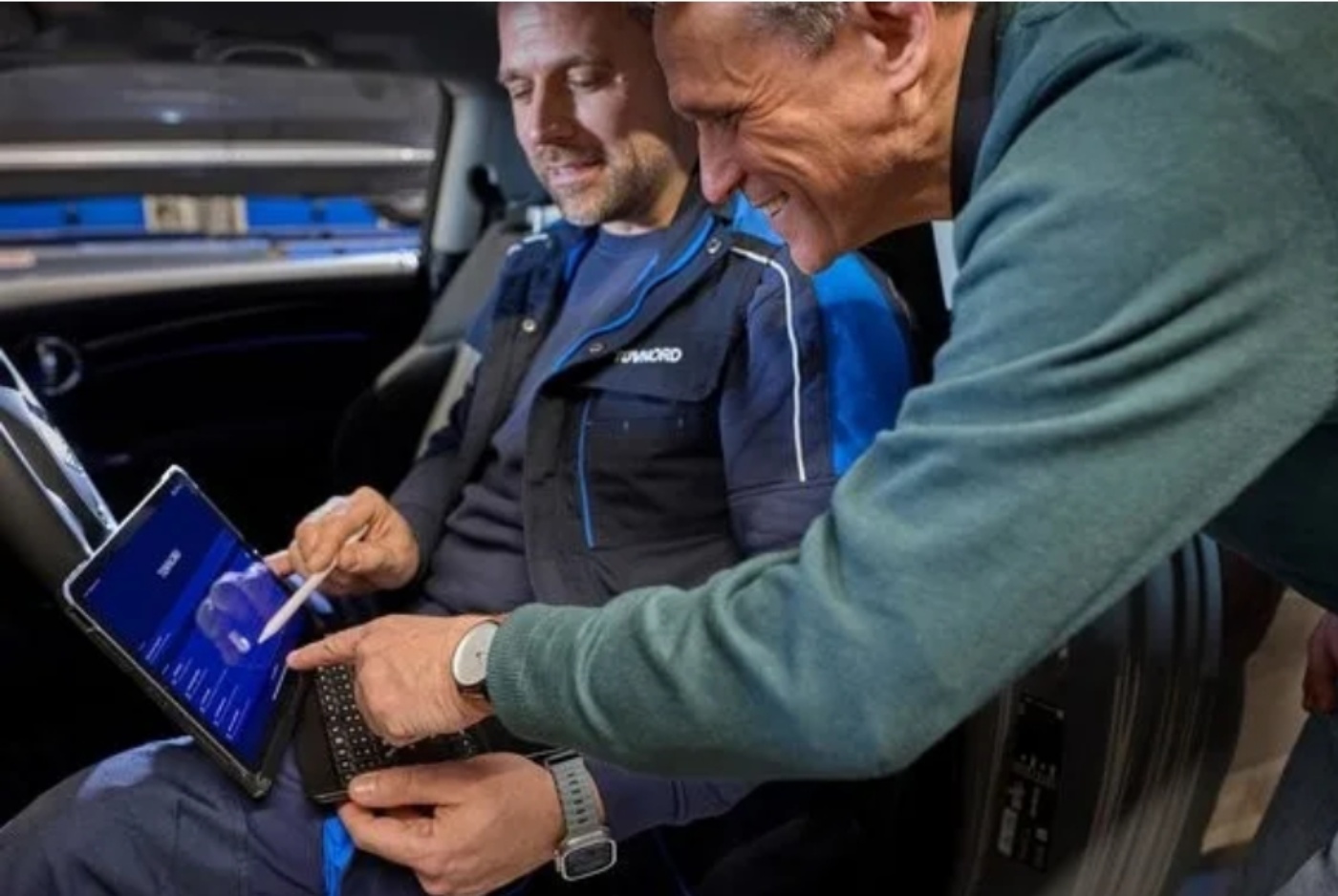
Munich-based company Carly is partnering with testing and certification provider TÜV Nord to offer standardized battery diagnostics for electric and plug-in hybrid vehicles across Europe. The new "State-of-Health (SoH)" check evaluates the aging status of a high-voltage battery compared to its condition when new. Users can access the procedure immediately via the "TÜV Nord Onboard Car Diagnosis" app or at one of over 200 TÜV Nord stations across Germany. The test is designed to take just a few minutes: battery data is read out automatically via the OBD interface and compared with reference values. The result is then generated in a report complete with a score and color-coded rating.