








IAA MOBILITY Weekly
The mobility highlights of week 29/2026
Volkswagen, UNECE, Uni Kiel
- IAA MOBILITY Weekly
- 29/2026

Volkswagen introduces the ID. Cross as its new electric compact SUV; the UNECE adopts the world's first regulatory framework for fully autonomous vehicles; and researchers from Kiel develop a "talking battery" for smarter battery management—here are our top stories for week 29 of 2026.
Volkswagen introduces the ID. Cross as its new electric compact SUV; the UNECE adopts the world's first regulatory framework for fully autonomous vehicles; and researchers from Kiel develop a "talking battery" for smarter battery management—here are our top stories for week 29 of 2026.
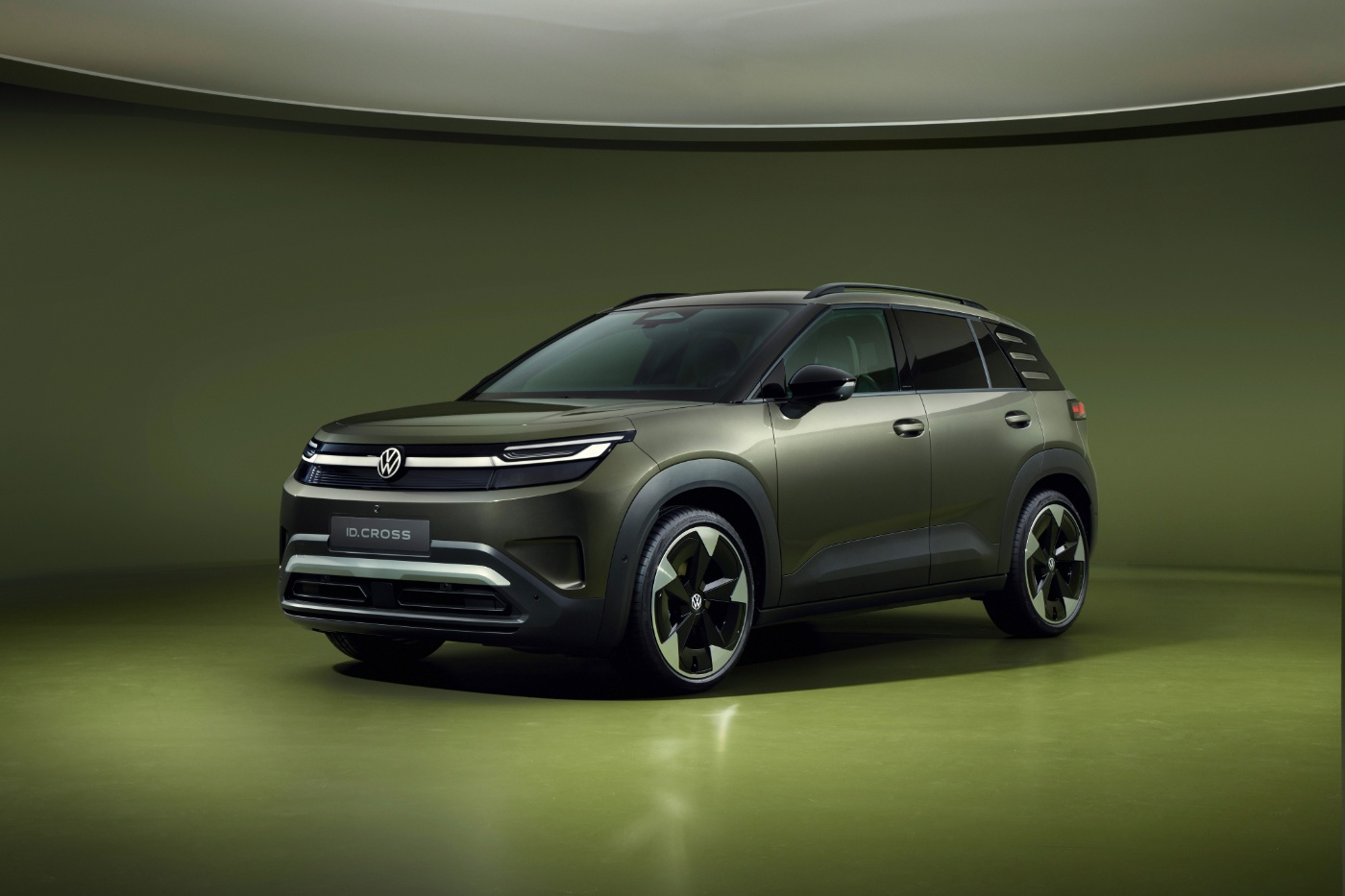
Volkswagen is expanding its electric vehicle lineup with the ID. Cross, a new all-electric compact SUV built on the MEB+ platform. Measuring 4.15 meters in length, the model offers a spacious interior, a generous 475-liter trunk, and an additional 25-liter frunk (front trunk). The interior features a digital cockpit, a 12.9-inch infotainment display, and high-quality materials.
At launch, three output levels with 85 kW (116 HP), 99 kW (135 HP) and 155 kW (211 HP), as well as two battery sizes (37 kWh and 52 kWh, respectively) will be available. The maximum range is up to 427 kilometers (approx. 265 miles). AC charging capacity at home wallboxes and public charging stations is 11 kW. The smaller battery can be charged from 10 to 80 percent in about 23 minutes at DC fast-charging stations with up to 90 kW. For the larger 52 kWh version, charging from 10 to 80 percent takes around 24 minutes at up to 105 kW—featuring a particularly stable charging curve.
The ID. Cross also inherits numerous comfort and driver-assistance systems from higher-end vehicle classes. These include Connected Travel Assist with traffic light recognition, one-pedal driving, Park Assist Pro, a 360-degree camera, and options like adaptive DCC suspension, massaging seats, a Harman Kardon sound system, a panoramic roof, and vehicle-to-load (V2L) capability. Equipped with the larger battery, the vehicle has a towing capacity of up to 2,645 pounds (1,200 kilograms).
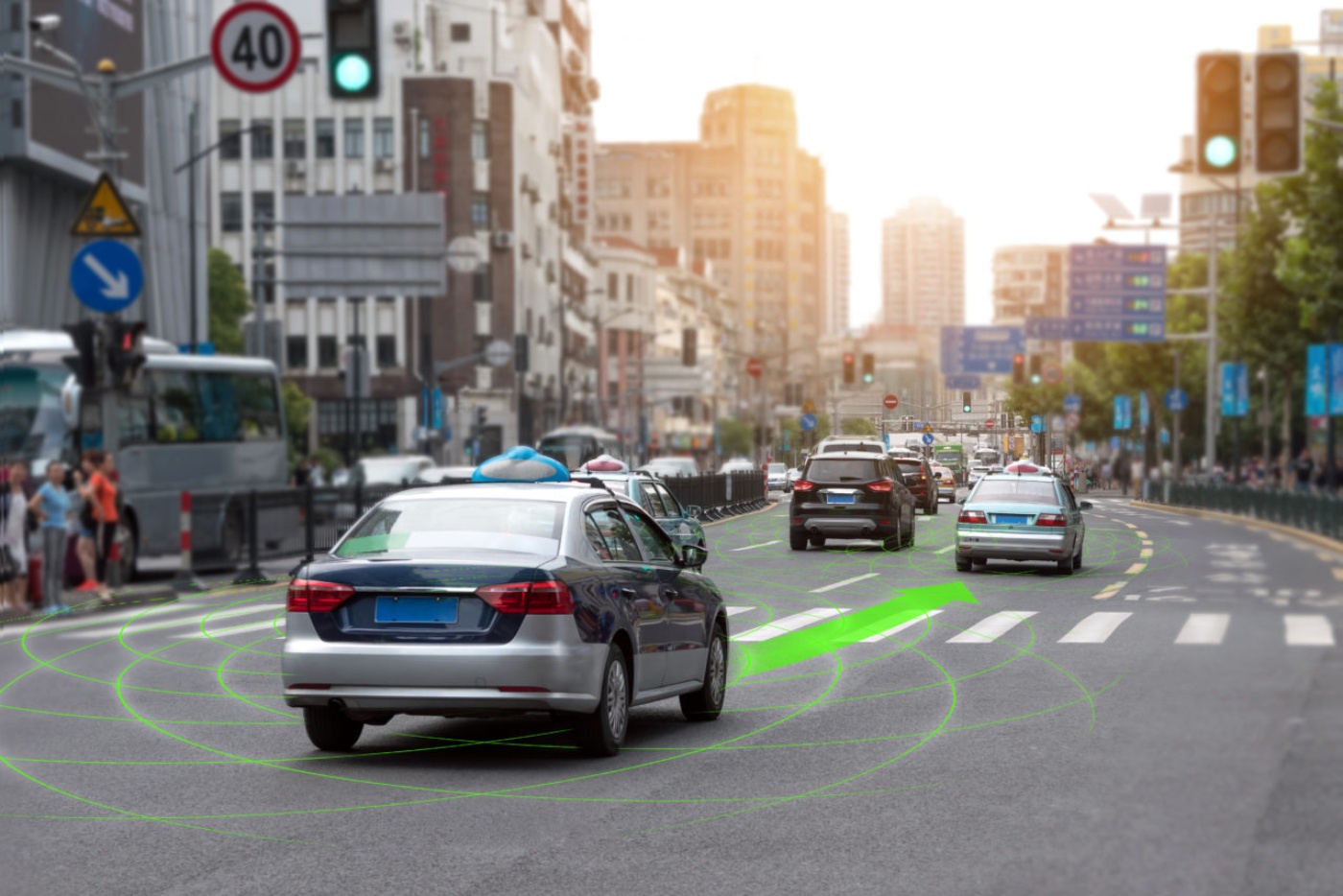
The United Nations Economic Commission for Europe (UNECE) has adopted the world's first international regulatory framework for fully autonomous vehicles. This new regulation establishes uniform safety standards for Automated Driving Systems (ADS) and is designed to accelerate their international approval and market launch.
At the core of the framework are a harmonized approval process, a safety-case approach, and a comprehensive safety management system. Manufacturers are required to prove that their systems achieve a safety level at least equivalent to that of a competent human driver and that they are continuously monitored. Additionally, the regulation mandates testing across simulations, test tracks, and real-world traffic, as well as the storage of safety-relevant vehicle data.
Designed to be technology-neutral, this legal framework aims to enable the deployment of autonomous vehicles in a wide range of use cases—from highway driving to urban environments.
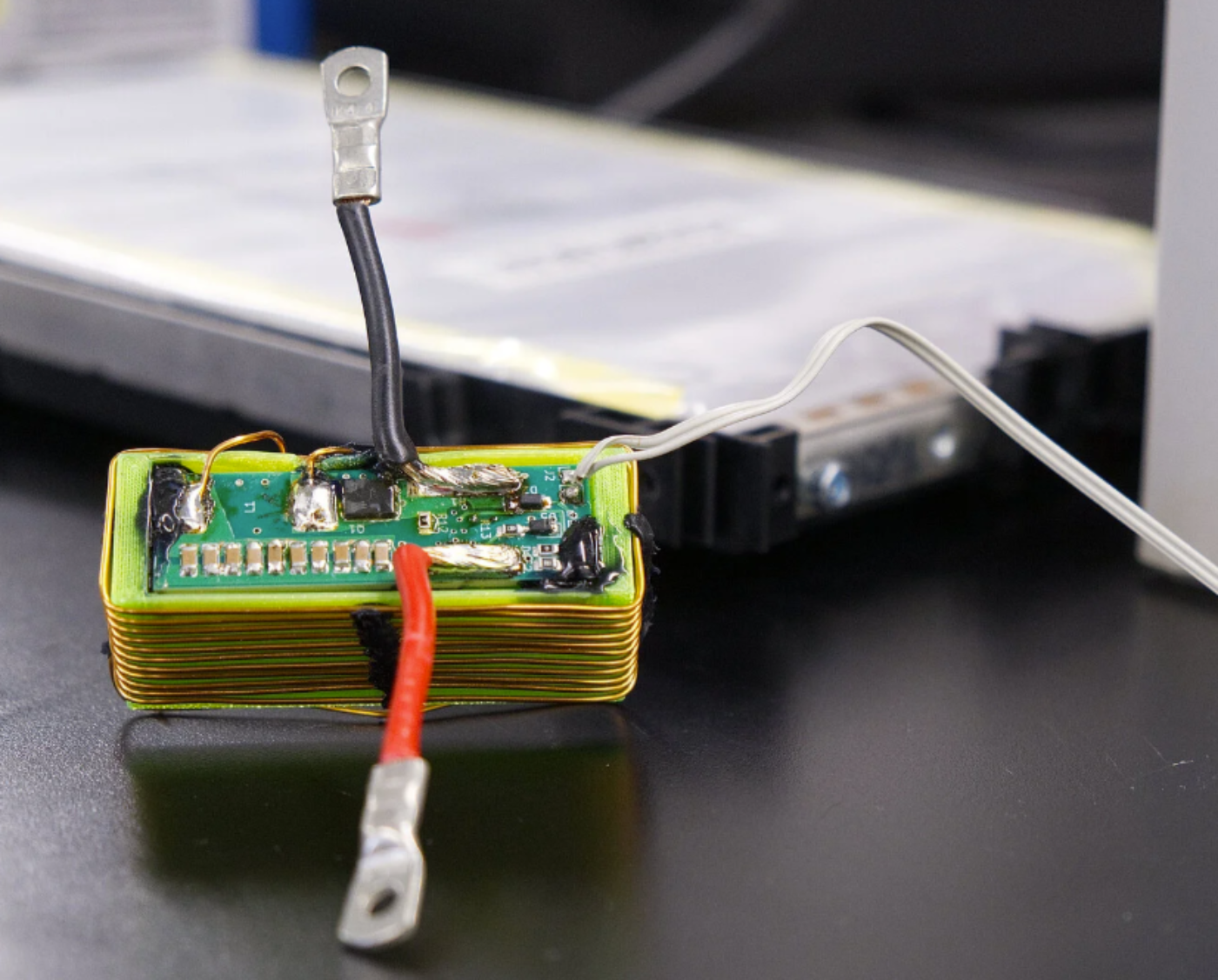
Researchers at Kiel University (CAU) have developed a new communication system that connects sensors inside a battery cell to the battery management system without the need for additional data cables. Dubbed the "talking battery," the system transmits measurement data directly through the existing power lines, making battery management systems simpler, more cost-effective, and more secure.
An integrated circuit within the battery cell converts temperature readings into digital signals and transmits them via the charging and discharging terminals. Compared to conventional setups that rely on separate sensor lines, this approach could cut costs by roughly 35 percent.
In the long run, this concept is intended to enable continuous monitoring of cell health and could easily be adapted for other sensors, such as pressure or gas sensors. The researchers see potential applications in electric vehicles, stationary energy storage systems, and home energy storage units.