








IAA MOBILITY Weekly
Mobility Highlights of the Week 13, 2026
Mercedes-Benz, Polestar, Fraunhofer, MG Motor, Lemmo, Specialized
- IAA MOBILITY Weekly
- 13/2026

A massive update for the Mercedes-Benz S-Class, Polestar’s push for battery circularity, a high-efficiency megawatt charging system from Fraunhofer’s “HV-MELA-BAT” project, MG Motor’s new Frankfurt Engineering Centre and “SolidCore” battery, and two major e-bike reveals from Lemmo and Specialized—these are our top stories for week 13, 2026.
A massive update for the Mercedes-Benz S-Class, Polestar’s push for battery circularity, a high-efficiency megawatt charging system from Fraunhofer’s “HV-MELA-BAT” project, MG Motor’s new Frankfurt Engineering Centre and “SolidCore” battery, and two major e-bike reveals from Lemmo and Specialized—these are our top stories for week 13, 2026.
- 1. Mercedes-Benz S-Class Receives Comprehensive Flagship Update
- 2. Polestar Advances Battery Circularity: 50% Recycled Cobalt
- 3. "HV-MELA-BAT" Project Develops High-Efficiency Charging
- 4. MG Motor Unveils "SolidCore" Battery and New Engineering Centre
- 5. New E-Bike Innovations: AI Shifting and High-Performance Trail Power
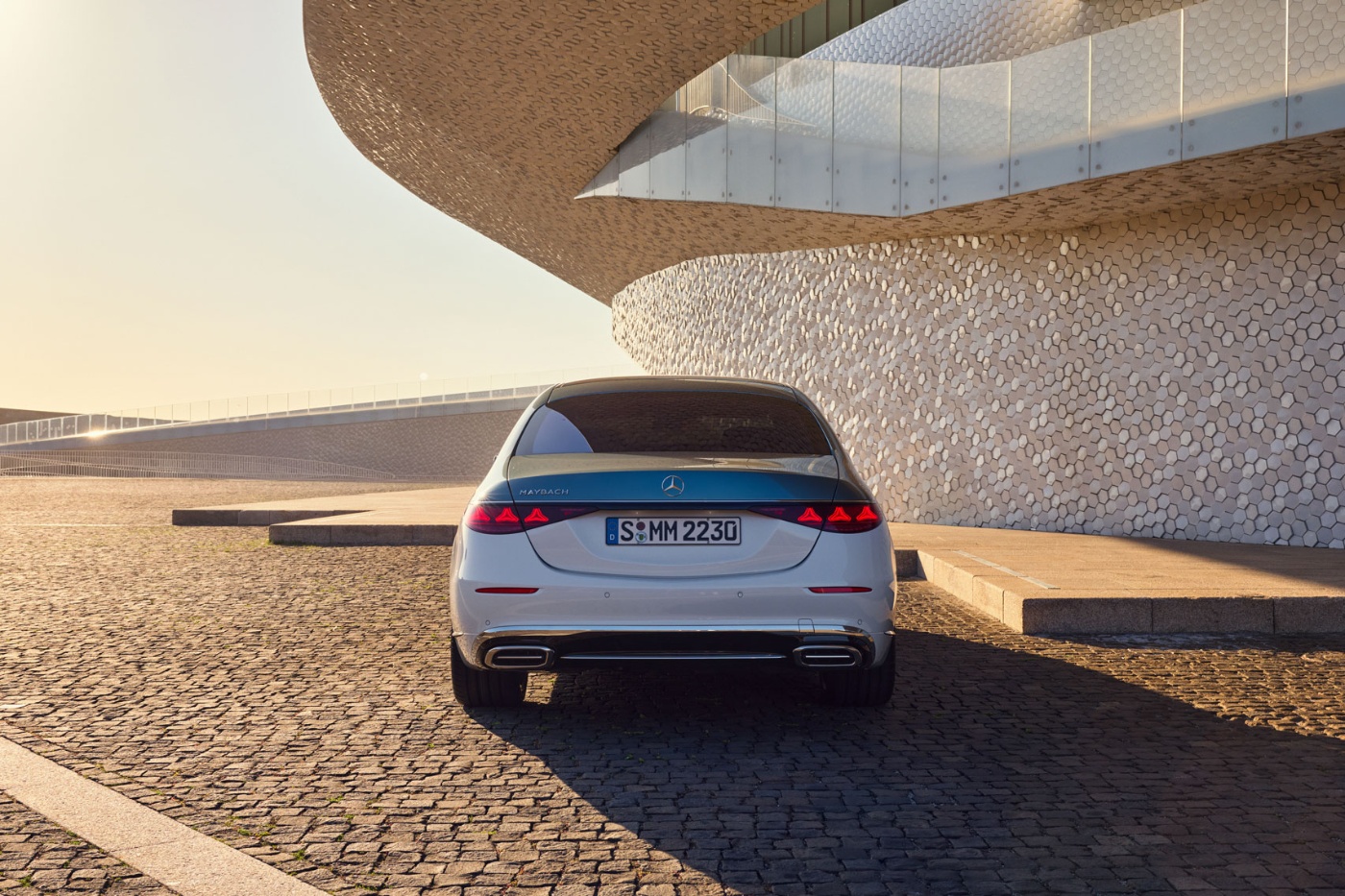
Mercedes-Benz has unveiled what it calls the most extensive update in the history of the current S-Class generation, with over 50 percent of all components newly developed or refined. Visually, the flagship gains a more commanding presence through a 20 percent larger illuminated radiator grille and new DIGITAL LIGHT headlights offering a high-beam range of up to 1,970 feet (600 meters).
Technologically, the focus shifts to the new Mercedes-Benz Operating System (MB.OS) and AI integration. The digital experience is defined by over-the-air updates, the MBUX Superscreen, and Google-based navigation. Advanced sensor hardware provides the foundation for next-generation driving and parking systems, aimed at seamless automation in urban traffic. Inside, the "executive lounge" feel is enhanced by an optional First-Class rear suite with large displays and integrated video conferencing. The powertrain lineup ranges from electrified six- and eight-cylinder engines to plug-in hybrids with an electric range of approximately 62 miles (100 km).
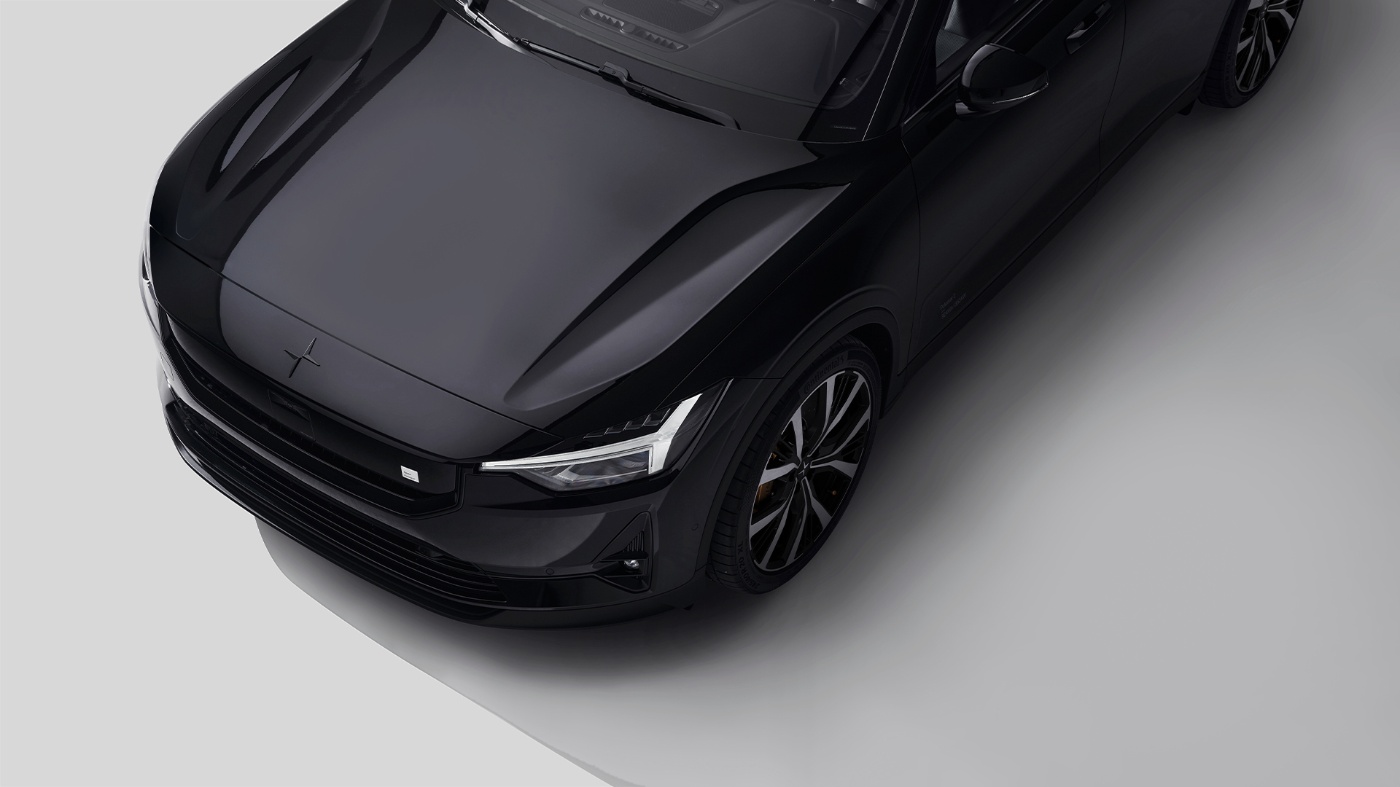
Polestar is accelerating its circular economy efforts, announcing that batteries for the Polestar 2 and Polestar 3 now utilize at least 50 percent recycled cobalt. This initiative aims to reduce dependency on primary raw materials and strengthen closed-loop material cycles. Beyond using recycled content, Polestar is focusing on the refurbishment and reuse of batteries in collaboration with Volvo Cars and global recycling partners. The strategy covers the entire lifecycle, including extended battery use, second-life applications, and the use of resource-saving materials like recycled aluminum and steel.
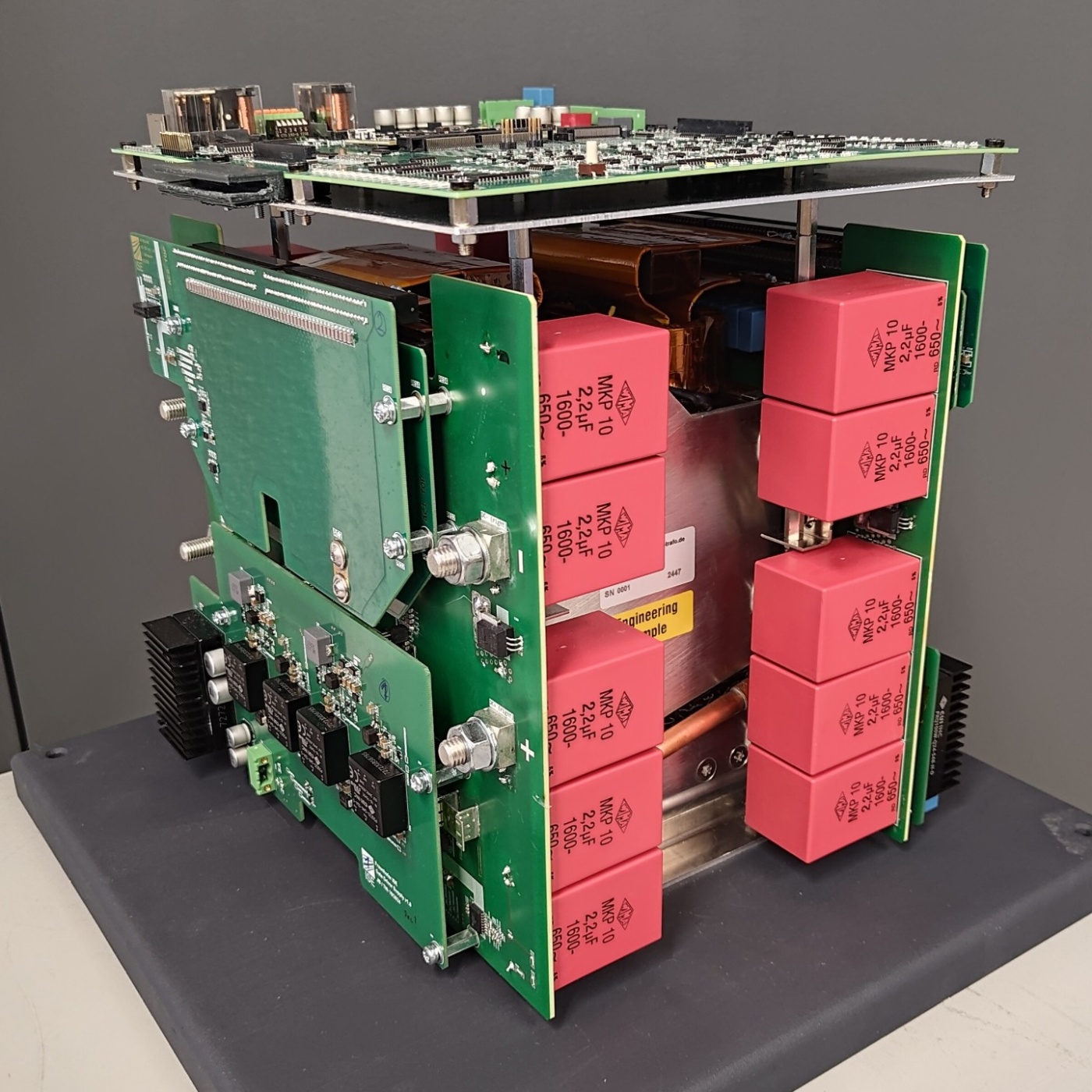
The research project "HV-MELA-BAT," led by Fraunhofer ISE, has developed a high-efficiency Megawatt Charging System (MCS) for heavy-duty electric vehicles and buses. A central feature of the solution is an integrated buffer storage system using second-life batteries, which allows for charging capacities exceeding 1 MW even when the grid connection is limited to 500 kW. Technologically, the system sets new benchmarks with a DC/DC converter reaching 99.26 percent efficiency and a power density of 9 kW/l. The modular design also enables the integration of renewable energy and the simultaneous operation of multiple charging points.
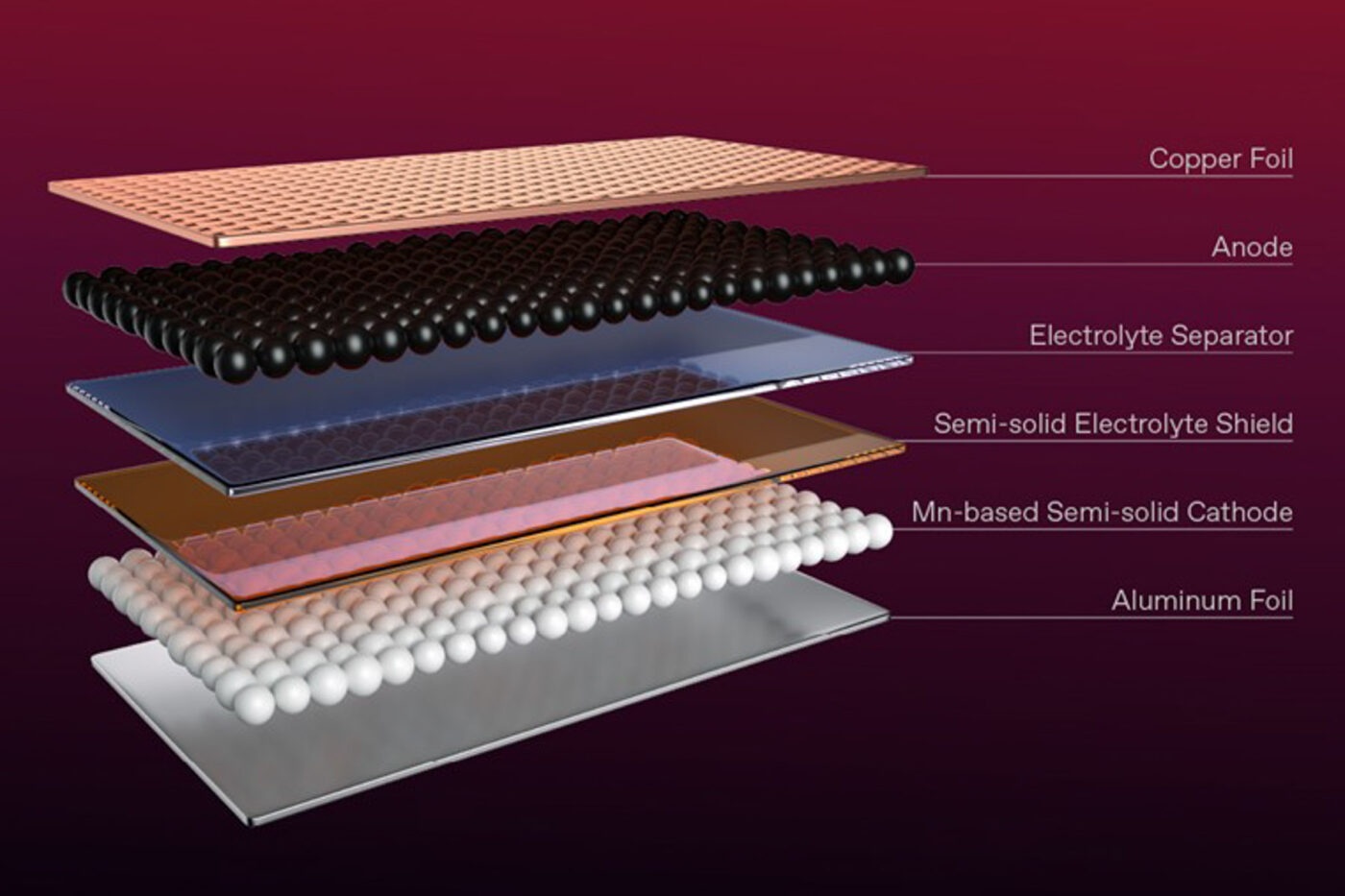
MG Motor is accelerating its electrification strategy with the opening of a new Engineering Centre in Frankfurt to spearhead European model development. Alongside the new facility, MG introduced "SolidCore," the world’s first mass-produced semi-solid-state battery. This technology uses solid electrolytes for enhanced safety, longer service life, and superior performance in cold temperatures. The first models featuring SolidCore technology are expected in Europe by late 2026. Additionally, MG is expanding its hybrid lineup with Hybrid+ technology, featuring a larger battery and a segment-unique 3-speed hybrid transmission for improved efficiency and comfort.
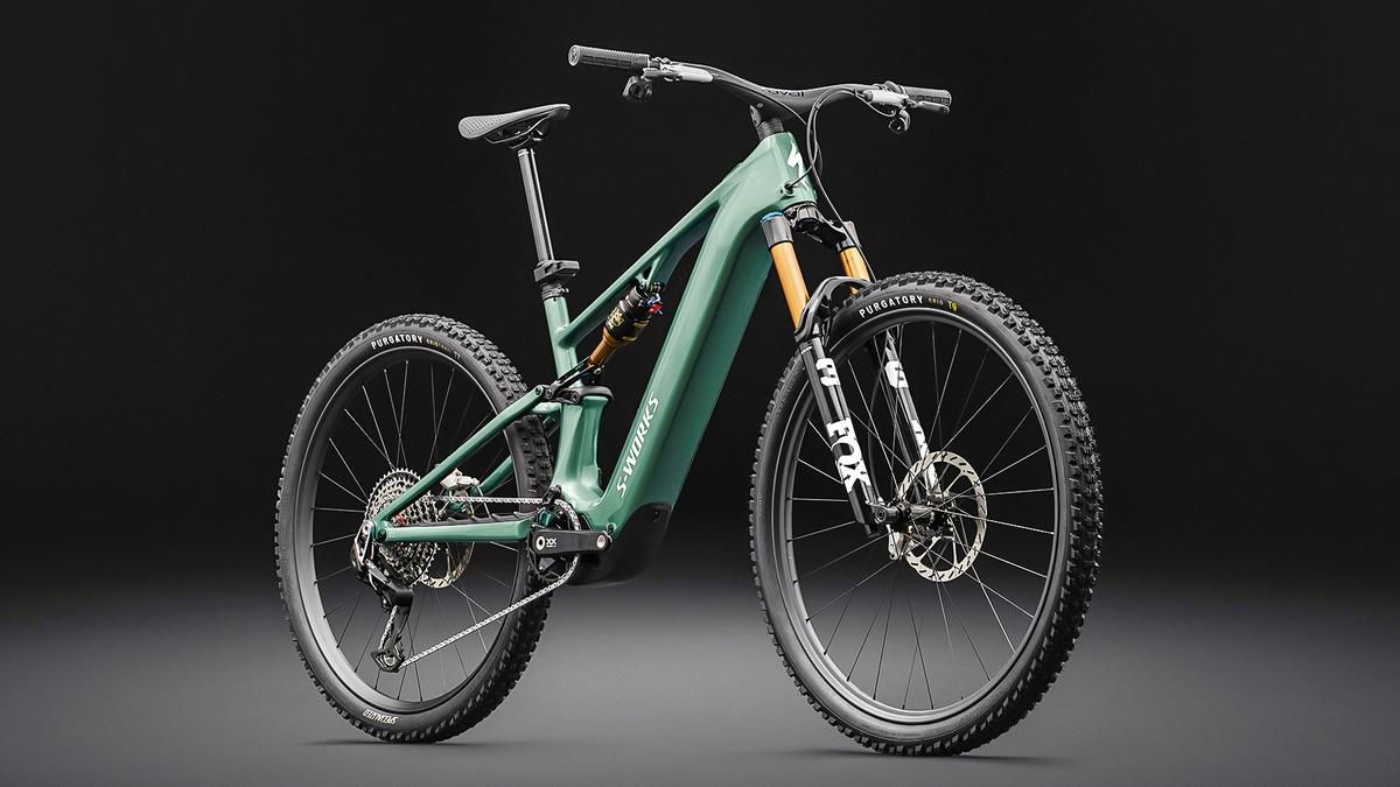
In the e-bike sector, Lemmo and Specialized are highlighting two distinct trends: automation and raw performance. Lemmo’s new One Collab.Ride introduces an AI-powered 9-speed automatic transmission that adjusts to the rider’s style in real-time. It features a lightweight 40 lb (18 kg) frame, a 38 lb-ft (52 Nm) hub motor, and a 530-Wh battery.
Specialized, meanwhile, targets the high-performance segment with the Turbo Levo R Alloy. Its 3.1 drive system delivers a massive 810 watts and 77 lb-ft (105 Nm) of torque, paired with a large 840-Wh battery. By using an aluminum frame, Specialized offers a more accessible price point for a high-power trail bike that features 140 mm of front and 130 mm of rear travel.