








IAA MOBILITY Weekly
Mobility Highlights of the Week 12, 2026
BMW, Audi, Nvidia, Volkswagen, XPeng, Damen
- IAA MOBILITY Weekly
- 12/2026

BMW unveils the i3 as the second "Neue Klasse" model, Audi announces the A2 e-tron as its new all-electric entry point, Nvidia massively expands its global autonomous driving partner network, Volkswagen and XPeng launch series production of their first joint EV, and Damen Shipyards presents its first fully electric ferry, the Waterbus 2907 Electric. These are the top headlines for Week 12, 2026.
BMW unveils the i3 as the second "Neue Klasse" model, Audi announces the A2 e-tron as its new all-electric entry point, Nvidia massively expands its global autonomous driving partner network, Volkswagen and XPeng launch series production of their first joint EV, and Damen Shipyards presents its first fully electric ferry, the Waterbus 2907 Electric. These are the top headlines for Week 12, 2026.
- 1. BMW Introduces the i3: The Second "Neue Klasse" Model
- 2. Audi Announces A2 e-tron as New All-Electric Entry-Level Model
- 3. Nvidia Massively Expands Global Autonomous Driving Partner Network
- 4. Volkswagen and XPeng Start Series Production of First Joint EV
- 5. Damen Shipyards Presents First Fully Electric Waterbus 2907 Ferry
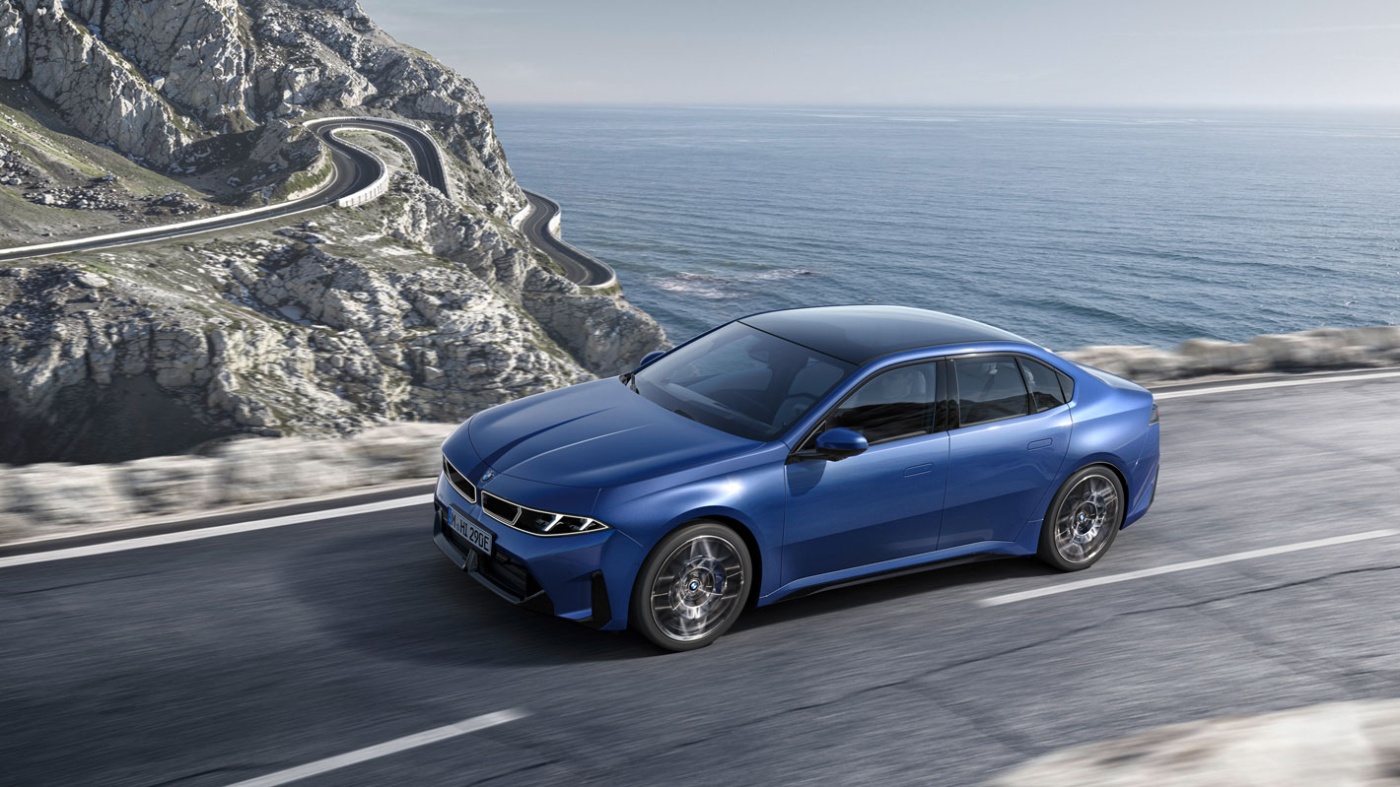
BMW has revealed the BMW i3, the second representative of its "Neue Klasse" (New Class) generation. This all-electric 3 Series launches as the i3 50 xDrive, featuring dual electric motors, a system output of 469 hp (345 kW), and 475 lb-ft (645 Nm) of torque.
Technologically, the model is based on sixth-generation BMW eDrive technology with an 800-volt architecture and new cylindrical battery cells. These innovations enable a range of up to 560 miles (900 km) and DC fast-charging speeds of up to 400 kW—enough to add roughly 250 miles of range in just ten minutes.
The heart of the new software and electronics architecture is the "Heart of Joy" high-performance computer, which works alongside other "superbrains" to significantly advance the driving experience and automated features. This is complemented by the new Panoramic iDrive and bidirectional charging capabilities, such as Vehicle-to-Home (V2H) and Vehicle-to-Grid (V2G). Production begins in August 2026 at the Munich plant, with the market launch scheduled for fall 2026.
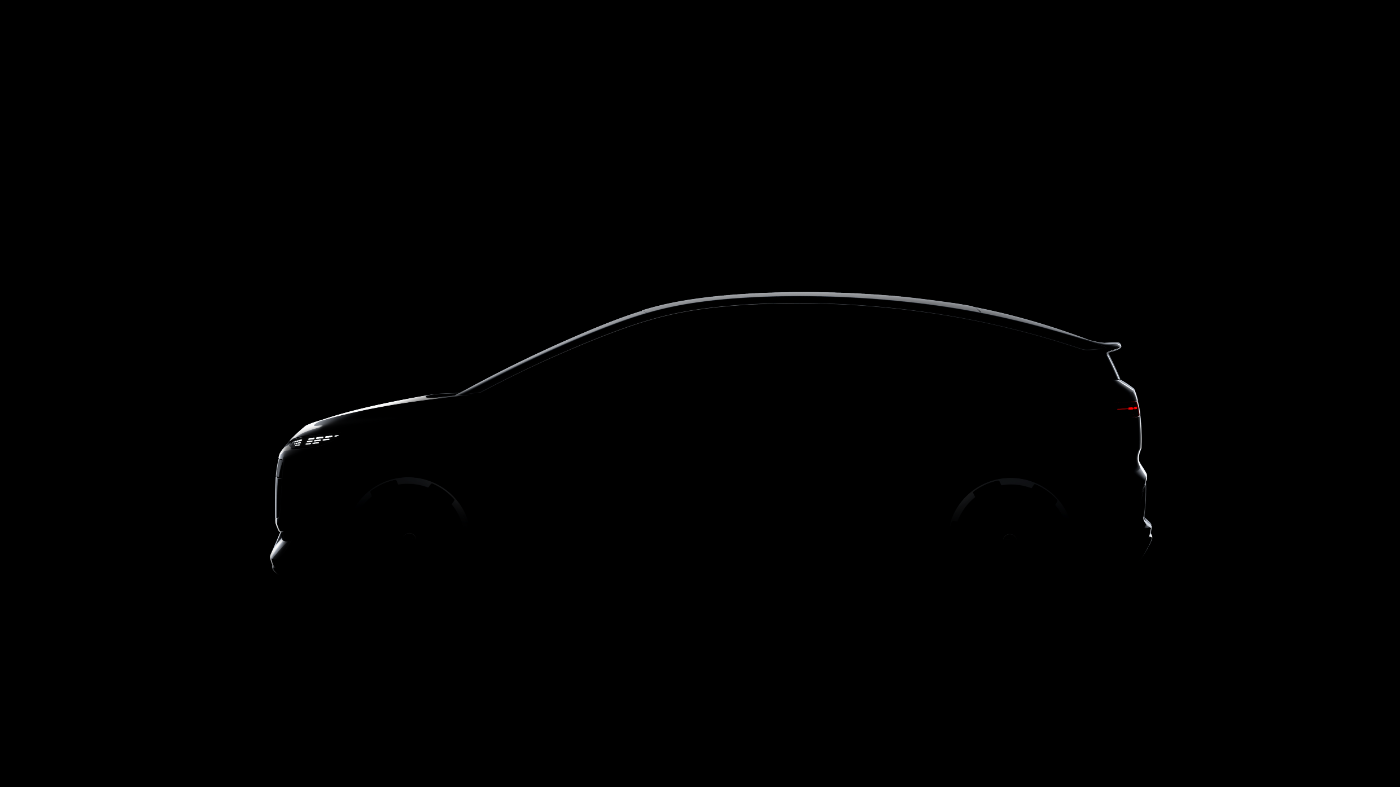
Audi has officially announced the A2 e-tron as its new entry-level EV and released initial design sketches. The world premiere is set for fall 2026.
Positioned below the Q4 e-tron, the model specifically targets urban customers who demand efficiency, sustainability, and digital connectivity. Audi aims to broaden access to premium electric mobility with this compact offering tailored for city traffic. Production is slated for Audi's headquarters in Ingolstadt. With the A2 e-tron, Audi is rounding out its portfolio at the compact end, while the upcoming Q9 will expand the luxury segment.
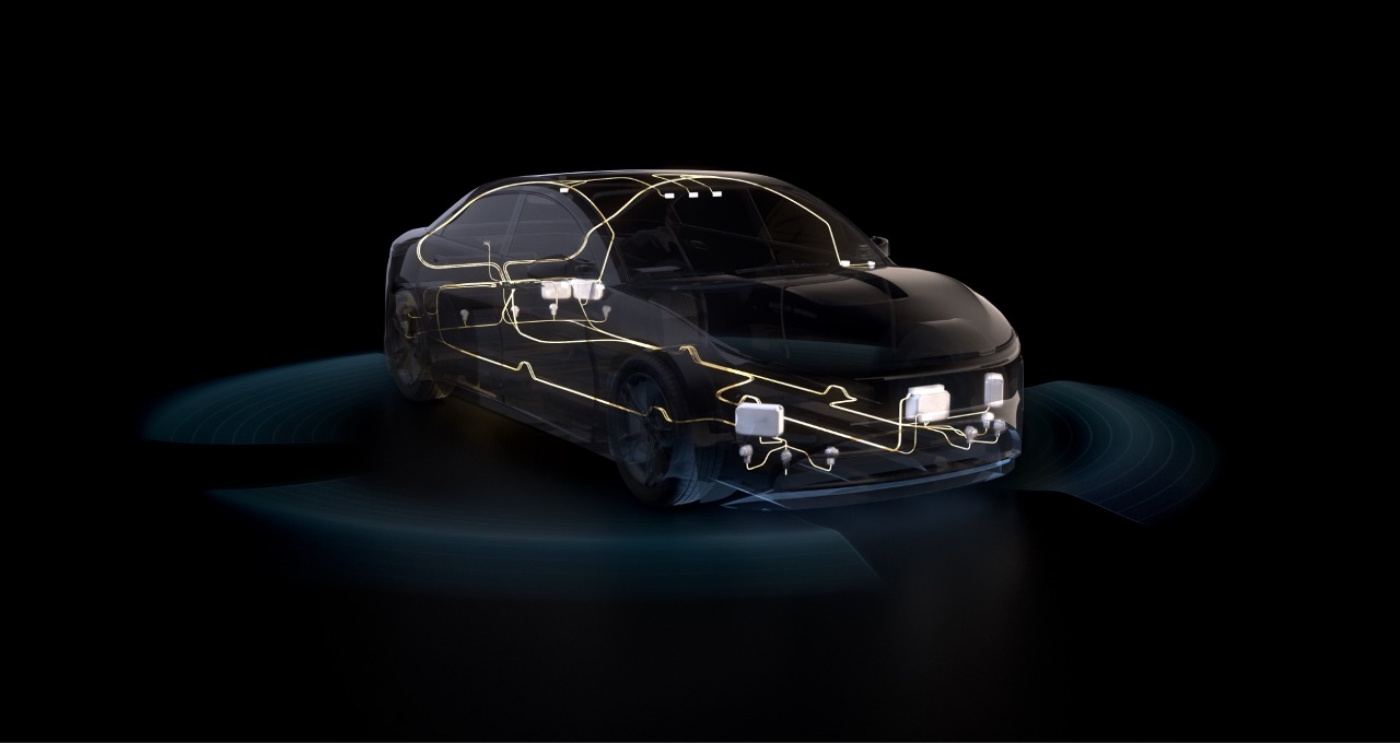
Nvidia is significantly growing its global partner ecosystem for autonomous driving, positioning itself as the central platform for Level 4 mobility.
Several manufacturers—including BYD, Geely, and Nissan—plan to launch autonomous vehicles based on NVIDIA Drive Hyperion. Meanwhile, Isuzu and the startup Tier IV are developing Level 4 buses using the Drive AGX Thor SoC. Existing partnerships are also deepening: Hyundai and Kia plan to use Nvidia technology starting at the Level 2 driver assistance stage, while the robotaxi joint venture Motional is expanding its collaboration to further develop Level 4 services.
In the mobility sector, Nvidia is intensifying its ties with platform providers. In partnership with Uber, autonomous robotaxi fleets are expected to launch in major U.S. cities starting in 2027, with plans to expand to 28 cities worldwide by 2028. Bolt is also leveraging Nvidia technology to scale data-driven robotaxi fleets across Europe.
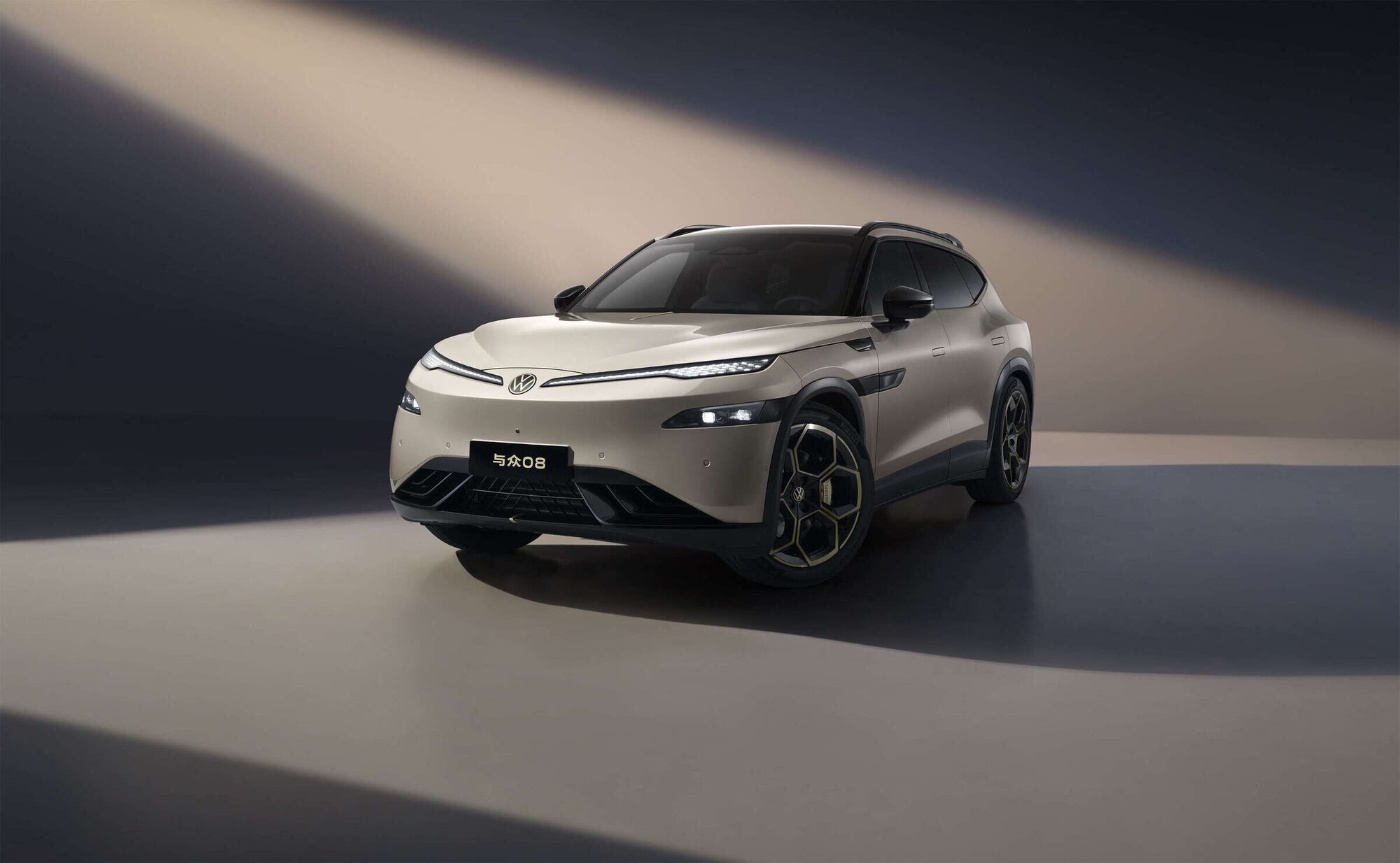
Volkswagen and XPeng have commenced series production of their first joint electric vehicle in Hefei, China. The ID. UNYX 08 reached production readiness just 24 months after the partnership began and is expected to hit the market in the first half of this year.
The model relies on locally developed technologies, including an 800-volt fast-charging architecture, a modern Level 2 assistance system, and Over-the-Air (OTA) updates. The Volkswagen Group China Technology Company (VCTC) is responsible for development and integration in collaboration with CARIAD China and XPeng. A key result of this partnership is the new "China Electronic Architecture" (CEA), a locally designed E/E architecture for both EVs and internal combustion vehicles.
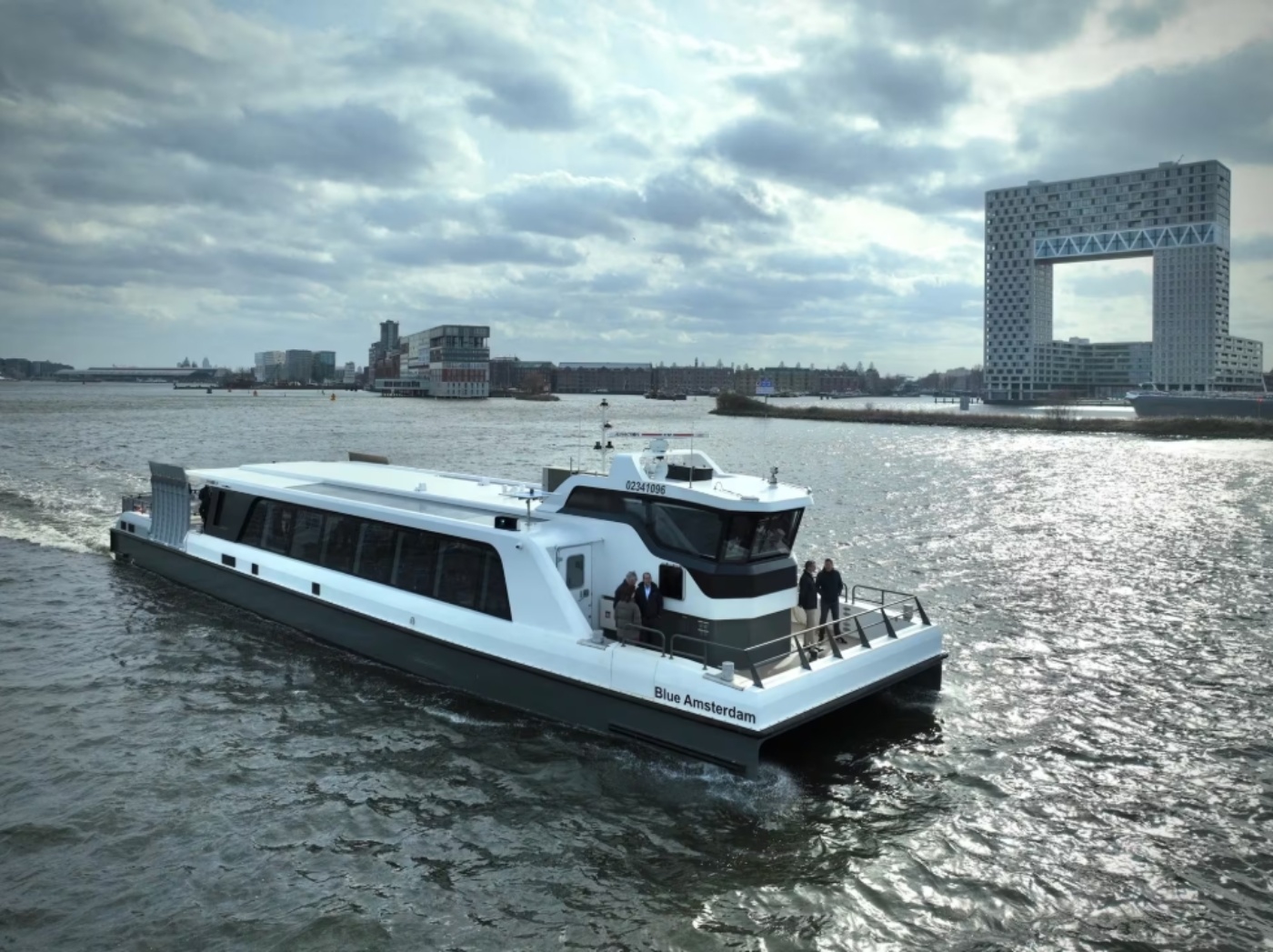
Damen Shipyards has introduced the Waterbus 2907 Electric, its first fully electric ferry designed for urban public transit. The zero-emission vessel is engineered for minimal wake, making it ideal for busy city waterways.
The roughly 94-foot (28.6-meter) ferry accommodates 130 passengers and is powered by two 375 kW electric motors. Energy is provided by battery systems with a capacity of over 200 kWh each. The ship is based on an evolved hybrid platform designed from the outset for full electrification. Technically, Damen utilizes a 1,000-volt architecture and a charging system derived from the automotive industry, which is future-proofed for Megawatt Charging (MCS) to facilitate high-speed turnarounds.