








IAA MOBILITY Weekly
This Week's Mobility Highlights Week 08/2026
Polestar, Ford, Opel, Picasso OMT and Project Arrow
- IAA MOBILITY Weekly
- 08/2026

Polestar announces an all-new Polestar 2 for 2027, Ford kicks off a "new chapter" for its EV fleet with a fresh strategy, Opel pivots back to diesel, Picasso OMT unveils a Swiss-made flat tracker with an adjustable carbon fiber frame, Canada showcases domestic EV expertise with "Project Arrow," and the first sodium-ion batteries enter series production—these are our top stories for Week 8, 2026.
Polestar announces an all-new Polestar 2 for 2027, Ford kicks off a "new chapter" for its EV fleet with a fresh strategy, Opel pivots back to diesel, Picasso OMT unveils a Swiss-made flat tracker with an adjustable carbon fiber frame, Canada showcases domestic EV expertise with "Project Arrow," and the first sodium-ion batteries enter series production—these are our top stories for Week 8, 2026.
- 1. Polestar Offensive: All-New Polestar 2 Confirmed for 2027
- 2. Canada Showcases Domestic EV Innovation: Project Arrow
- 3. Ford Announces a "New Chapter" for Its EV Strategy
- 4. Strategic Pivot: Opel Doubles Down on Diesel
- 5. Swiss Engineering: Picasso OMT 450C with Innovative Carbon Fiber Frame
- 6. Revolutionary Storage Tech: First Sodium-Ion Batteries Enter Series Production
- 7. Microlino Expands into Norway
- 8. From Crowdfunding to Commercial Launch: Modular E-Bike Transforms into Cargo Bike

Polestar is fleshing out its model strategy through 2028, announcing a comprehensive successor to the highly popular Polestar 2. The vehicle, slated for a 2027 launch, will not be a simple mid-cycle refresh but a ground-up redesign. While the current Polestar 2 is built on the CMA platform (shared with Volvo), its successor will be positioned as a technologically distinct, standalone model.
This announcement is part of a major product offensive aimed at boosting the brand’s delivery numbers to a target of 155,000 to 165.000 units. The new Polestar 2 is designed to bridge the gap between the high-end Polestar 3 and 4 models and the broader high-volume market.
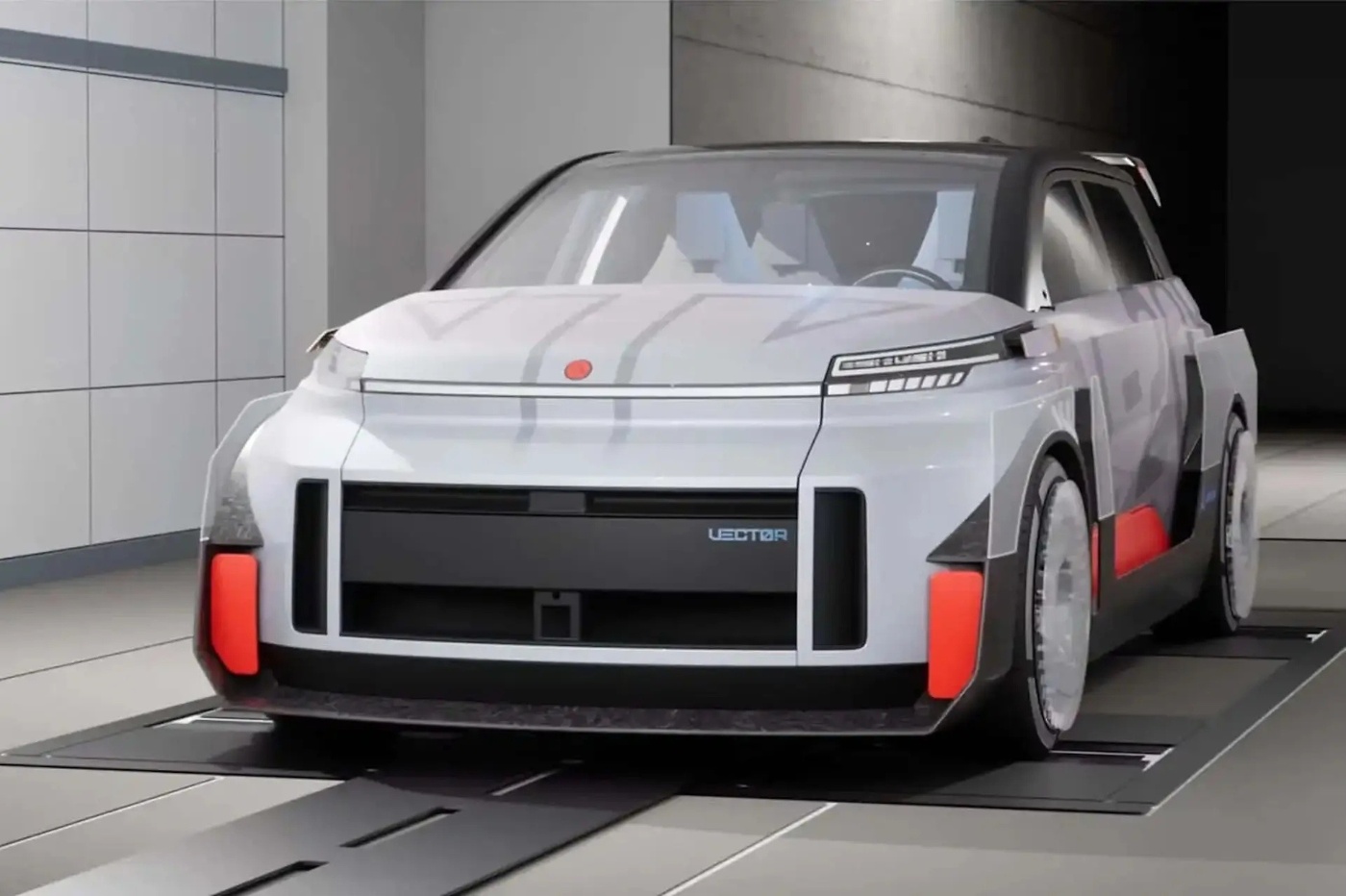
Canada is asserting its technological independence in the automotive sector. With "Project Arrow" and the Vector and Borealis models, the country has developed vehicles that work entirely without imported technologies. The project is a collaborative effort led by the Automotive Parts Manufacturers’ Association (APMA) of Canada.
Every component, from the software stack to the structural body parts, is the result of Canadian R&D. The initiative aims to establish Canada as a premier hub for sustainable mobility while significantly reducing reliance on global supply chains.
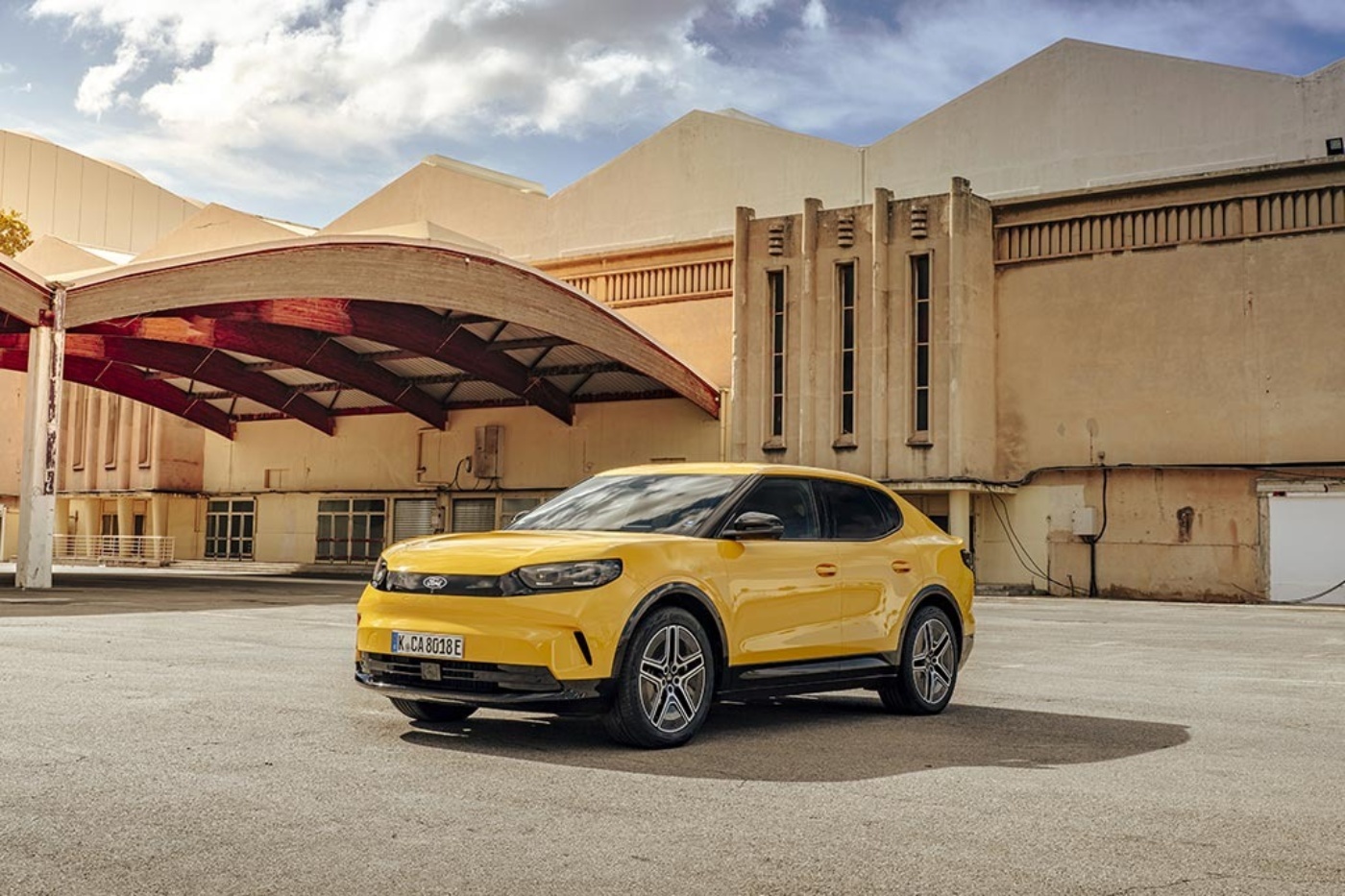
Ford is preparing a strategic pivot for its electric vehicle division. Under the "New Chapter" banner, the US automaker plans to streamline its lineup to be more efficient and competitive. A major focus will be the development of smaller, more affordable EVs designed to appeal to a wider range of consumers.
The goal is to secure the profitability of the "Model e" division through an optimized cost structure and new platform technologies, while simultaneously reclaiming market share from global competitors.
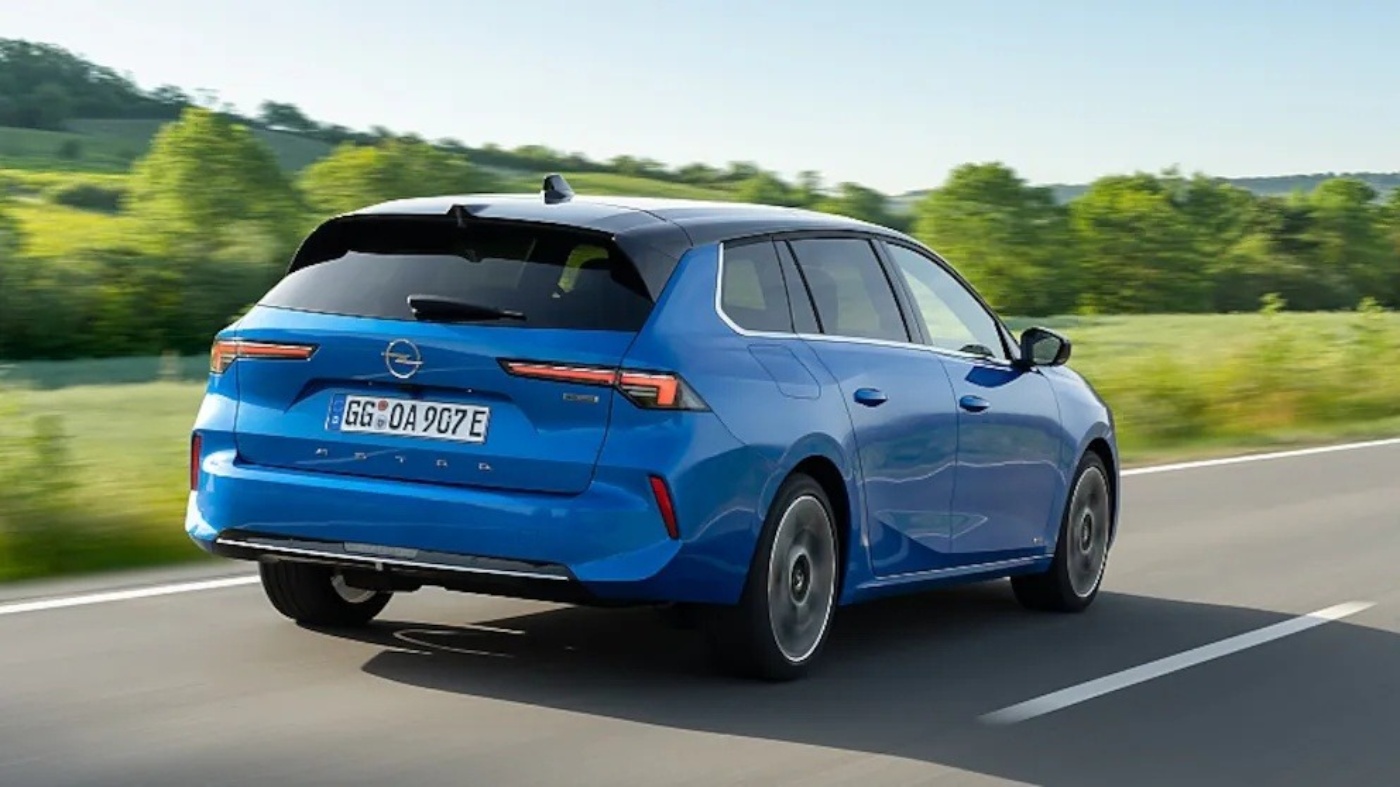
In a tactical shift, Opel is ramping up its focus on diesel-powered vehicles once again. As many European manufacturers pivot aggressively toward full electrification, Opel’s parent company Stellantis sees a valuable niche in the market—particularly for long-distance drivers and commercial fleets. The modern diesel variants in models like the Astra and Grandland are intended to win over customers who find the transition to purely electric power currently impractical due to range or infrastructure needs.
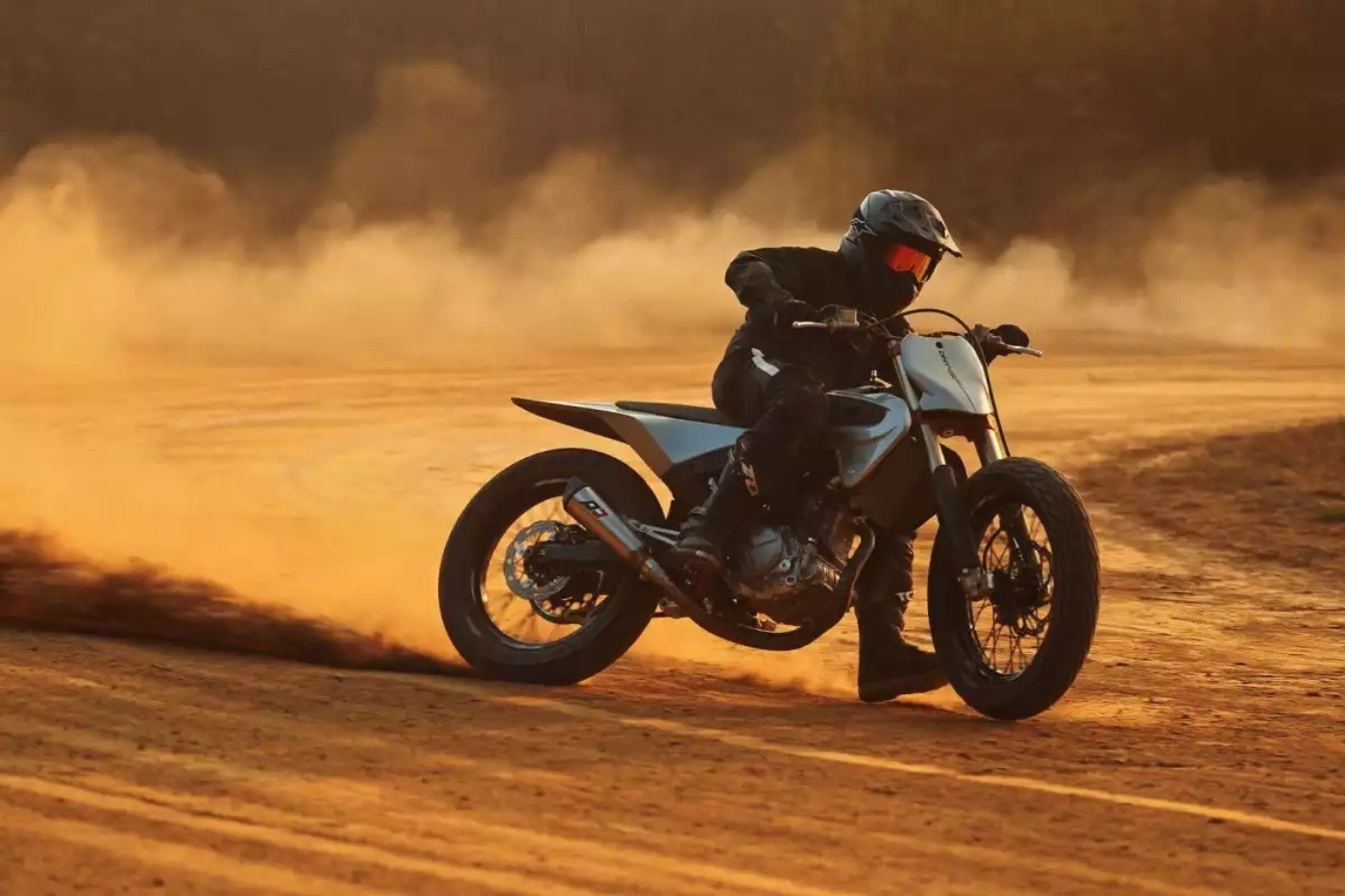
The Swiss company Picasso OMT is making waves in the motorcycle world with the "450C." This flat tracker stands out thanks to its ultralight, high-tech carbon fiber frame. Its most striking feature is a highly adjustable frame geometry.
Riders can fine-tune parameters such as the head tube angle and swingarm pivot point to tailor the bike’s handling to specific track conditions or personal riding styles. With this focus on radical lightweight construction and maximum versatility, the 450C positions itself as an exclusive, high-performance machine "Made in Switzerland."

Chinese battery manufacturer CATL, in partnership with the also Chinese automaker Changan, has launched a global testing program for a new generation of sodium-ion batteries. The first units are already being deployed in real-world trials. According to CATL, this new cell chemistry sets industry benchmarks for reliability and safety.
The technology is particularly impressive in extreme climates: at temperatures as low as -22°F (-30°C), sodium-ion cells are three times as efficient as traditional lithium-ion batteries. The system remains fully functional even down to -58°F (-50°C). The first series-production vehicles equipped with this technology are expected to hit the market before the end of the year.
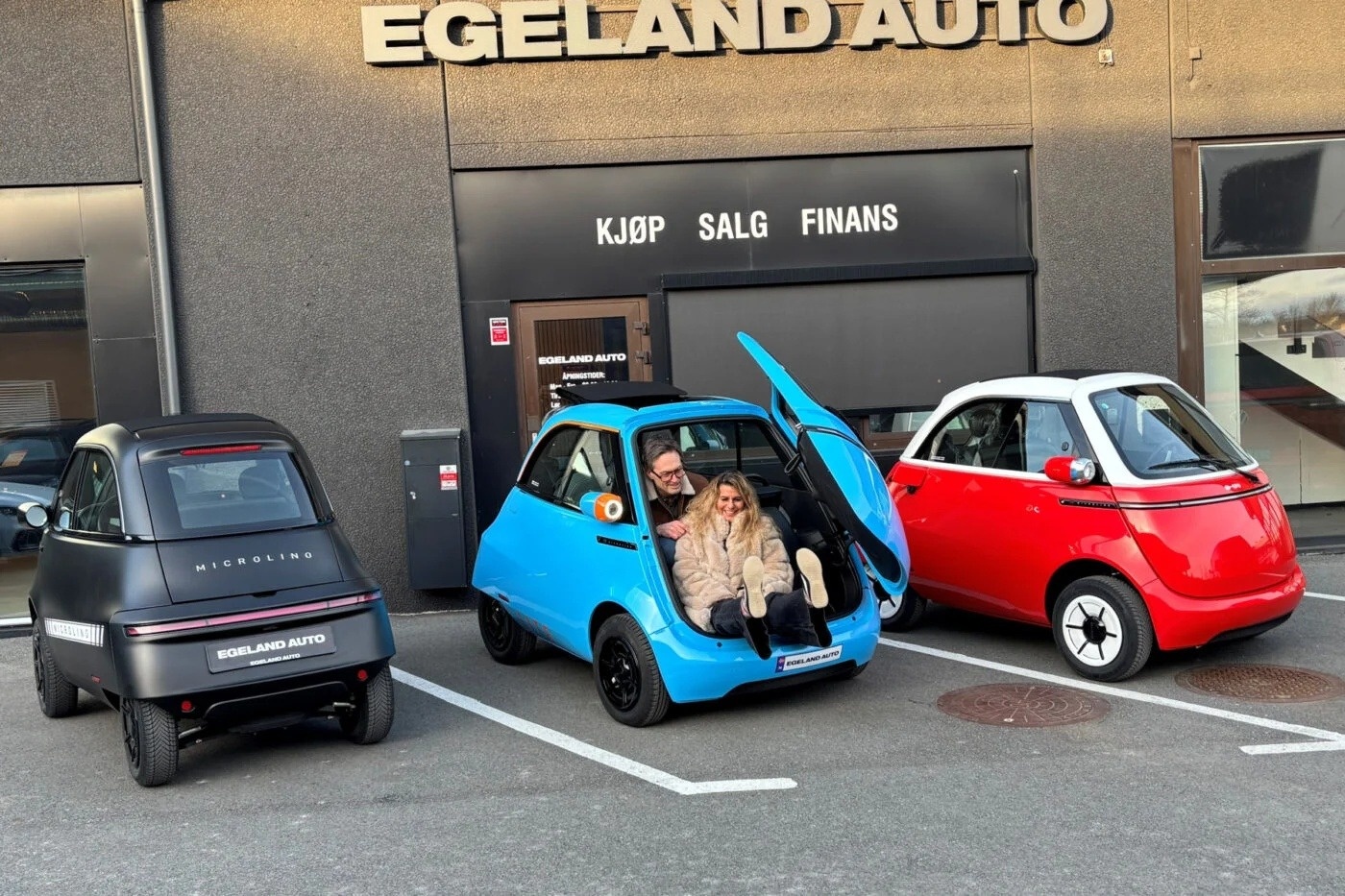
Swiss manufacturer Micro is continuing its international expansion, launching the Microlino micro-EV in the Norwegian market. Despite Norway’s market being dominated by large electric SUVs, the company sees significant potential for urban micro-mobility in cities like Oslo. The Microlino is positioned as a space-saving, efficient solution for commuters and urban residents.
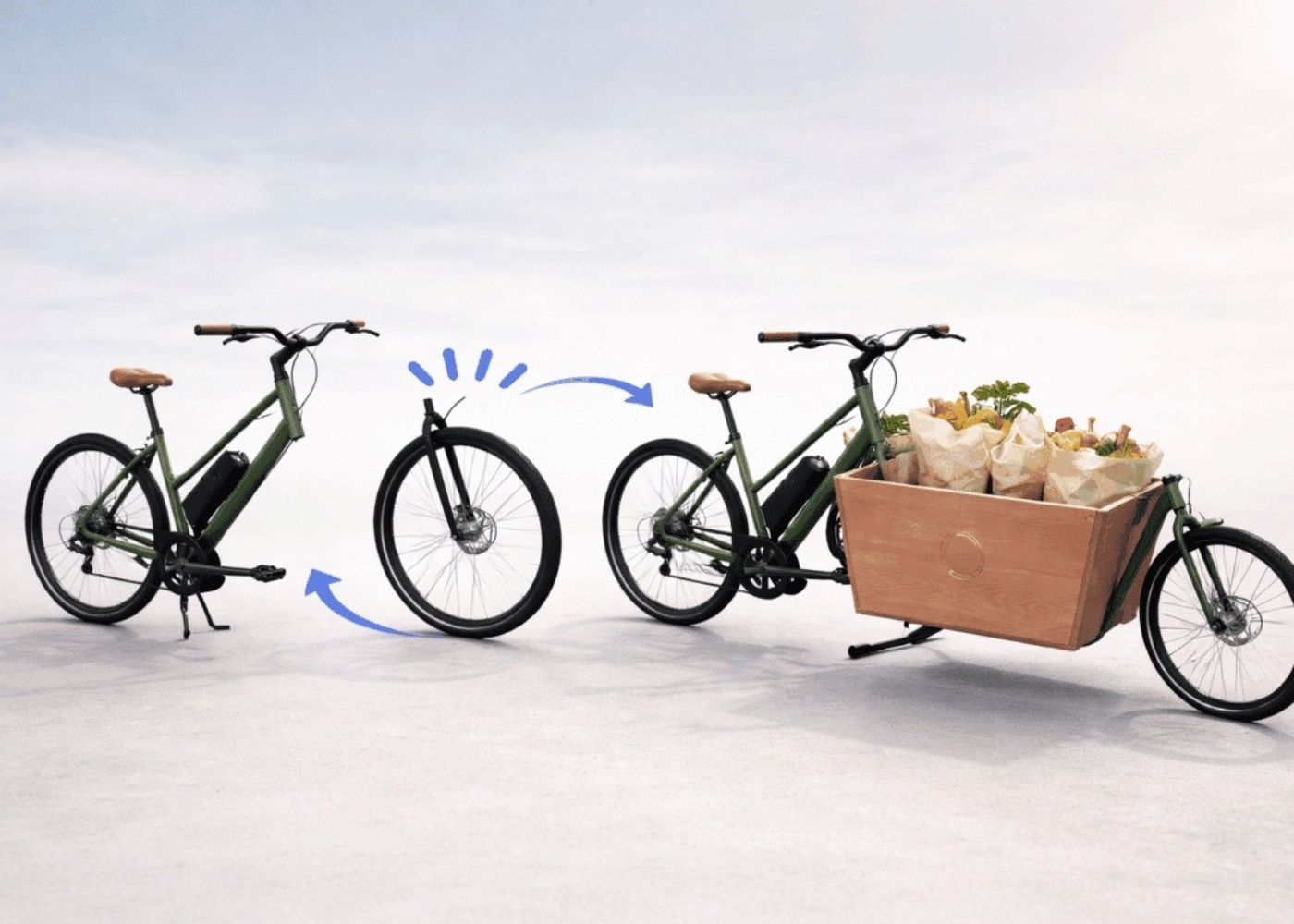
French startup Gambade is introducing a new level of modularity to urban mobility. Their innovative concept differs fundamentally from traditional cargo bikes: instead of a permanently extended frame or a fixed transport box, the system uses a swappable front fork.
This tool-free conversion can be completed in about 30 seconds, turning a standard wheelbase e-bike into a full-fledged e-cargo bike and back again. The system addresses a common pain point: many users want the utility of a cargo bike without the permanent bulk, weight, and storage challenges of a large-frame vehicle. The design offers maximum flexibility for a variety of urban lifestyle scenarios.