



Mobility
Rocsys Presents Automatic Multi-Charging System for Robotaxi Fleets
Image: (c) Rocsys
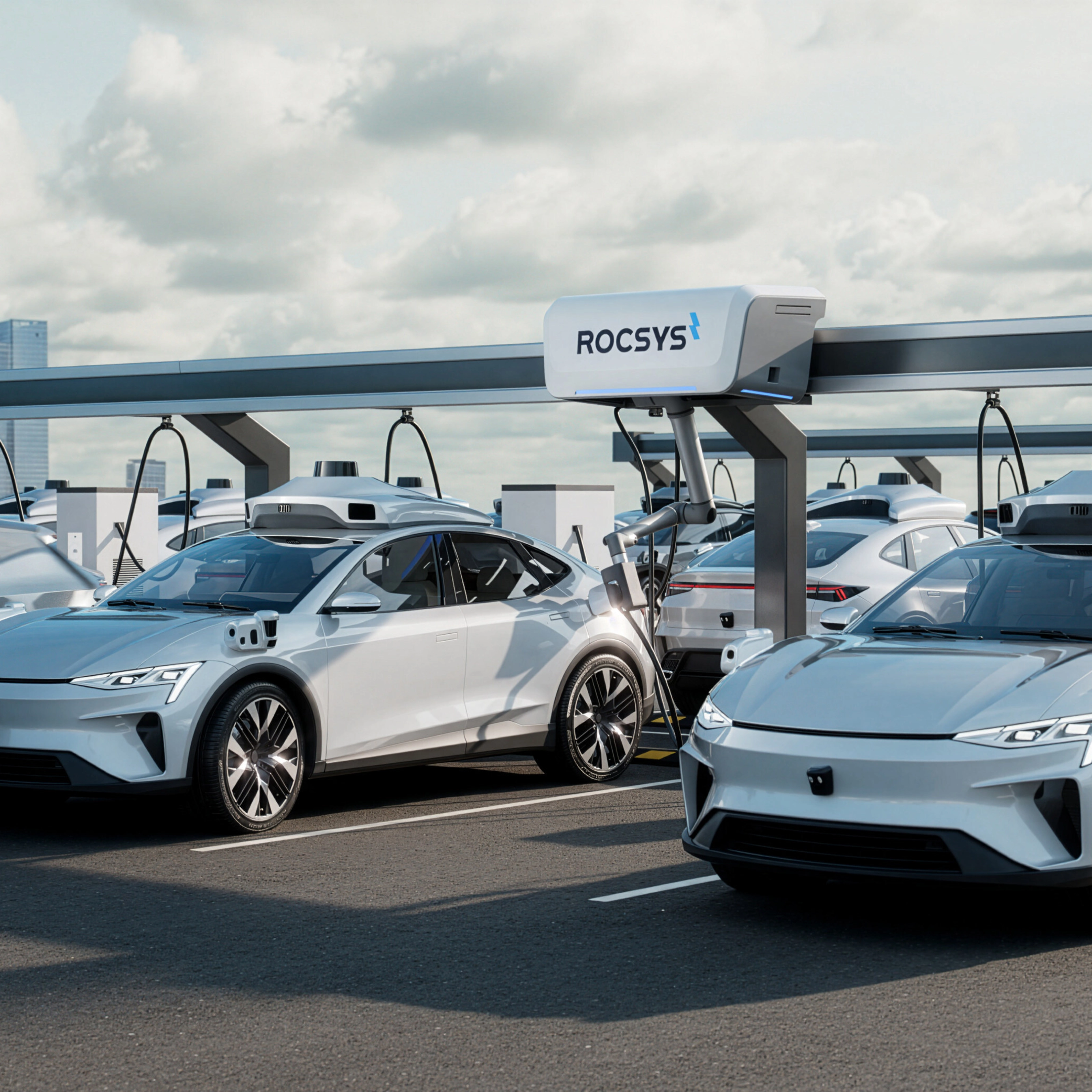
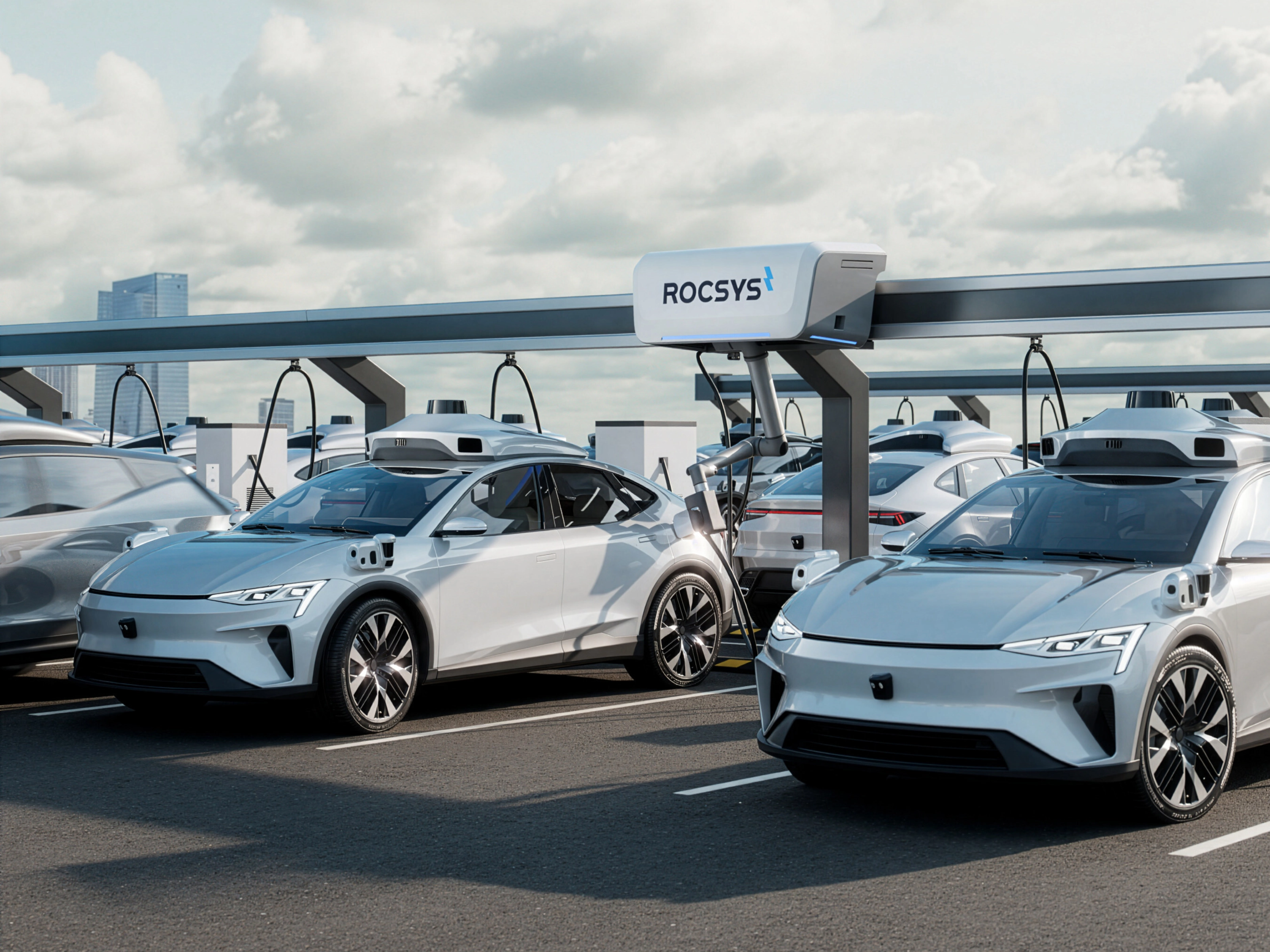
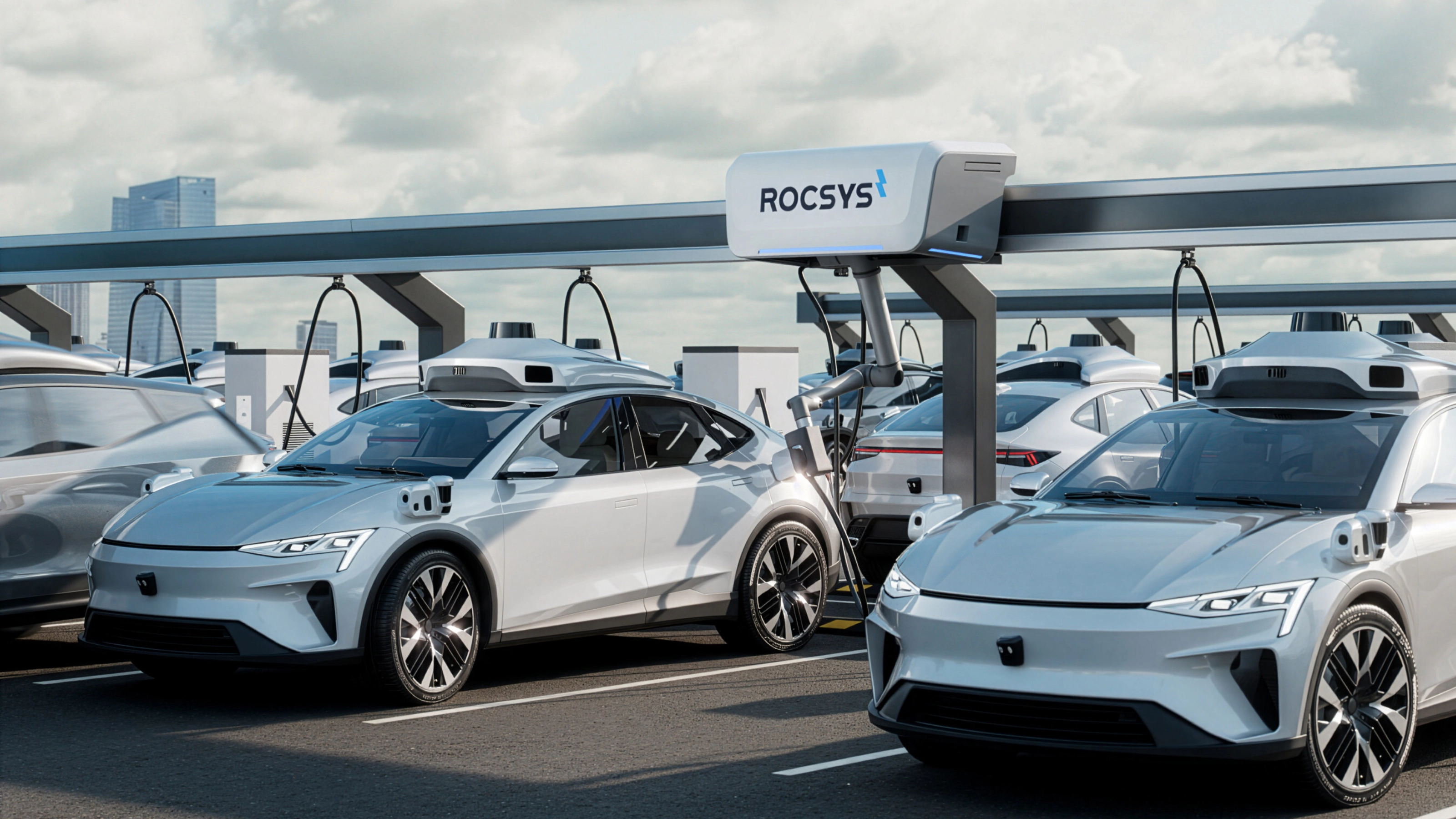
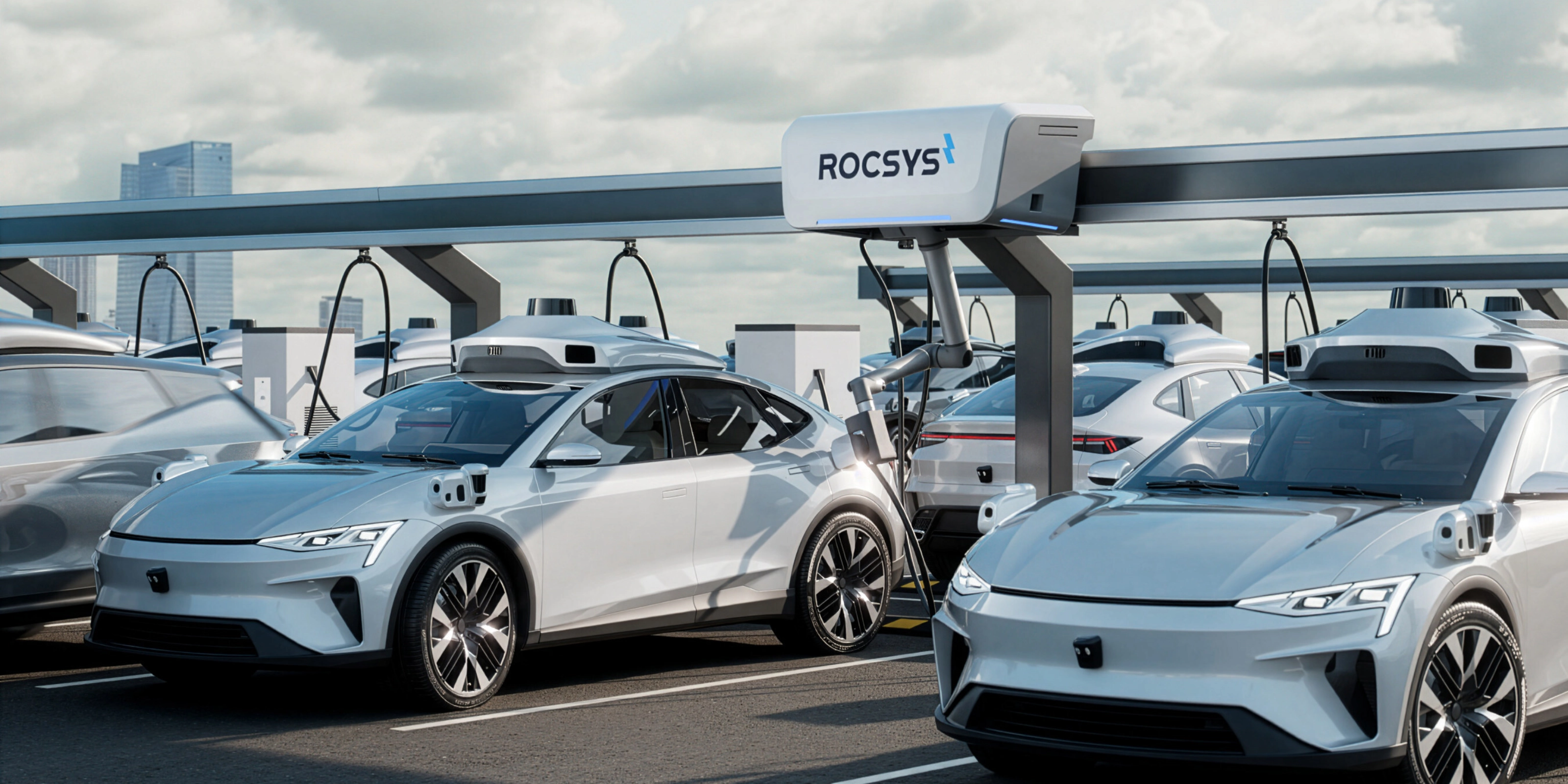
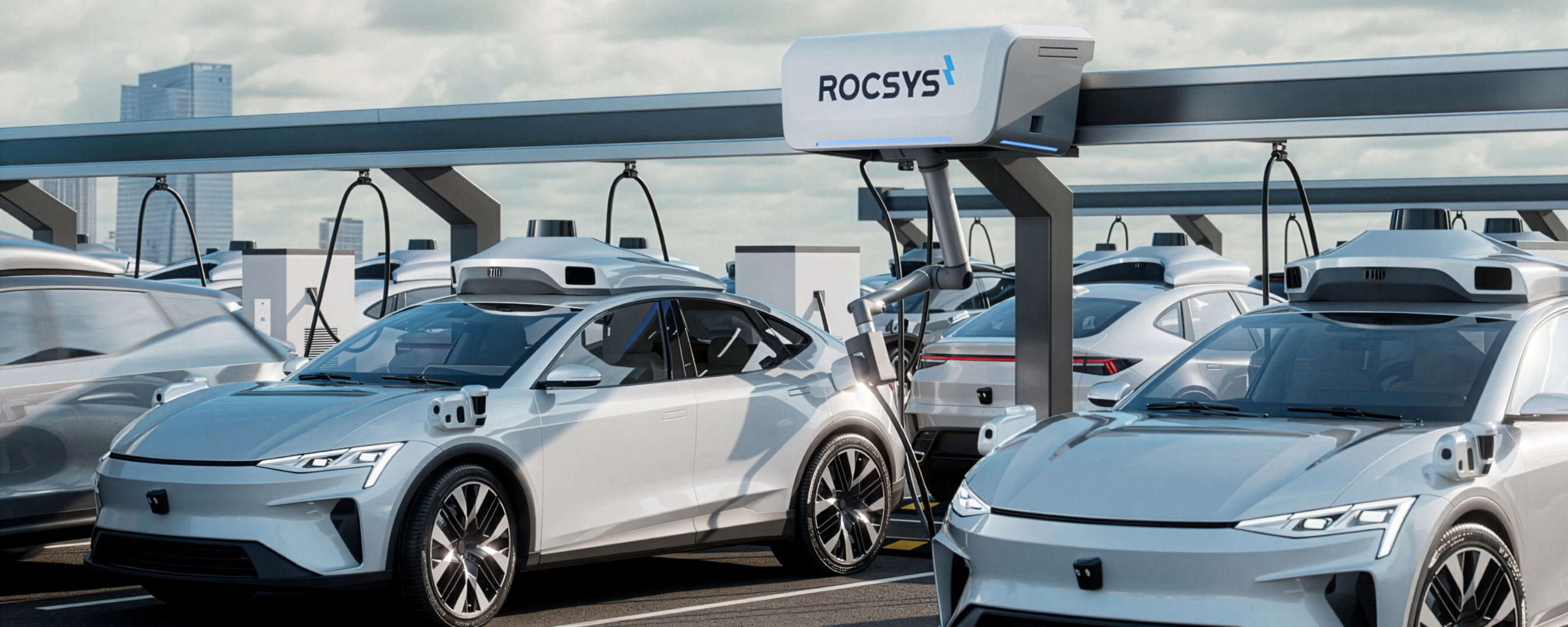
The Dutch-American company Rocsys has unveiled the "Rocsys M1," which it claims is the world's first hands-free multi-charging solution for robotaxi fleets. Specifically designed for the autonomous operation of large electric vehicle (EV) fleets, the system aims to eliminate a major bottleneck in scaling robotaxis: the manual connection of vehicles to charging infrastructure.
The Dutch-American company Rocsys has unveiled the "Rocsys M1," which it claims is the world's first hands-free multi-charging solution for robotaxi fleets. Specifically designed for the autonomous operation of large electric vehicle (EV) fleets, the system aims to eliminate a major bottleneck in scaling robotaxis: the manual connection of vehicles to charging infrastructure.
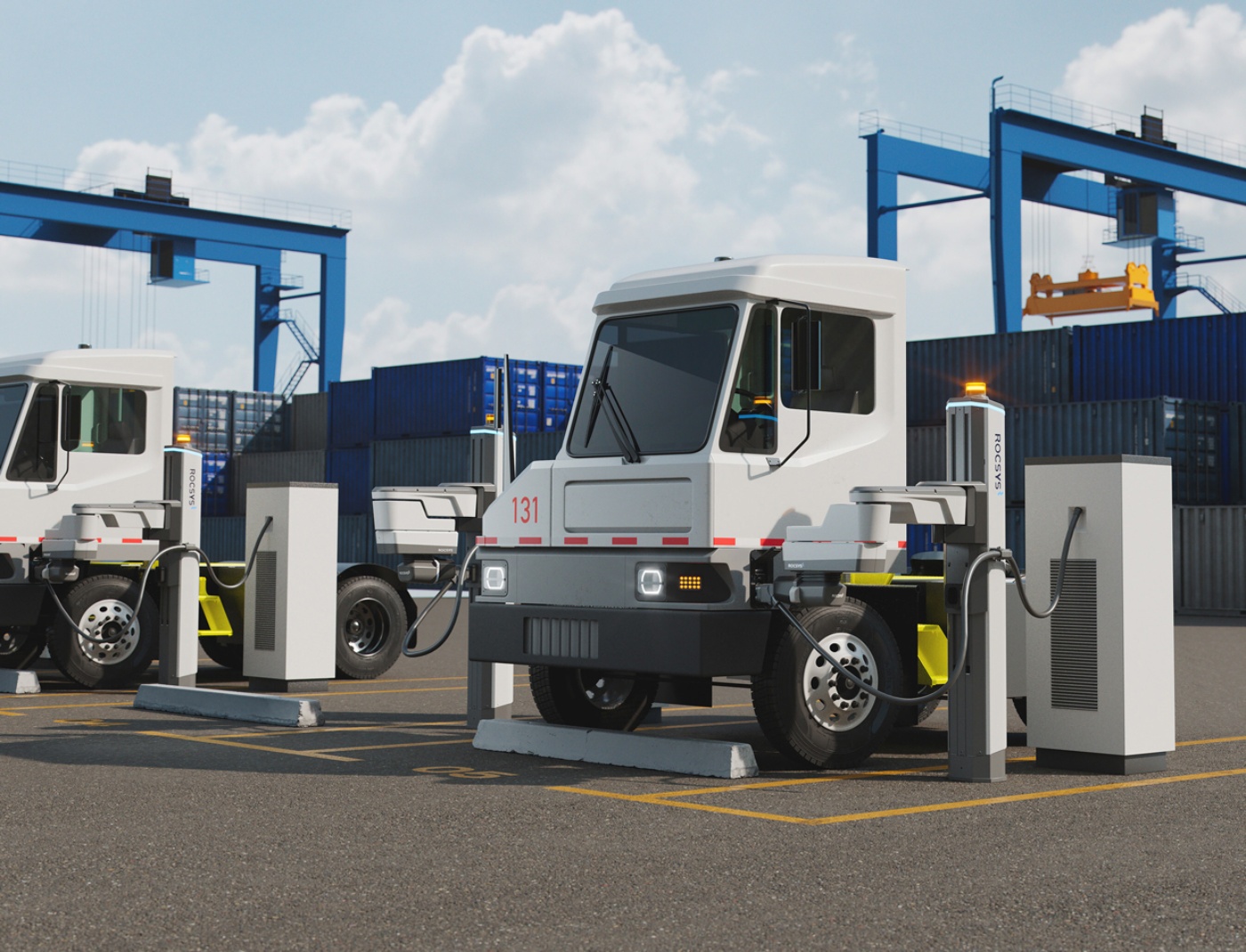
The Rocsys M1 is currently in pilot stages, with a large-scale rollout across North America and Europe scheduled to begin in 2027. Over the next five years, Rocsys plans to support several thousand charging points.
The core of the system is a rail-guided robotic arm installed above the parking spaces. According to Rocsys, a single M1 system can service up to ten charging bays. Using AI-powered computer vision, the robot identifies the vehicle's position, opens the charging port cover if necessary, and automatically connects the vehicle to the charging cable.
The system is designed to be compatible with various vehicle types, plugs, and charging infrastructures. This allows operators to run mixed fleets without being tied to a specific charging provider or vehicle manufacturer.