Mobility
Canyon Showcases AI Helmet, Intelligent Predict Bike, and V2X E-Bike for Enhanced Road Safety
Image: (c) Canyon
Canyon has unveiled a comprehensive technology package designed to significantly improve cyclist safety on the road. At the core of this initiative are the new Stingr Smart Helmet with an integrated heads-up display, the AI-powered Canyon Predict Bike, and the Roadlite V2X—which, for the first time, brings Vehicle-to-Everything (V2X) communication to a production-ready e-bike. Together, these three concepts aim to drive the transition from reactive to predictive and connected bicycle safety.
Canyon has unveiled a comprehensive technology package designed to significantly improve cyclist safety on the road. At the core of this initiative are the new Stingr Smart Helmet with an integrated heads-up display, the AI-powered Canyon Predict Bike, and the Roadlite V2X—which, for the first time, brings Vehicle-to-Everything (V2X) communication to a production-ready e-bike. Together, these three concepts aim to drive the transition from reactive to predictive and connected bicycle safety.
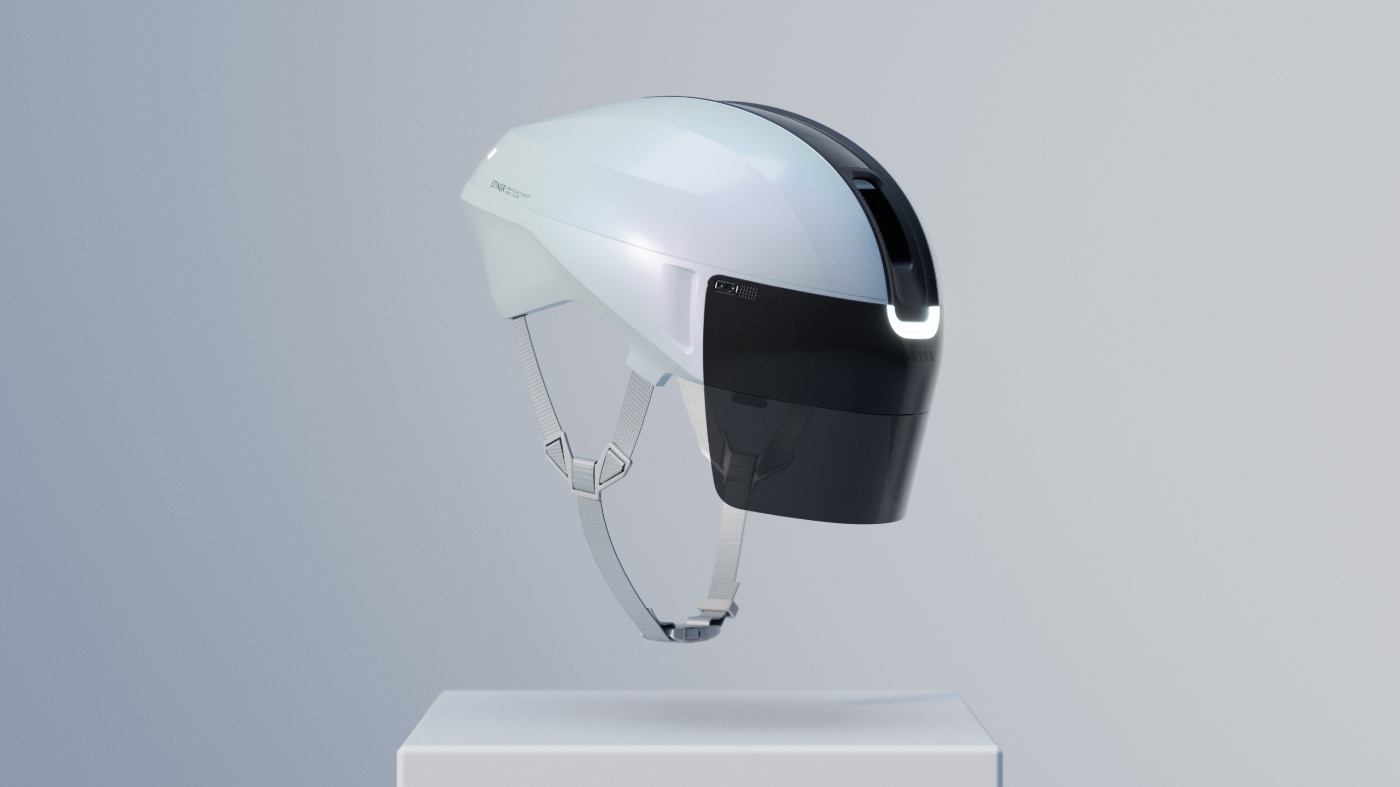
Stingr Smart Helmet with Integrated Heads-Up Display
The new Stingr Smart Helmet serves as the central user interface for the Canyon Predict system. A heads-up display integrated into the flip-up visor projects safety-critical information directly into the rider’s line of sight. This includes warnings about road hazards, insights into the behavior of other motorists and cyclists, and alerts for group rides. To minimize distractions, the information is displayed primarily in the rider's peripheral vision and is supplemented by acoustic and customizable haptic alerts when necessary.
In addition to its safety features, the helmet caters to performance-oriented riders. It can display performance metrics such as speed, distance, cadence, power output, slope, and elevation gain, and it features built-in heart rate monitoring. Furthermore, data from external sensors can be integrated via Bluetooth or ANT+. Voice control and a near-ear audio system allow for hands-free operation while supporting navigation prompts, messages, and phone calls. Alternatively, touch controls are available on the outside of the helmet.
AI Aims to Detect Hazards Before They Become Visible
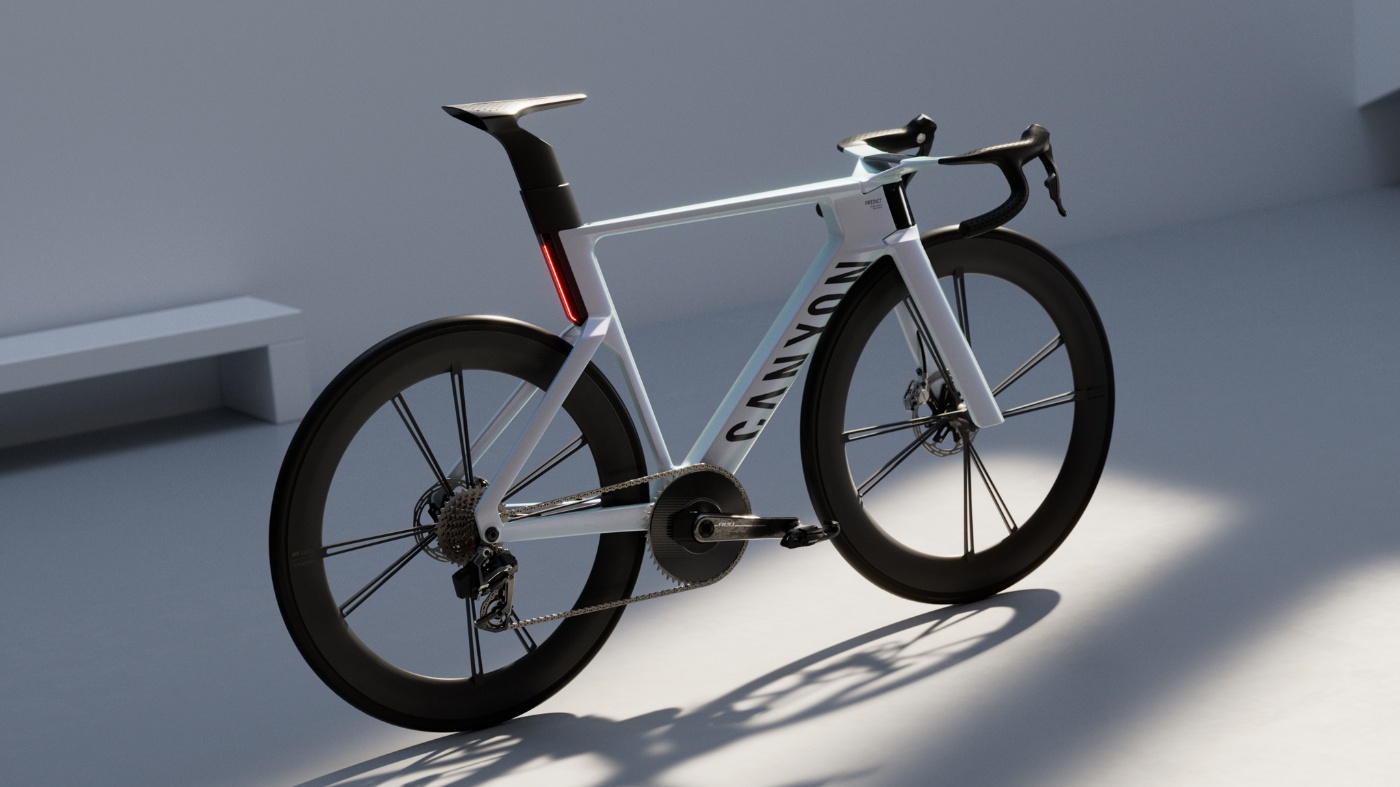
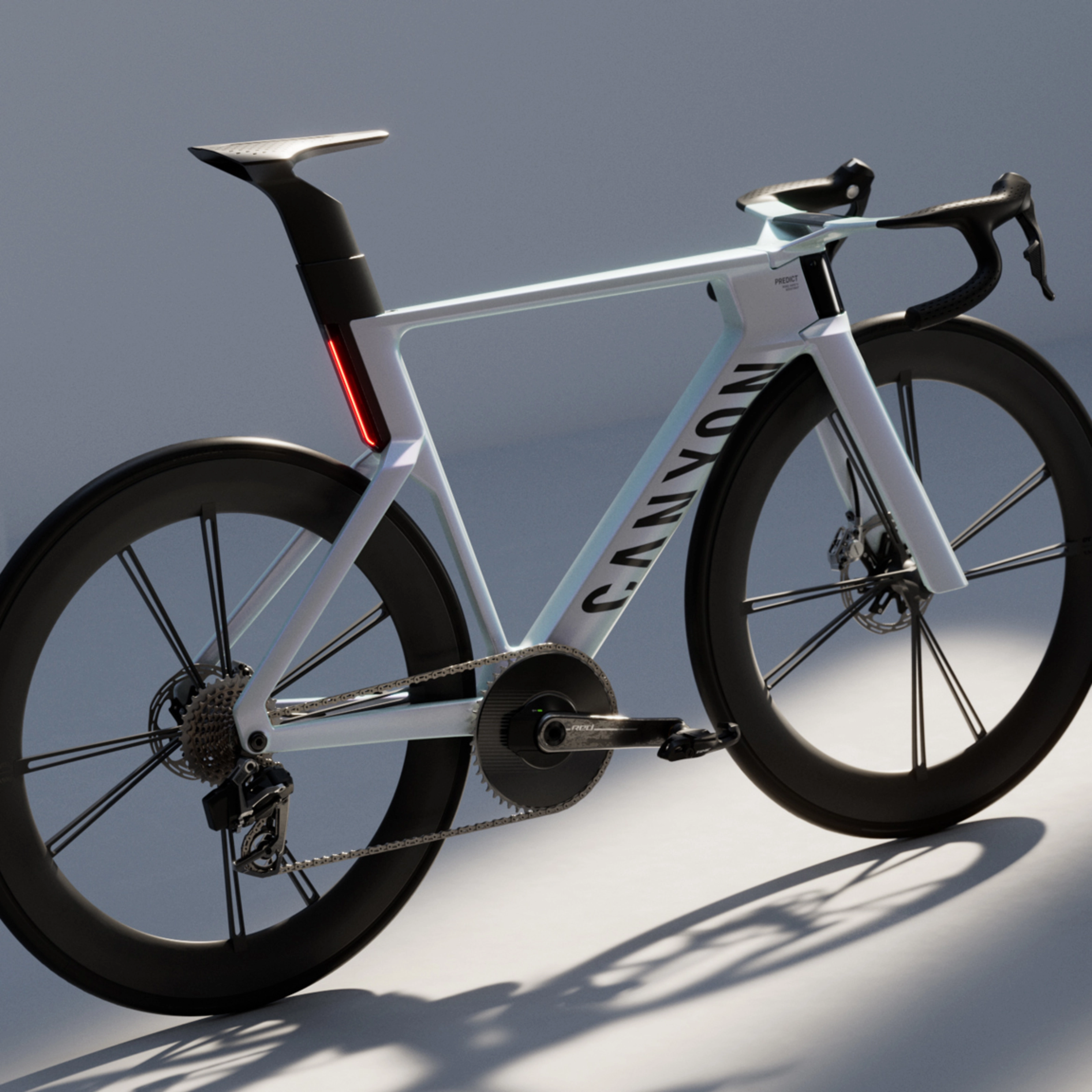
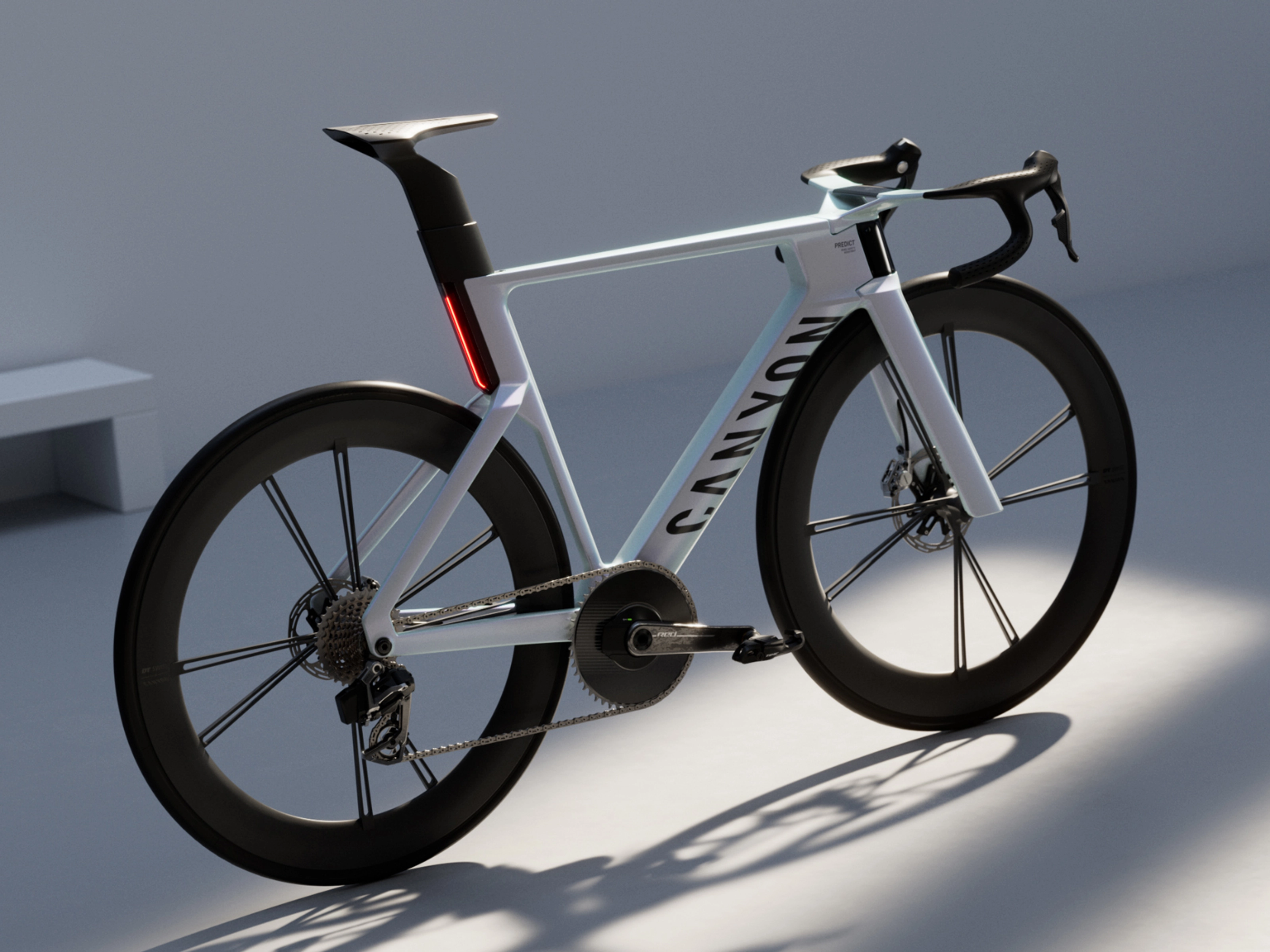
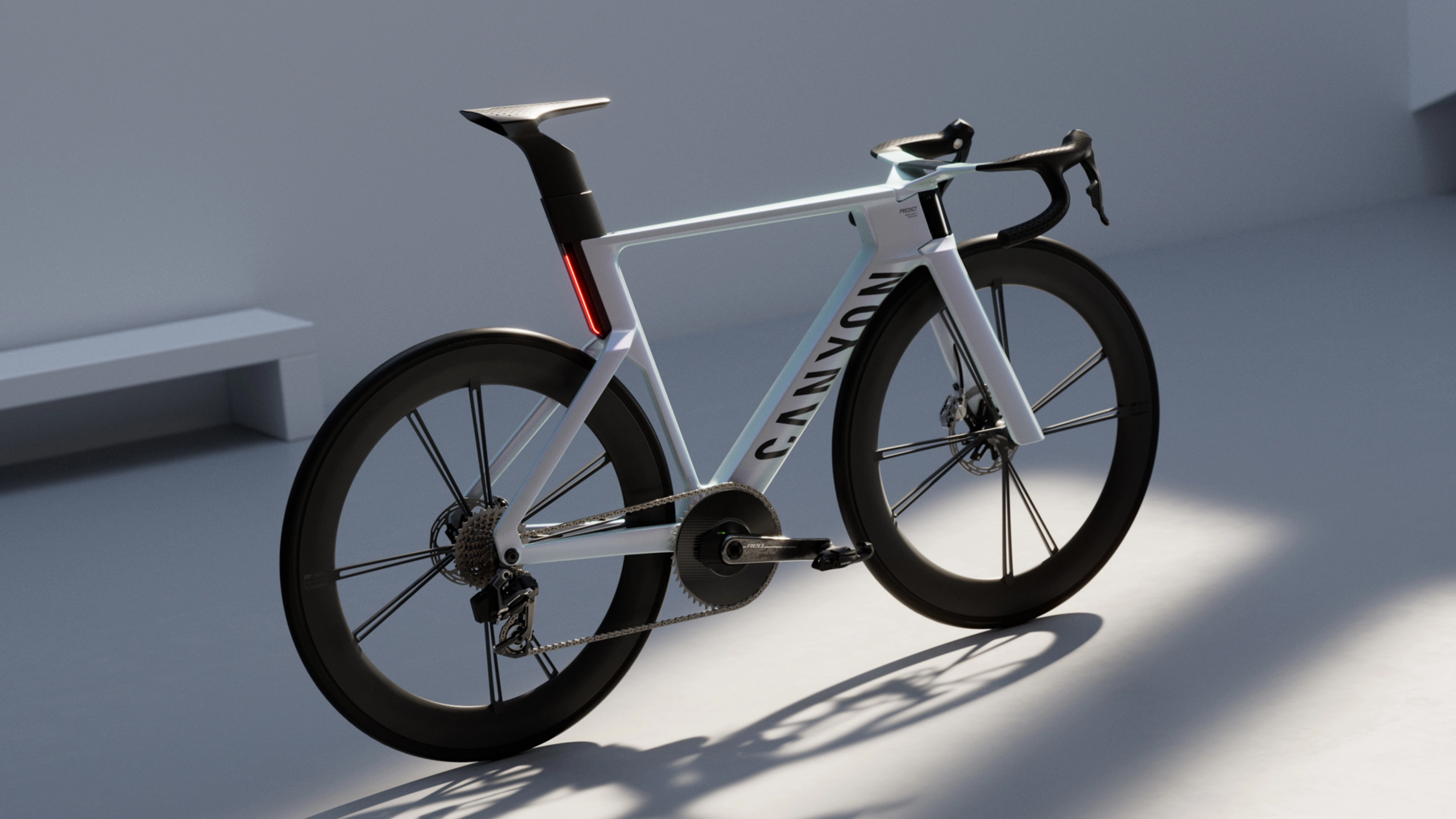
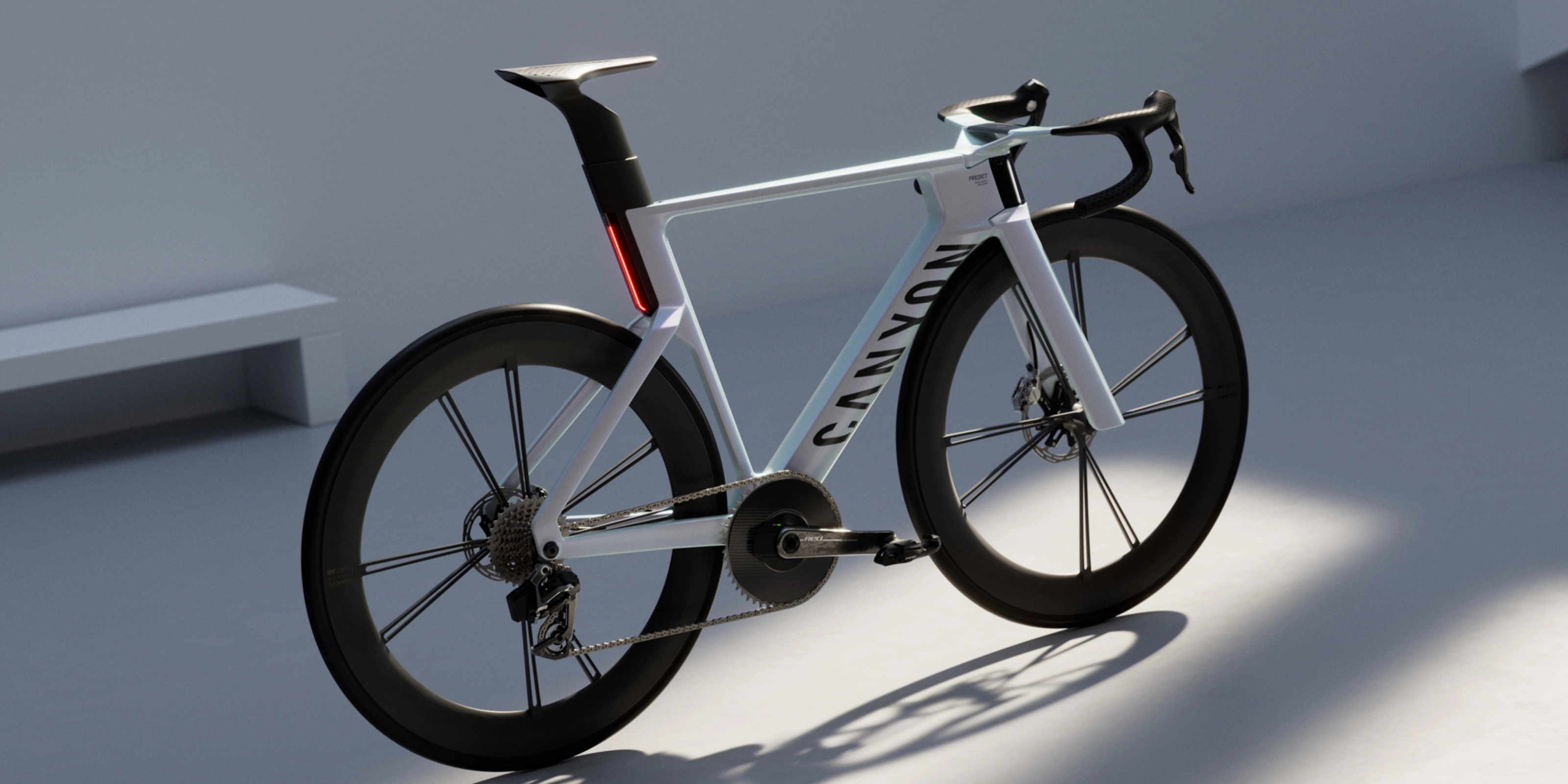
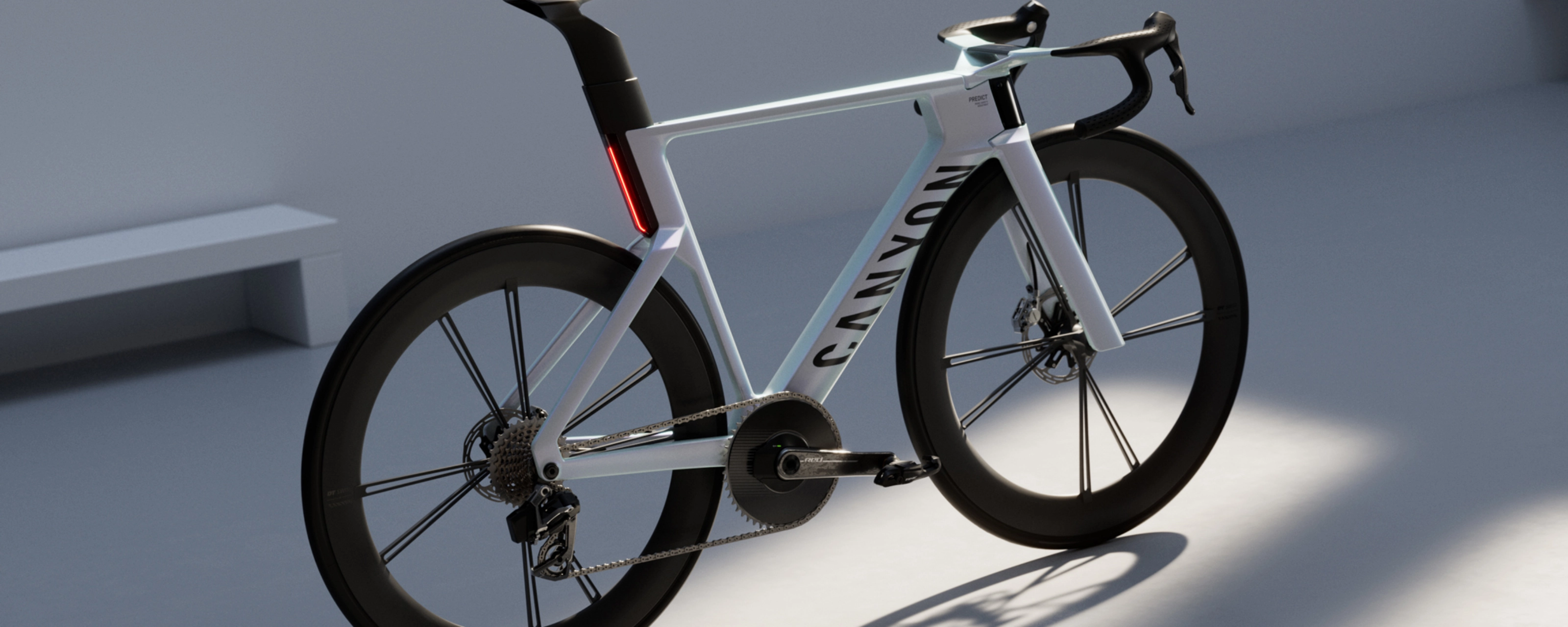
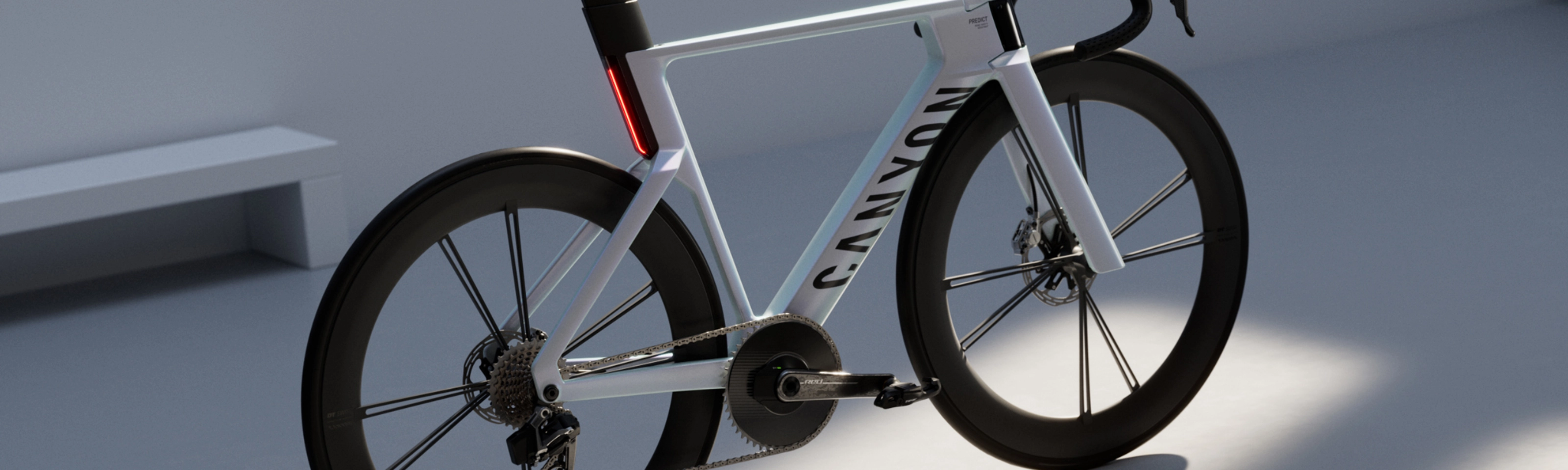
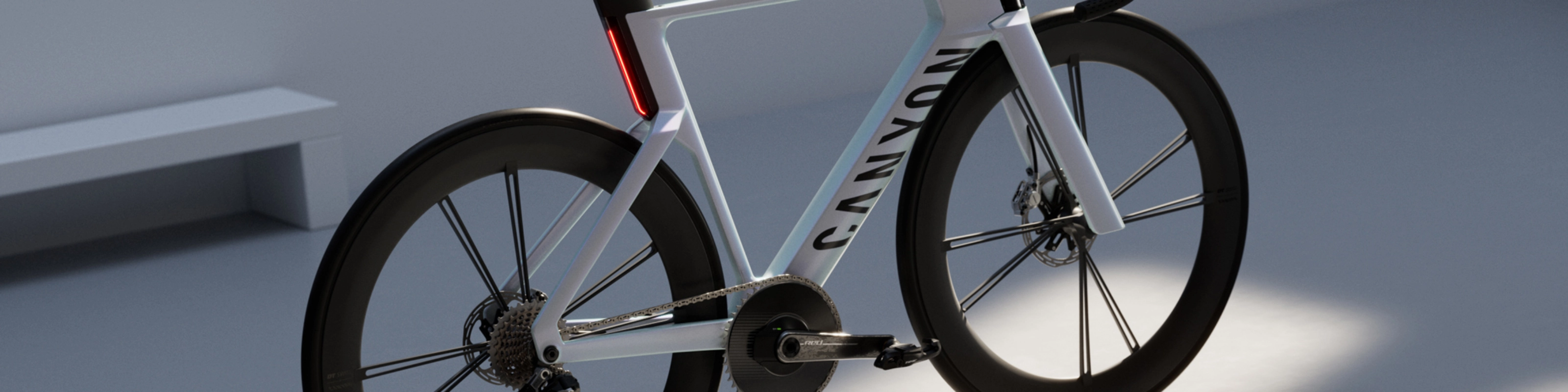
To complement the helmet, Canyon introduced the Predict Bike. This concept combines a carbon road bike with integrated edge AI, cameras, radar, a multi-dimensional motion sensor, and a handlebar-integrated display. The system's goal is not just to detect hazards as they happen, but to predict risks well in advance.
To achieve this, the local AI uses a 360-degree sensor suite to continuously analyze the surrounding environment alongside riding parameters like speed, stability, and steering behavior. Based on a situational model, the system evaluates potential dangers and assists the rider through features like Prediction Assist, Distance Assist, Terrain Assist, and Group Ride Assist. This allows the system to detect critical gaps, challenging road surfaces, or hazardous situations within a group of riders early on.
All data processing occurs entirely locally on the bike and does not require a cloud connection, ensuring both ultra-fast response times and high data privacy. Looking ahead, adaptive vehicle features—such as automatically lowering the dropper seatpost in critical situations—could further enhance riding stability.
V2X Technology Connects Bikes, Cars, and Infrastructure
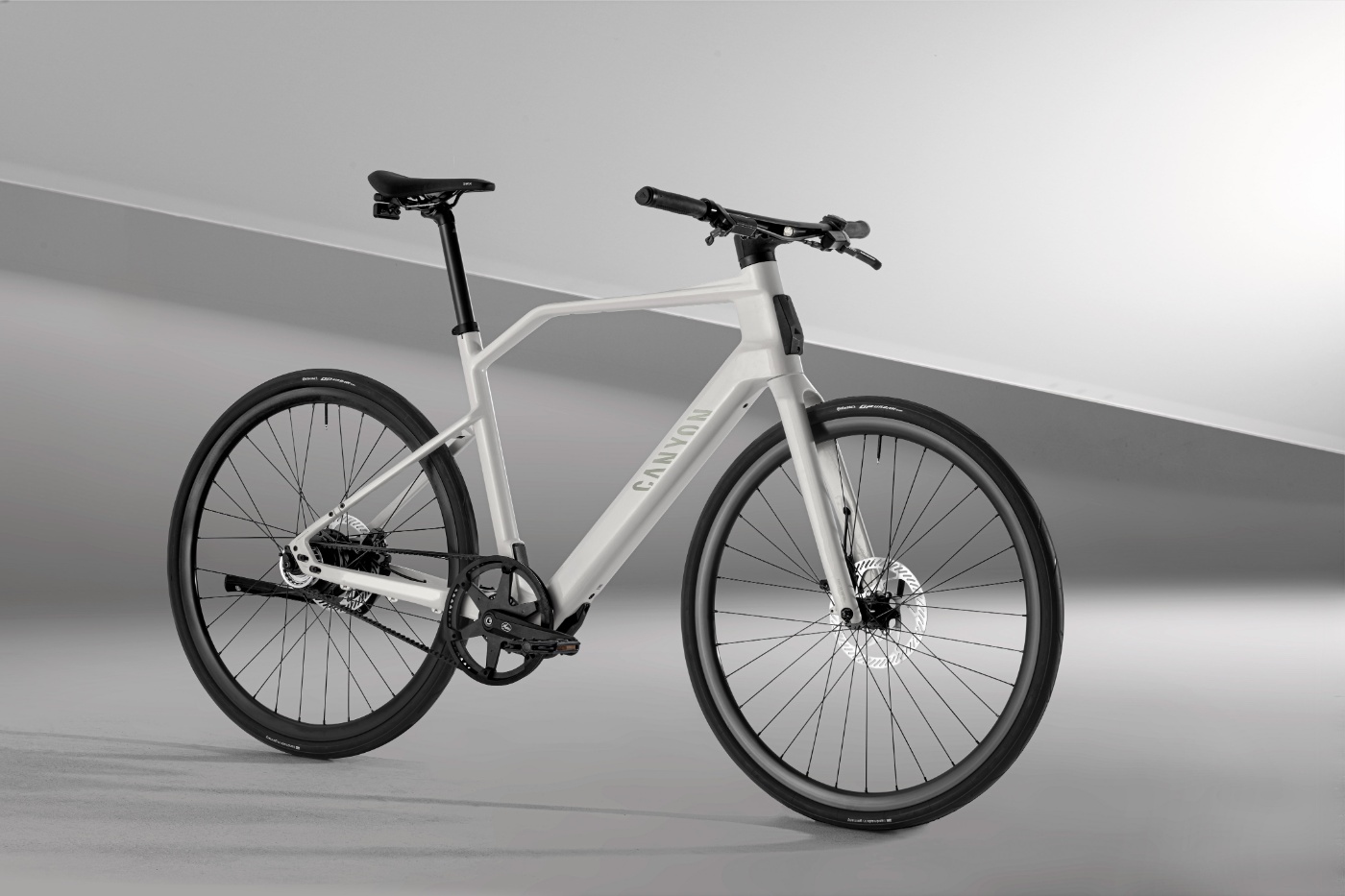
In parallel, Canyon is working on integrating Vehicle-to-Everything communication. With the Canyon Roadlite:ON V2X, which was tested with support from the Volkswagen Group, the automotive industry's latest connectivity standards have been fully transferred to a production-ready e-bike for the first time.
The system enables direct communication between the bicycle, other vehicles, and eventually, smart traffic infrastructure. This allows road users to detect each other even when there is no direct line of sight. For example, if a car approaches a blind intersection, the driver inside the vehicle is alerted to the bicycle's presence. At the same time, the cyclist receives warnings via haptic feedback in the handlebars and visual alerts on connected devices.
Furthermore, the concept bike can communicate with smart infrastructure currently being tested in countries like Germany and the Netherlands. Looking to the future, this could enable features like a "green wave" (optimized traffic light timing) for cyclists. The safety concept is rounded out by a dynamic brake light and radar systems that inform other road users of riding maneuvers and warn them if they are tailgating.