



Technology
Volkswagen and Qualcomm Deepen Partnership for Future Infotainment and Software Architectures
Image (c) Volkswagen
The Volkswagen Group and US-based semiconductor manufacturer Qualcomm Technologies have signed a letter of intent for a long-term supply partnership. Starting in 2027, the agreement will see Qualcomm provide high-performance Systems-on-Chips (SoCs) for VW vehicles. These chips will power central functions for infotainment, connectivity, and automated driving, serving as a cornerstone of the Group’s new Software-Defined Vehicle (SDV) architecture.
The Volkswagen Group and US-based semiconductor manufacturer Qualcomm Technologies have signed a letter of intent for a long-term supply partnership. Starting in 2027, the agreement will see Qualcomm provide high-performance Systems-on-Chips (SoCs) for VW vehicles. These chips will power central functions for infotainment, connectivity, and automated driving, serving as a cornerstone of the Group’s new Software-Defined Vehicle (SDV) architecture.
Qualcomm’s Snapdragon Digital Chassis Takes Center Stage
At the heart of the agreement is the integration of Qualcomm’s "Snapdragon Digital Chassis" into Volkswagen’s technical platform. This platform is being developed in collaboration with US startup Rivian Automotive through their joint venture, RV Tech, to create intuitive, personalized digital driving experiences based on a zonal SDV architecture.
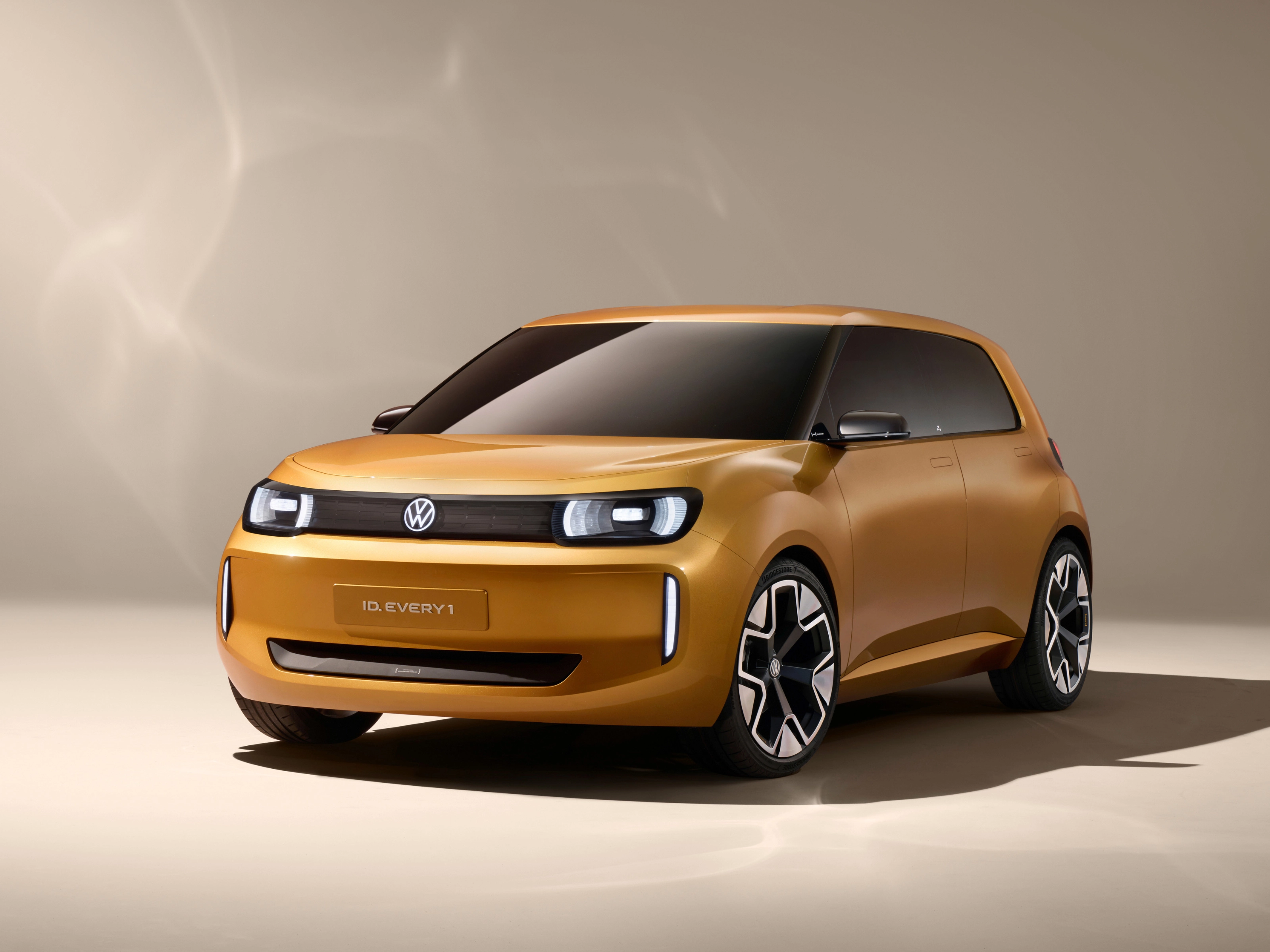
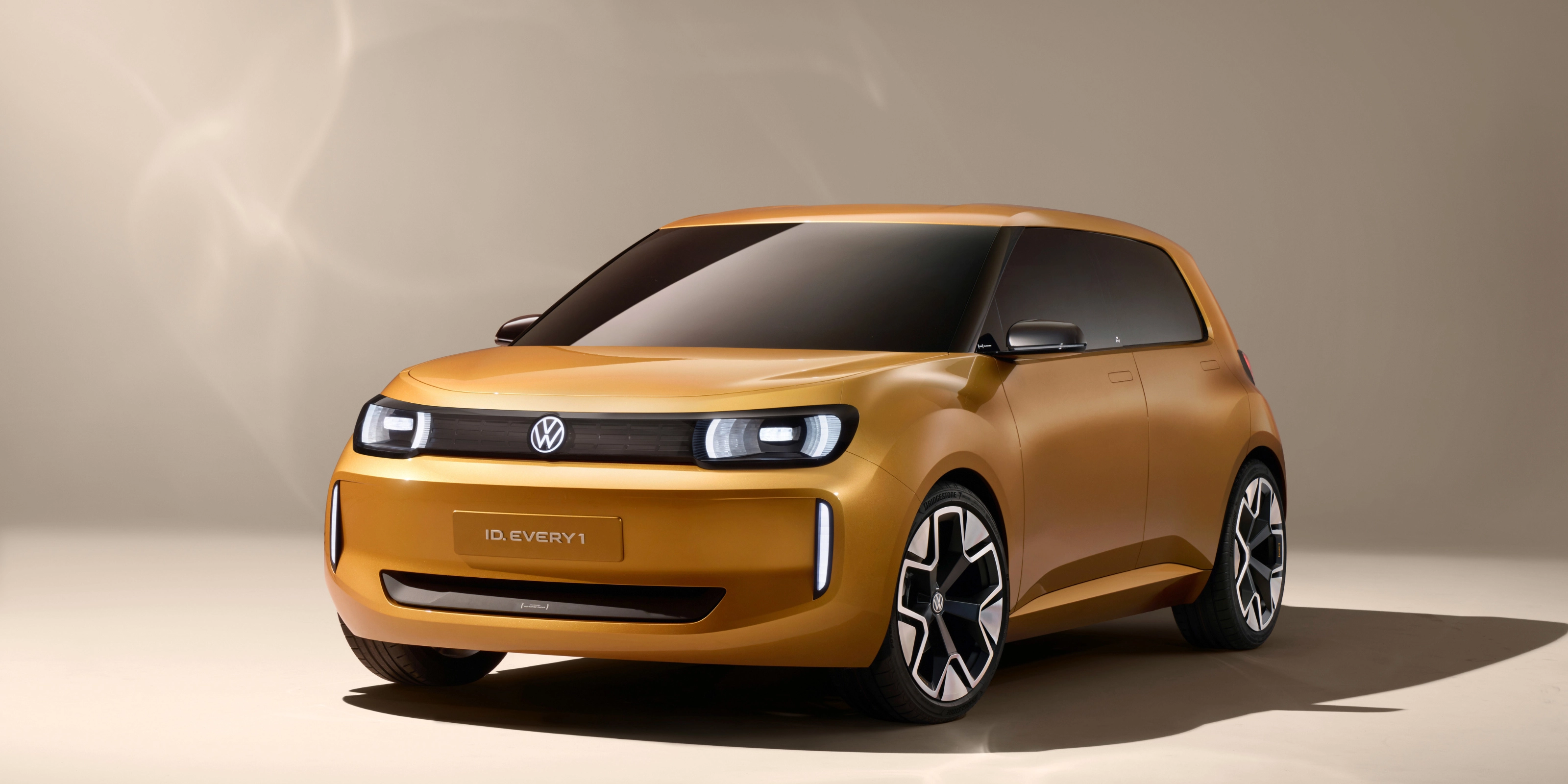
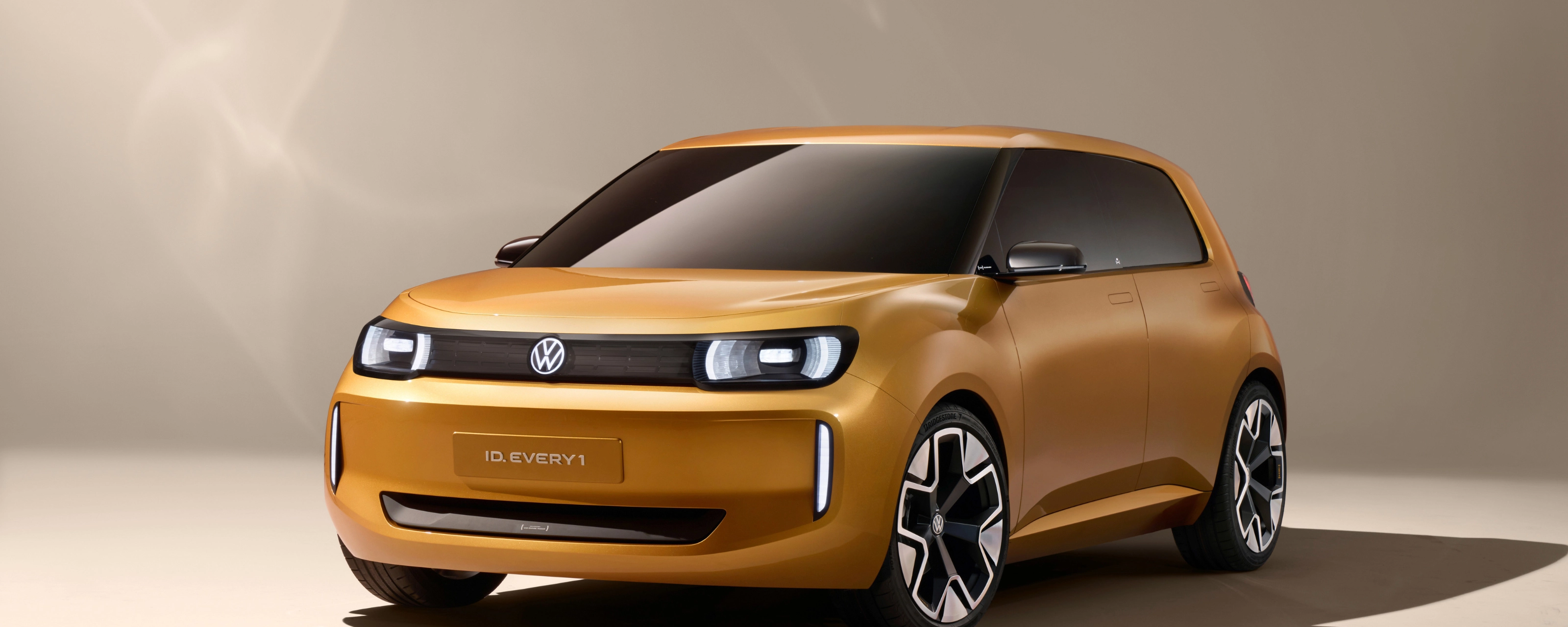
The goal is to deploy modular, high-performance central computers that manage all vehicle functions with a high degree of automation—from the digital cockpit and driver assistance systems to connectivity and comfort features. VW plans to debut this SDV architecture in its electric compact model, the ID.Every1 (expected to launch in 2027), before rolling it out to further vehicles based on the Scalable Systems Platform (SSP).
Qualcomm’s chips are designed to handle more than just traditional infotainment; they will also enable advanced connectivity and assistance functions. This includes 5G communication, V2X (Vehicle-to-Everything) technology, and AI-powered applications for personalized experiences, such as intelligent voice and gesture control, adaptive comfort settings, and route optimization. Furthermore, the modular architecture supports over-the-air (OTA) updates, allowing vehicles to receive software enhancements and stay up-to-date for years.

Automated Driving Alliance (ADA) Aims to Develop AI-Based System for Highly Automated Driving
Additionally, the Automated Driving Alliance (ADA)—a joint initiative between CARIAD and Bosch—intends to utilize the Snapdragon Ride Elite platform, Qualcomm’s most powerful automotive compute platform, to accelerate the development of automated driving. The ADA's objective is to create an AI-based, end-to-end system for highly automated driving that is scalable across brands and models and fully compatible with the SDV architecture. Thanks to its AI-driven design, Snapdragon Ride Elite will enable extremely low latency for sensor processing and real-time decision-making.
The proposed supply partnership is currently being spearheaded by Audi AG and the Volkswagen Passenger Cars brand, with the goal of achieving a Group-wide impact. As part of the letter of intent, the Group’s brands also plan to integrate Snapdragon® 5G Modem-RF and V2X technology into their upcoming SDV-based vehicles, facilitating ultra-fast connectivity and real-time communication for safer, smarter, and more connected driving.