



Technology
Polestar Advances Battery Circularity: 50 Percent Recycled Cobalt in Polestar 2 and Polestar 3
Image: (c) Polestar
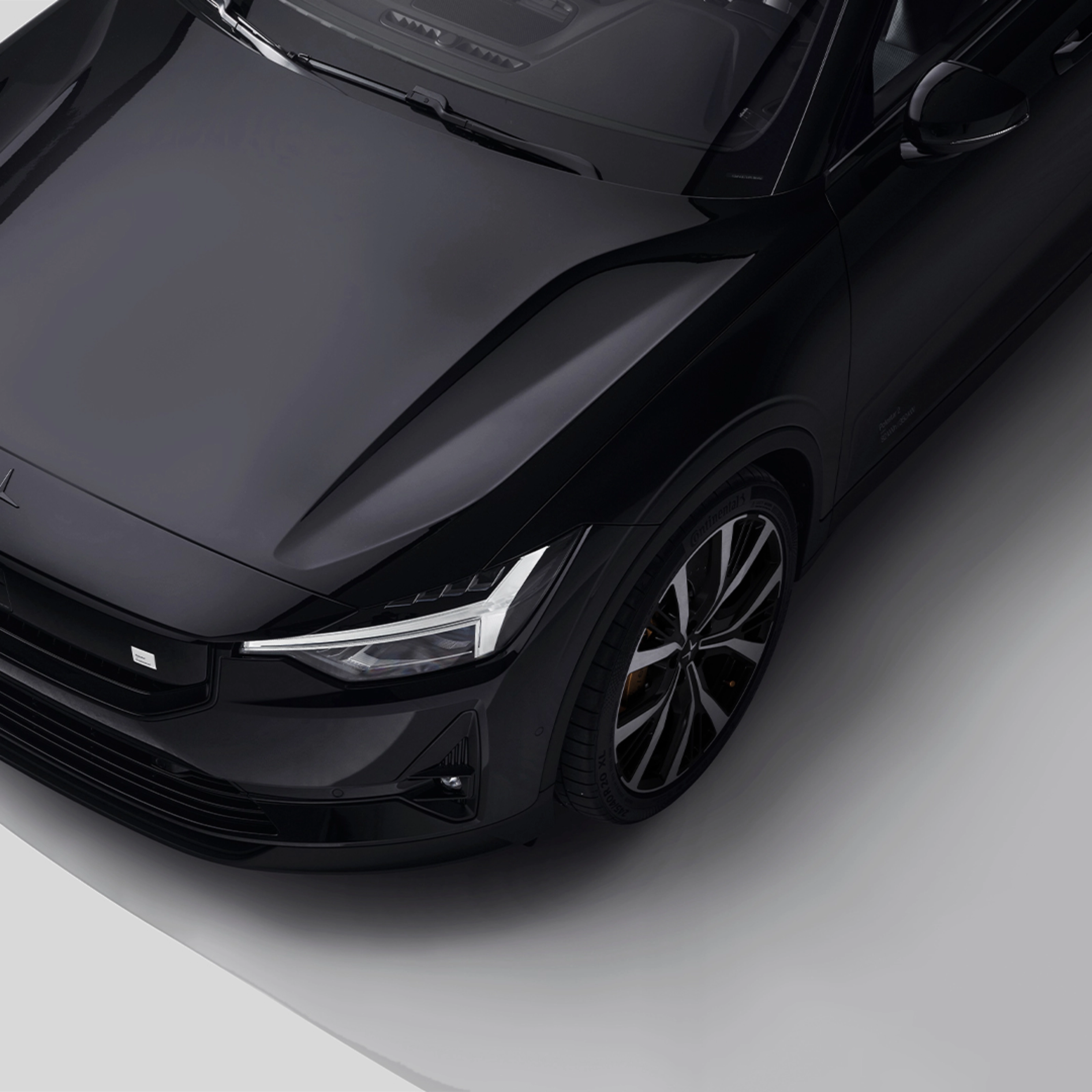
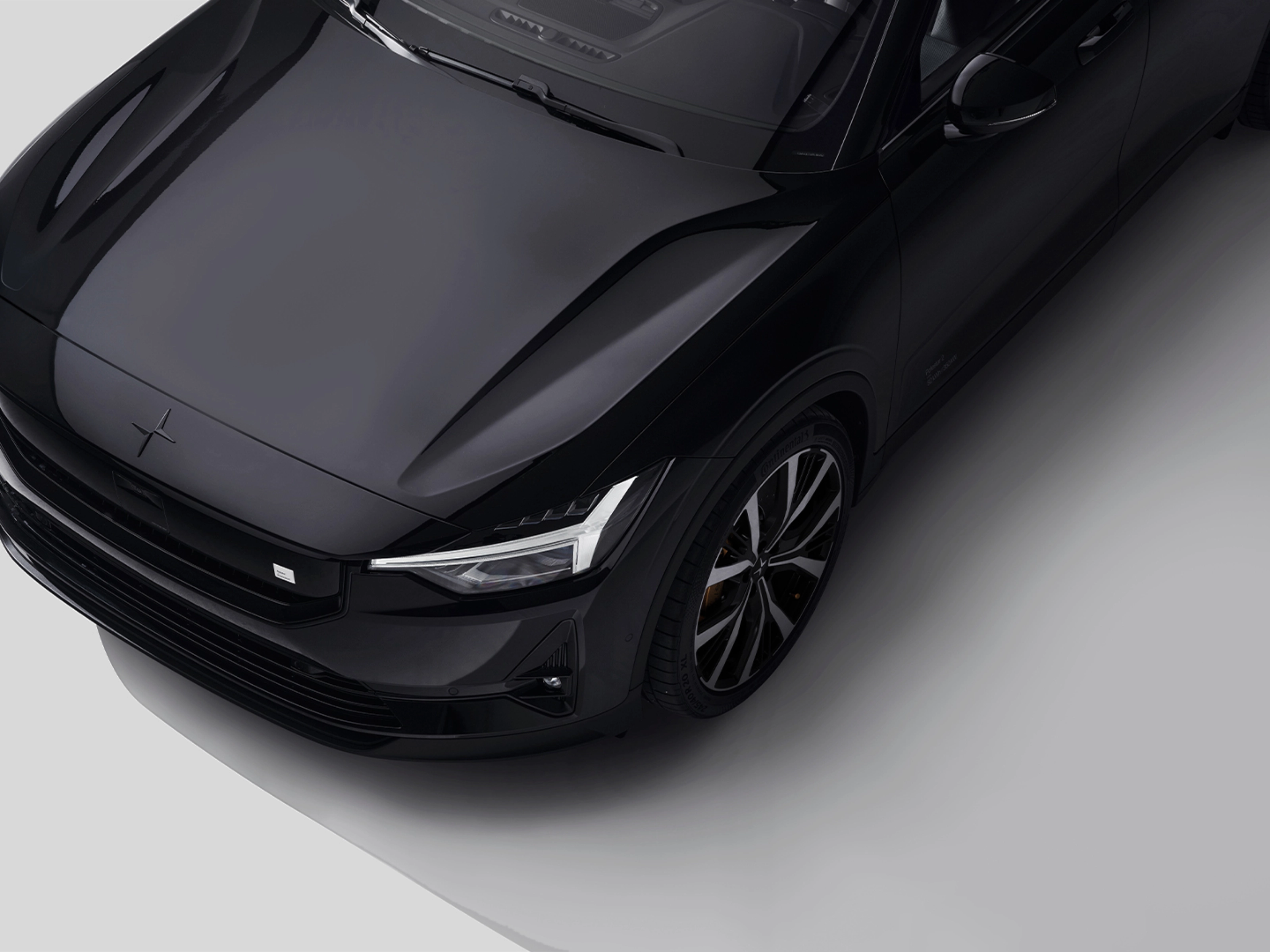
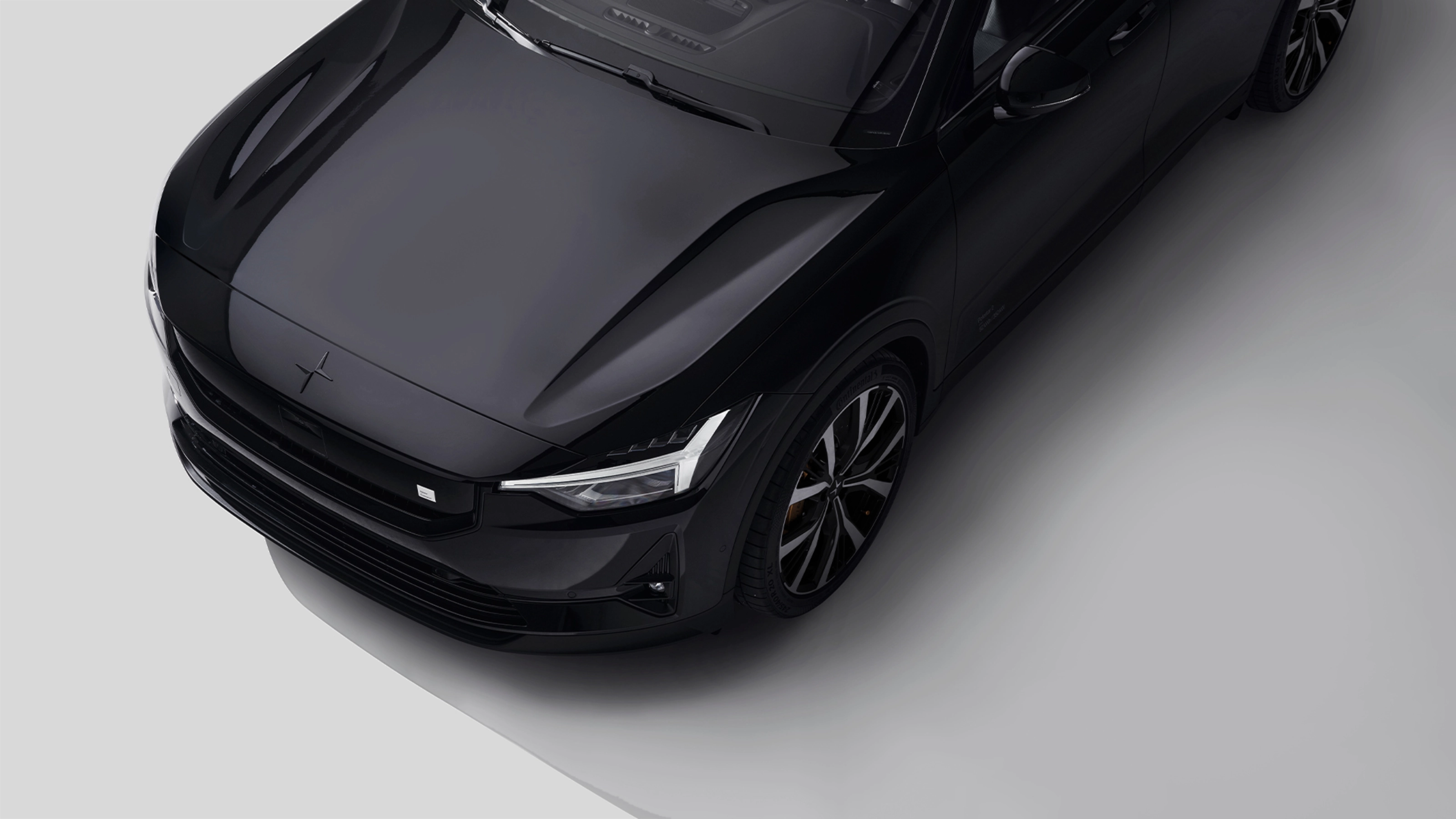
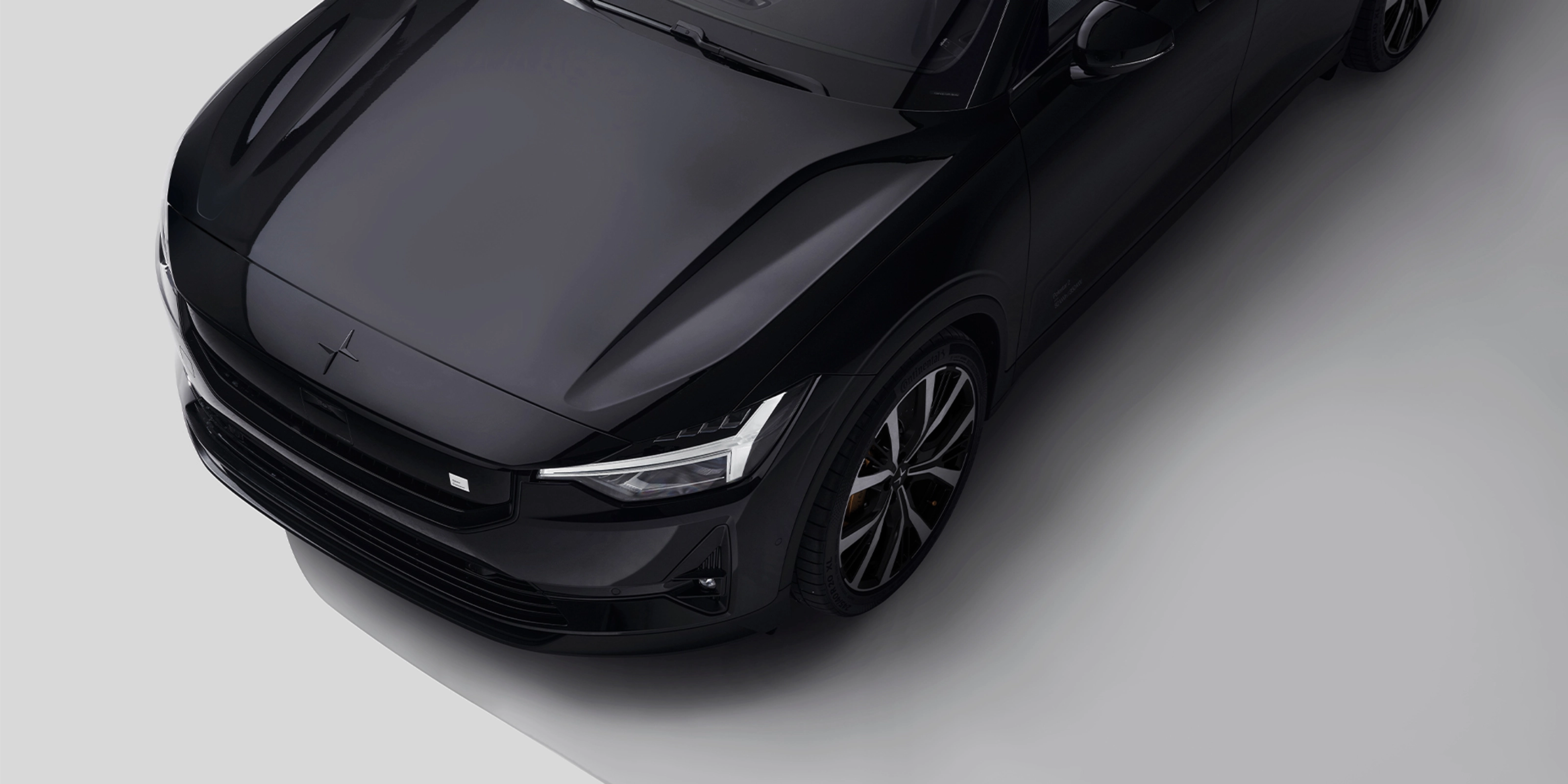
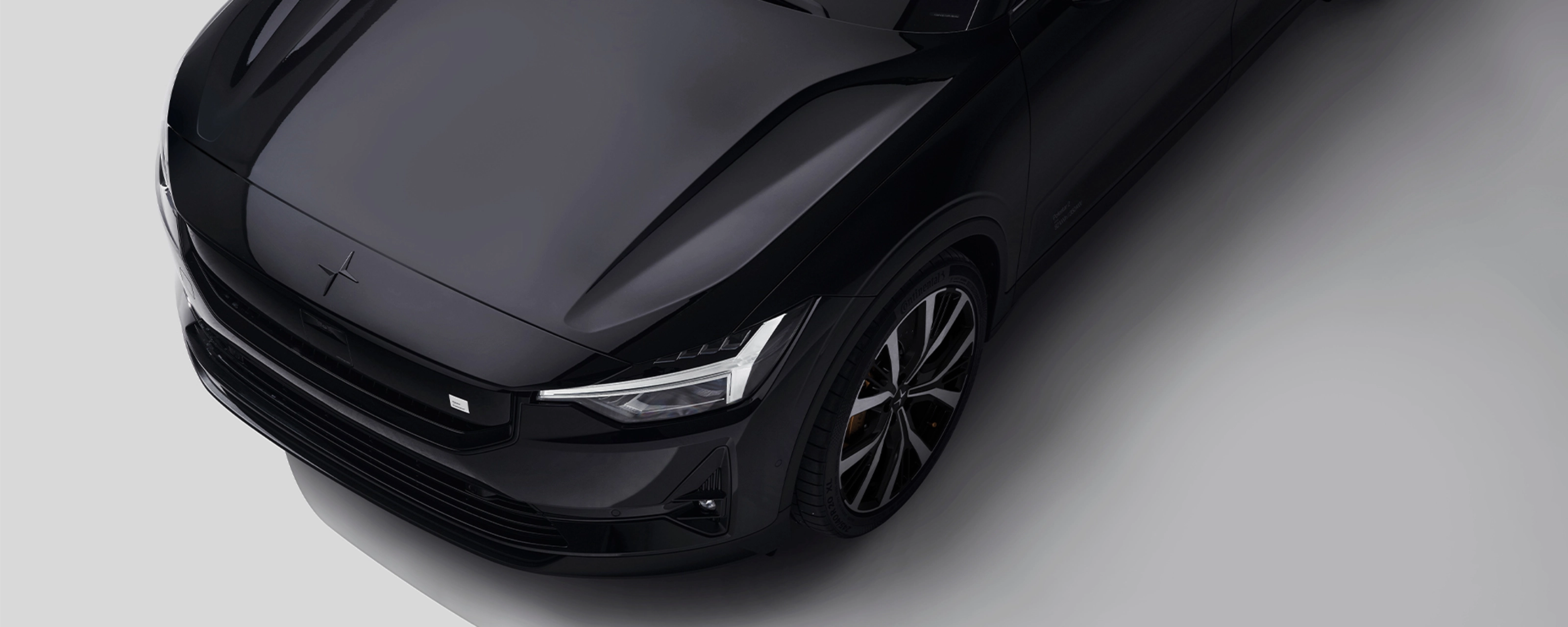
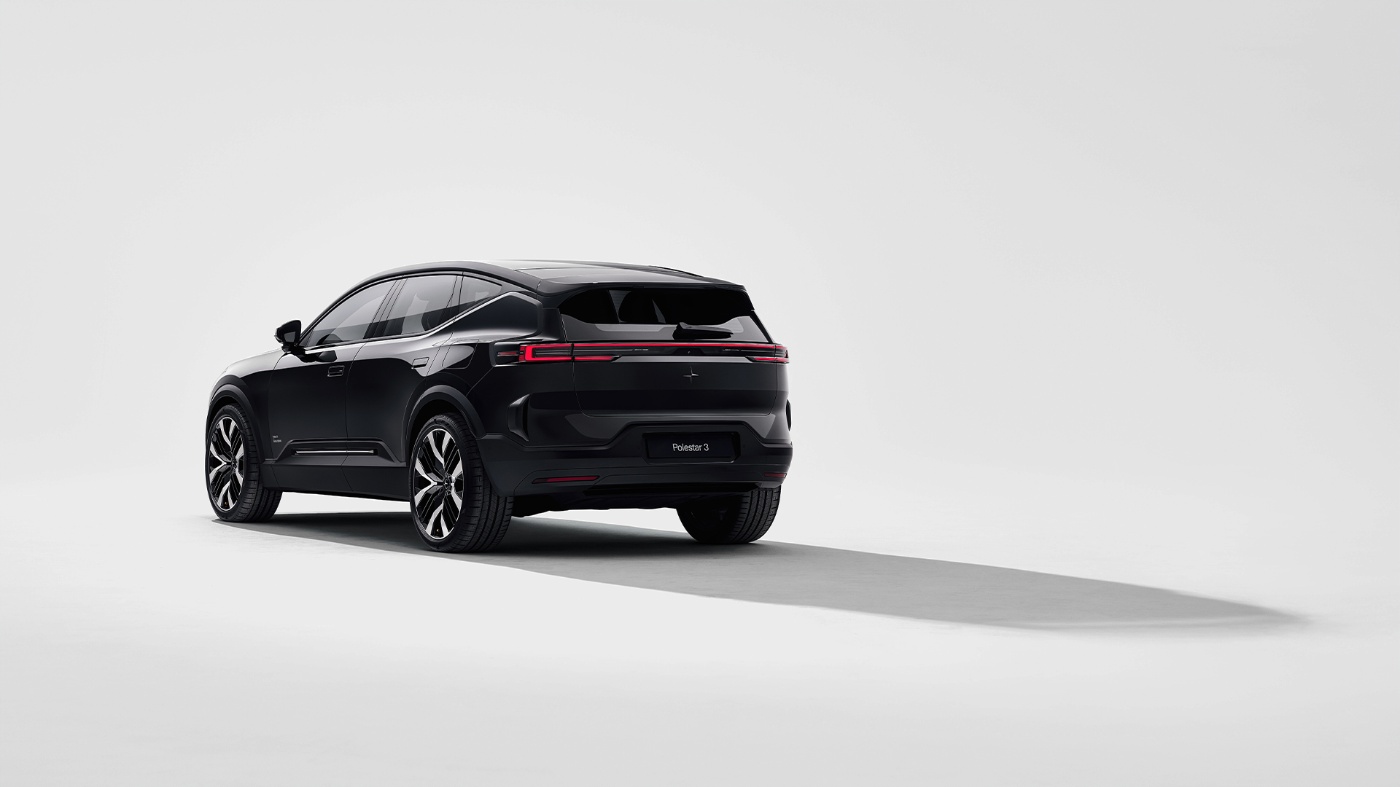
Swedish electric performance car brand Polestar is doubling down on its circular battery economy strategy, reaching a significant new milestone: batteries for the Polestar 2 and Polestar 3 now contain at least 50 percent recycled cobalt. With this move, the company aims to send a clear signal regarding the shift toward more sustainable supply chains and resource-efficient electromobility.
Swedish electric performance car brand Polestar is doubling down on its circular battery economy strategy, reaching a significant new milestone: batteries for the Polestar 2 and Polestar 3 now contain at least 50 percent recycled cobalt. With this move, the company aims to send a clear signal regarding the shift toward more sustainable supply chains and resource-efficient electromobility.

Focus on Reduced Raw Material Dependency and Increased Transparency
The increased use of recycled materials is part of a comprehensive strategy to reduce Polestar's reliance on primary raw materials while increasing transparency across the entire value chain. The goal is to keep valuable resources in the cycle as long as possible and secure their long-term availability.
Circularity Across the Entire Lifecycle
Polestar intends to apply the concept of circularity well beyond material sourcing. During the vehicle's usage phase, a primary focus is placed on extending battery life and maintaining its value for as long as possible. This approach is intended to provide both environmental benefits and increased customer value through improved battery longevity.
Refurbishment Over Replacement: Closed-Loop Battery Cycles
A key component of this strategy is the collaboration with Volvo Cars' battery centers, where high-voltage batteries are refurbished and put back into service. If a vehicle requires a battery replacement, customers are to receive a refurbished battery with a comparable state of health (SoH). This approach helps establish closed material loops, reduces resource consumption, and safeguards the vehicle's long-term value.
Building Global Recycling Partnerships
In parallel, Polestar is establishing recycling partnerships across all relevant markets. The objective is to extend battery lifecycles and further maximize the recovery of valuable materials.

Sustainable Materials and Reduced Complexity
Beyond the battery, Polestar utilizes a wide range of circular material solutions. These include recycled aluminum and steel, carpets made from ECONYL® polyamide, and yarns derived from PET waste. This approach is complemented by reduced material complexity, modular vehicle architectures, and the increased use of mono-materials. The ultimate goal is to develop vehicles that are as high-performing as they are sustainably engineered.
Transparency as a Core Strategy
Since 2020, Polestar has maintained a rigorous approach to climate transparency. The company publishes Life Cycle Assessments (LCAs) for every model, disclosing CO2 emissions across the entire value chain. The Polestar 2 was the first vehicle to feature cobalt traceable via blockchain technology. According to Polestar, the company has successfully reduced relative CO2 emissions per vehicle by 25 percent since 2020.