

Technology
Changan Nevo A06: World’s First Production EV with Sodium-Ion Battery
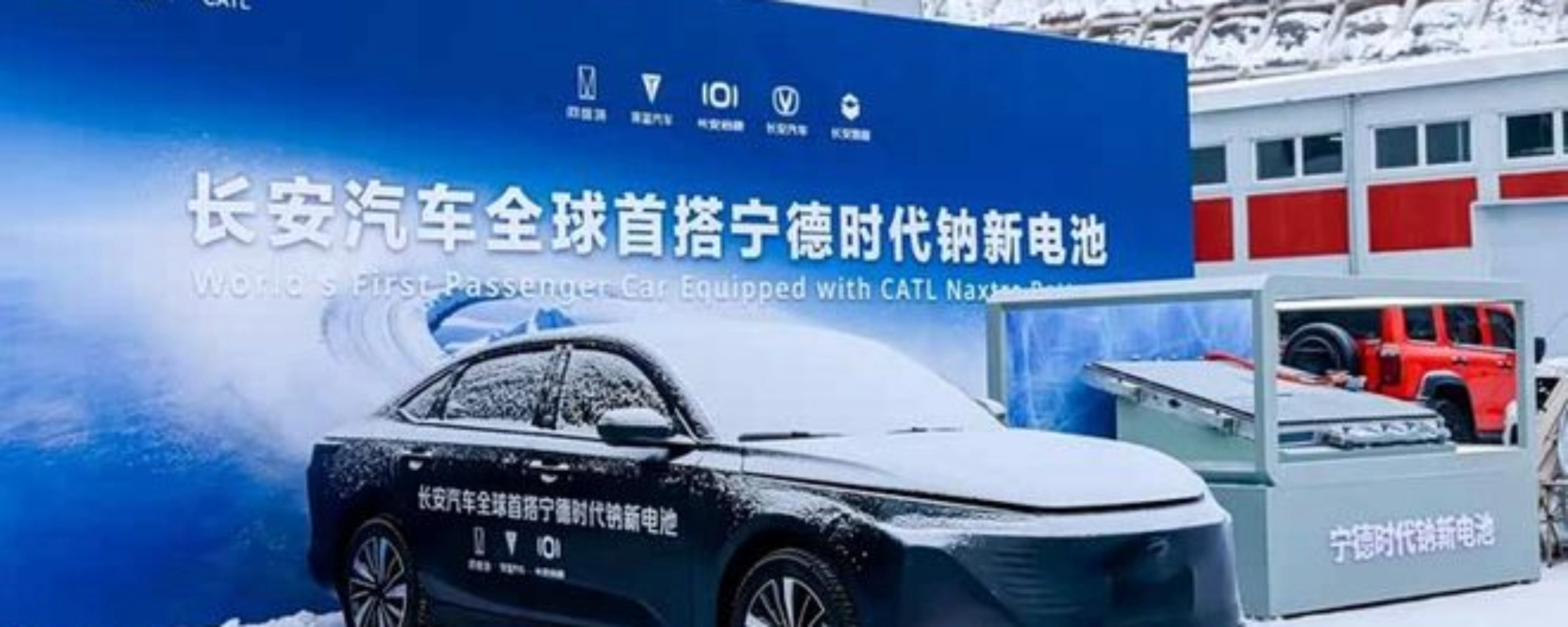
Image (c) Changan
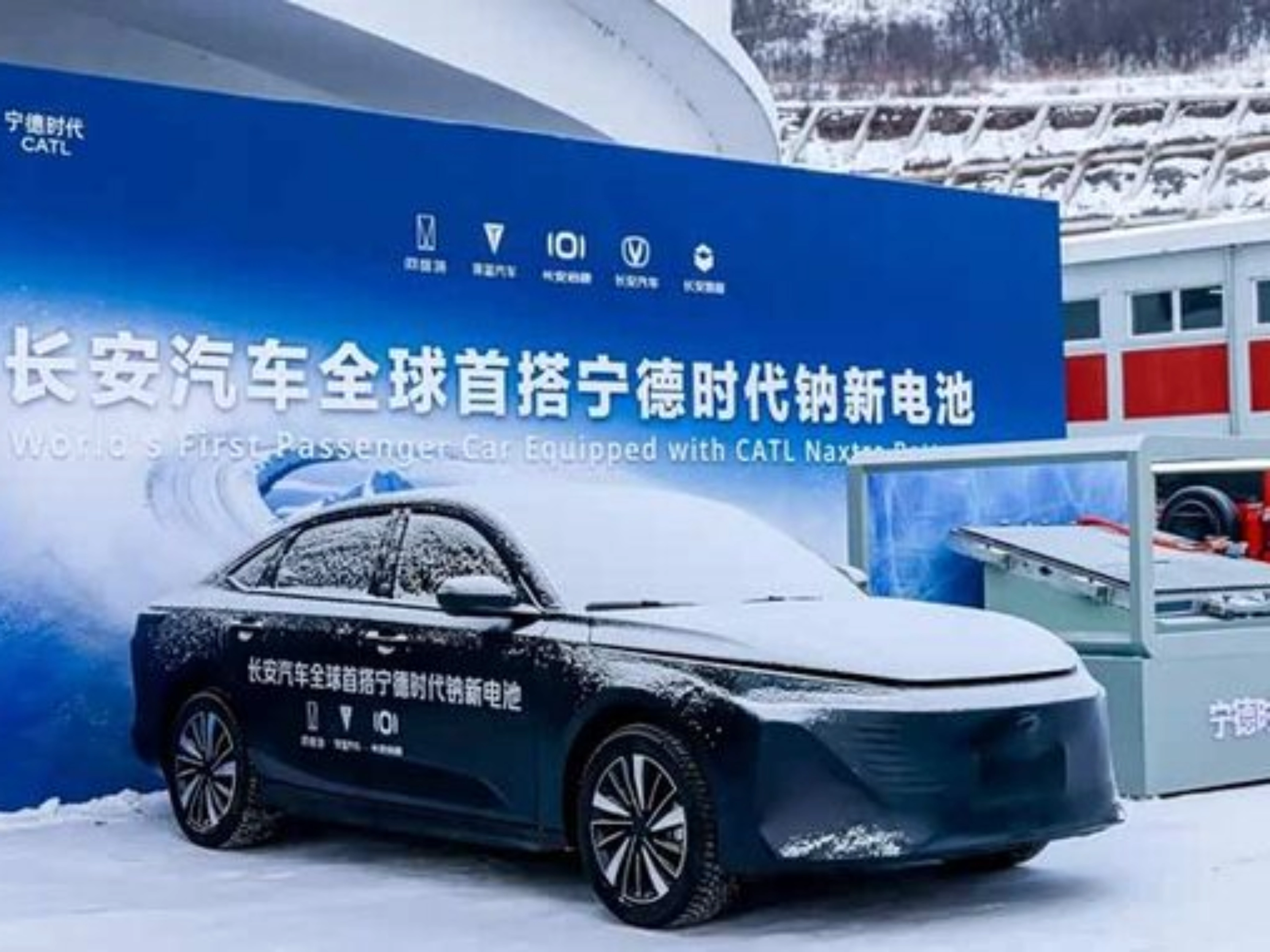
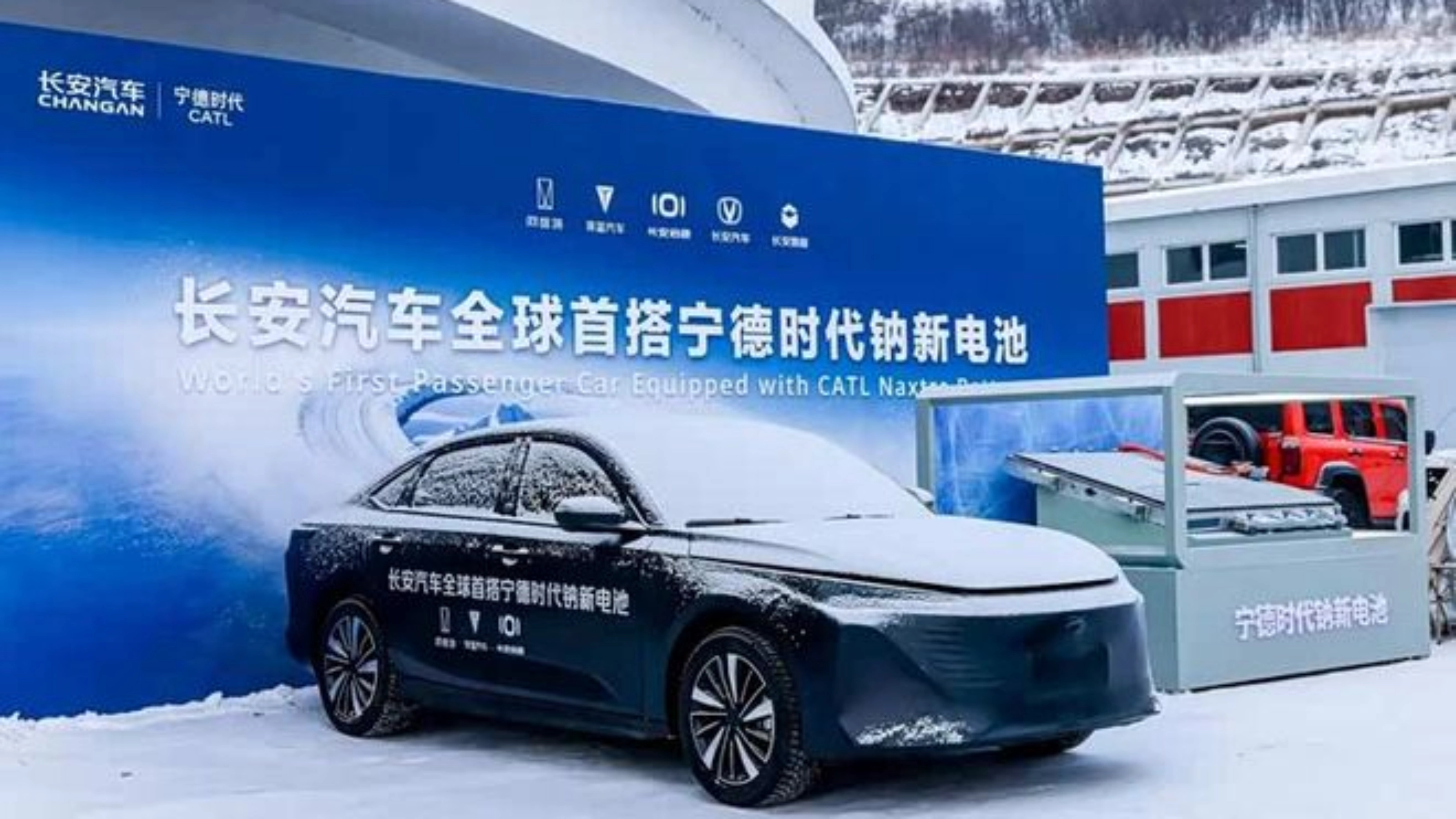
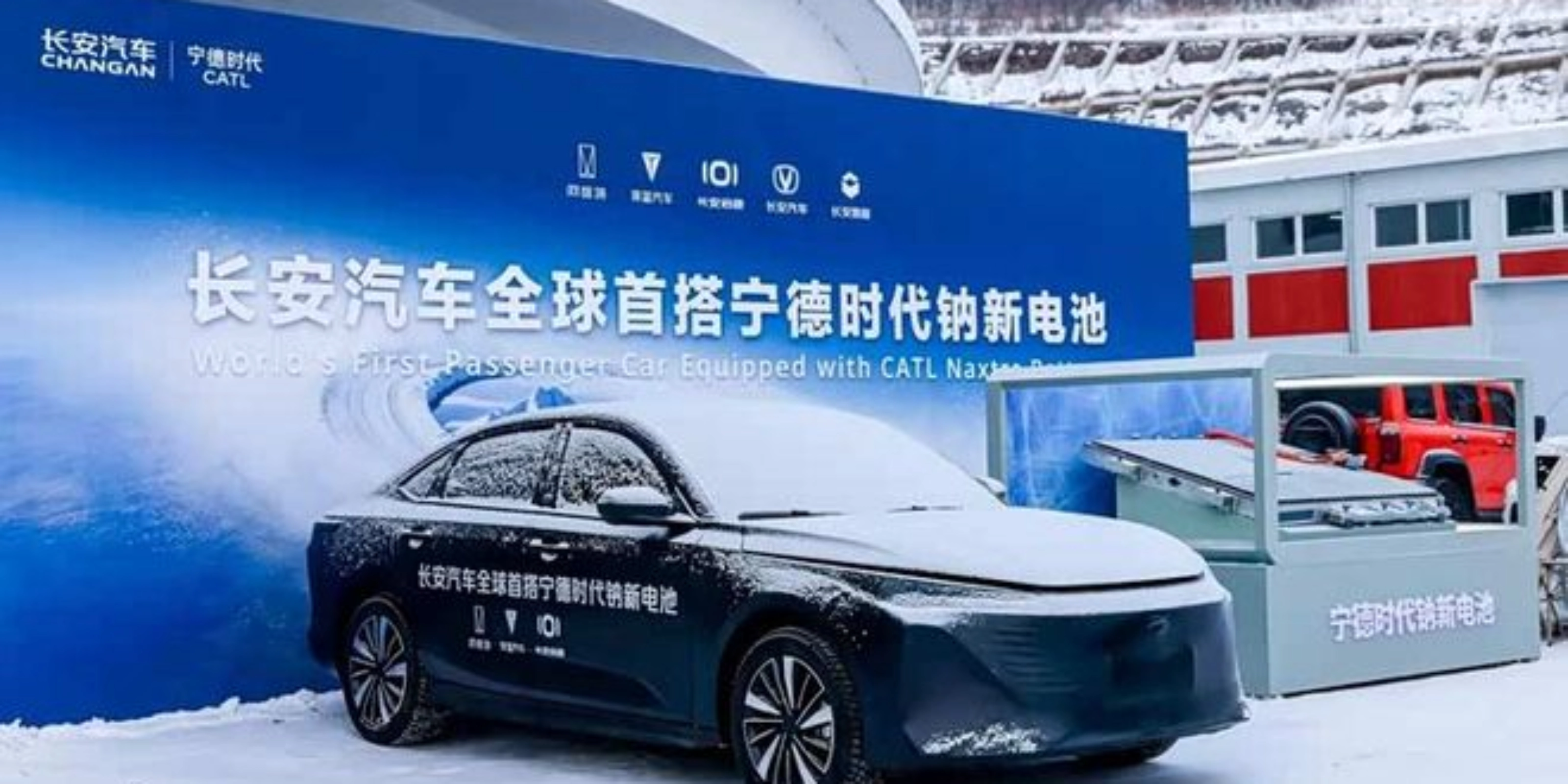
Chinese automaker Changan Automobile is set to make history in mid-2026 with the launch of the Nevo A06, the first production passenger car to feature a sodium-ion battery. The vehicle will be powered by "Naxtra" cells from Contemporary Amperex Technology Co., Limited (CATL)—the Chinese battery giant that dominated the global EV and energy storage battery market with a roughly 38% market share in 2025.
Chinese automaker Changan Automobile is set to make history in mid-2026 with the launch of the Nevo A06, the first production passenger car to feature a sodium-ion battery. The vehicle will be powered by "Naxtra" cells from Contemporary Amperex Technology Co., Limited (CATL)—the Chinese battery giant that dominated the global EV and energy storage battery market with a roughly 38% market share in 2025.
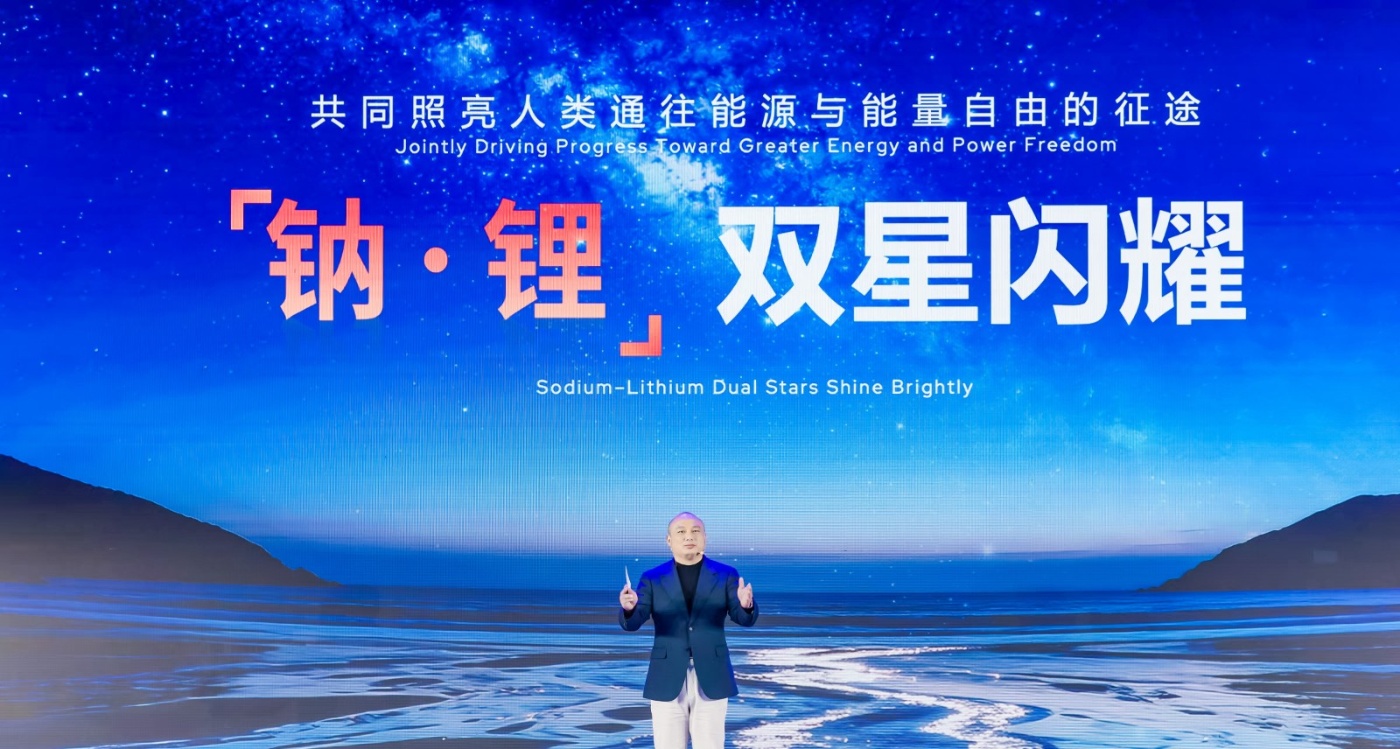
CATL’s sodium-ion (Na-ion) battery represents a fundamental shift from traditional lithium-ion technology. By eliminating the need for lithium, cobalt, and nickel and utilizing widely available sodium instead, this technology promises significantly lower production costs, enhanced safety, and high performance even in extreme temperatures. CATL reports that the Naxtra cells achieve a gravimetric energy density of approximately 175 Wh/kg—nearly matching current LFP (lithium iron phosphate) batteries. Furthermore, the cells can reach an 80% state of charge in about 15 minutes and are designed to operate in temperatures ranging from -40°F to 158°F (-40°C to +70°C).
The Changan Nevo A06 will feature a 45 kWh sodium-ion pack, delivering a range of over 400 kilometers (approx. 249 miles) based on the China Light-Duty Vehicle Test Cycle (CLTC). For context, this figure would typically be lower under EPA or European WLTP standards.
A major advantage of Na-ion technology is its exceptional cold-weather performance. In testing, the battery remains functional at extreme sub-zero temperatures, retaining significantly more capacity than conventional lithium-ion cells—a critical factor for drivers in colder climates. Additionally, the abundance of sodium makes this technology a potentially more cost-effective alternative to current battery chemistries.
As part of its global battery strategy, Changan plans to integrate Na-ion technology across multiple models. The company has already subjected the cells to rigorous stress tests, including operation at -40°F, to ensure long-term reliability and safety.