

Technology
CATL Unveils Six Key Innovations: Multi-Chemistry Approach Set to Redefine Electromobility
Image: (c) CATL
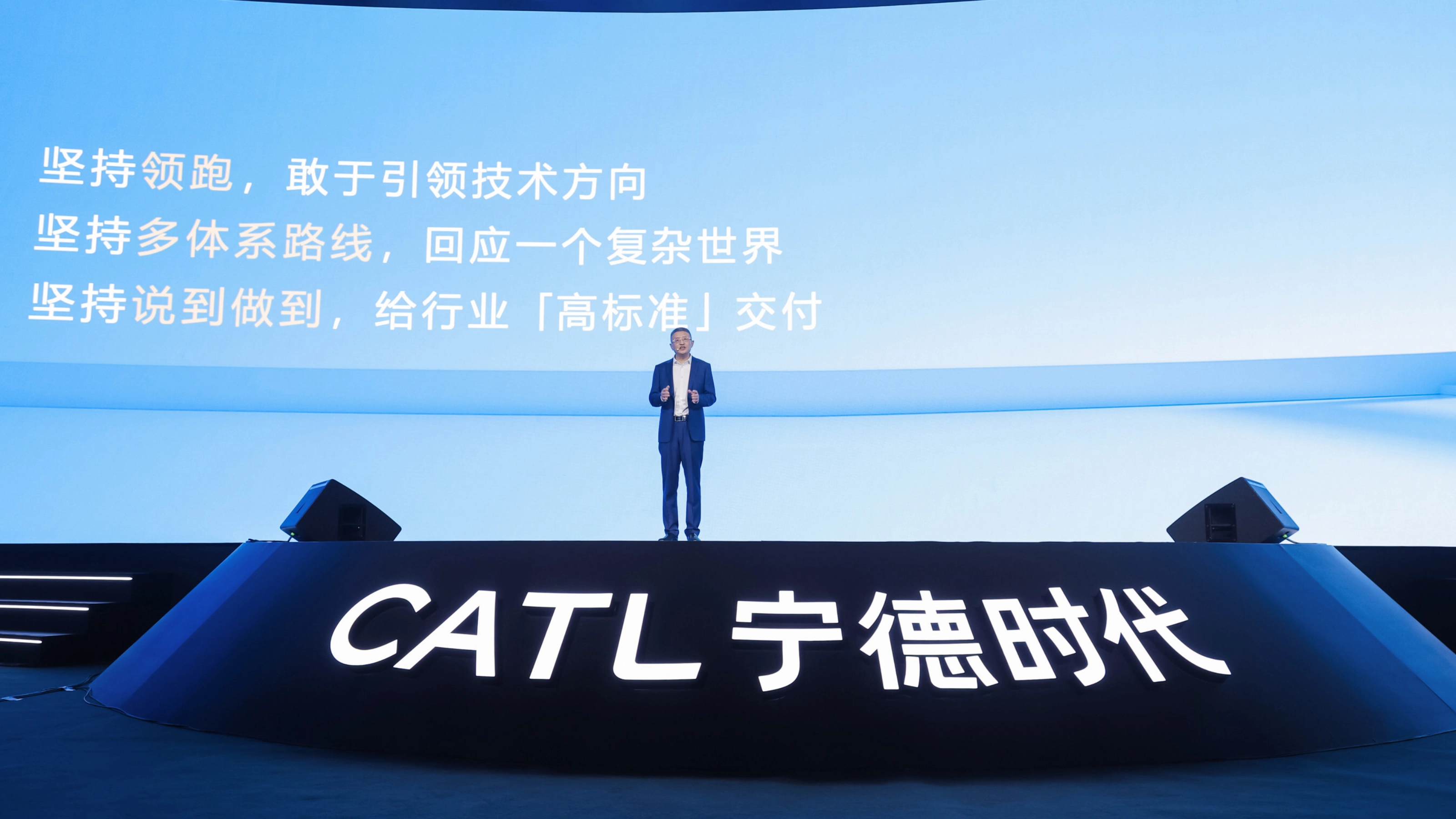
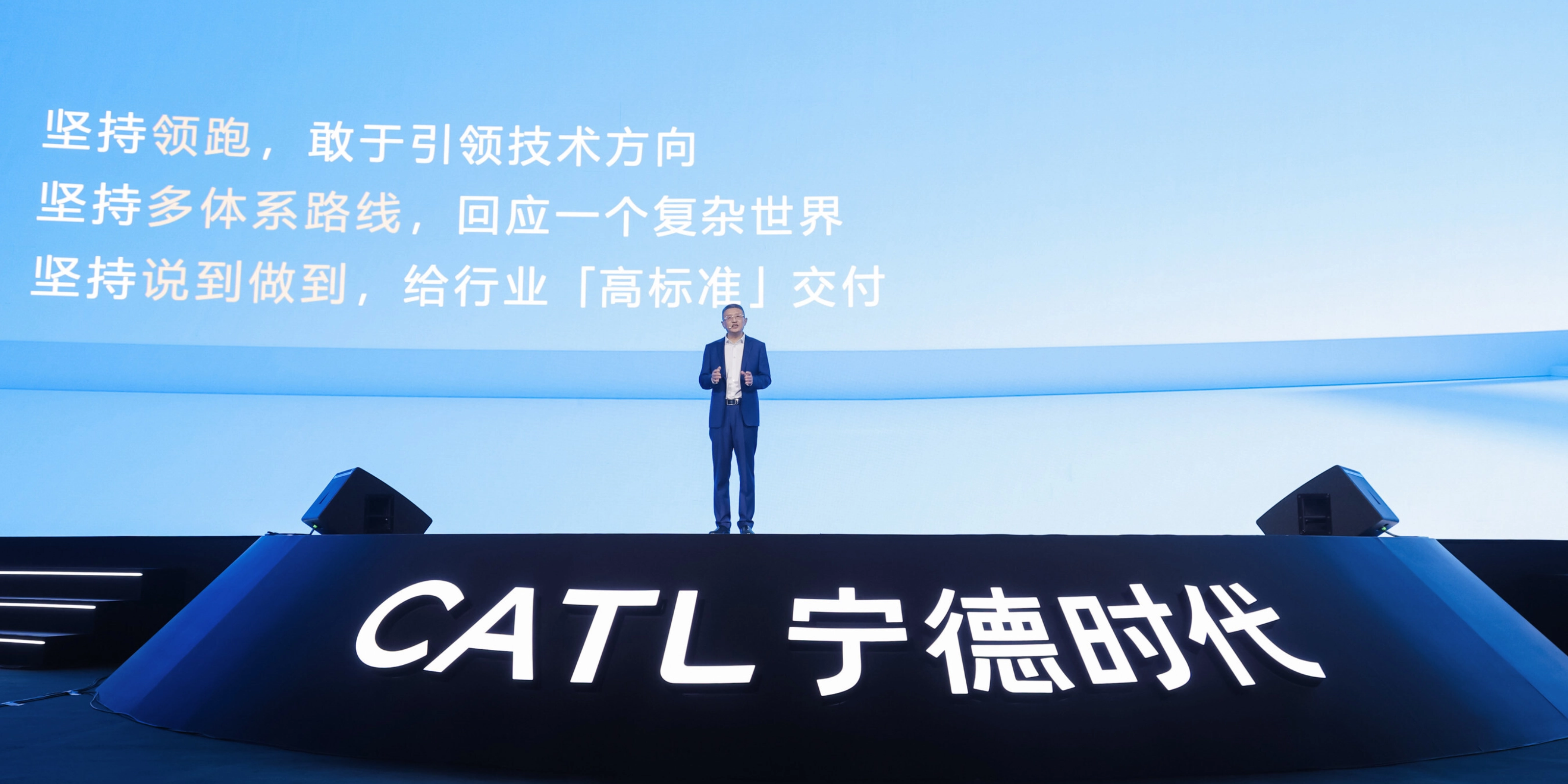
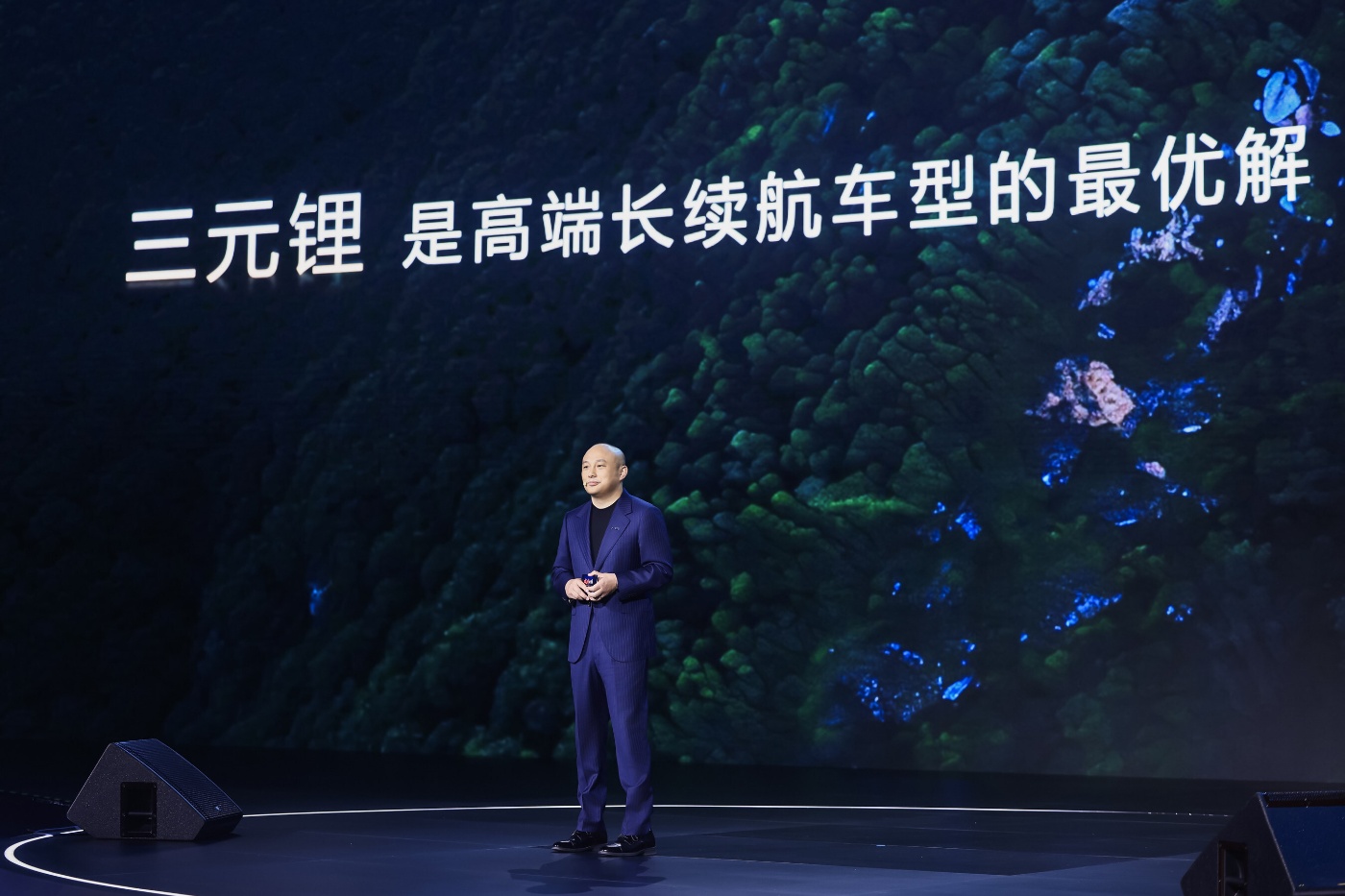
Battery giant CATL is rapidly accelerating the technological evolution of electric mobility. At its "Super Technology Day" in Beijing, the company introduced six pivotal innovations designed to rethink the interplay between various battery chemistries and charging infrastructures. These advancements aim to significantly enhance the performance, range, and everyday practicality of electric vehicles.
Battery giant CATL is rapidly accelerating the technological evolution of electric mobility. At its "Super Technology Day" in Beijing, the company introduced six pivotal innovations designed to rethink the interplay between various battery chemistries and charging infrastructures. These advancements aim to significantly enhance the performance, range, and everyday practicality of electric vehicles.
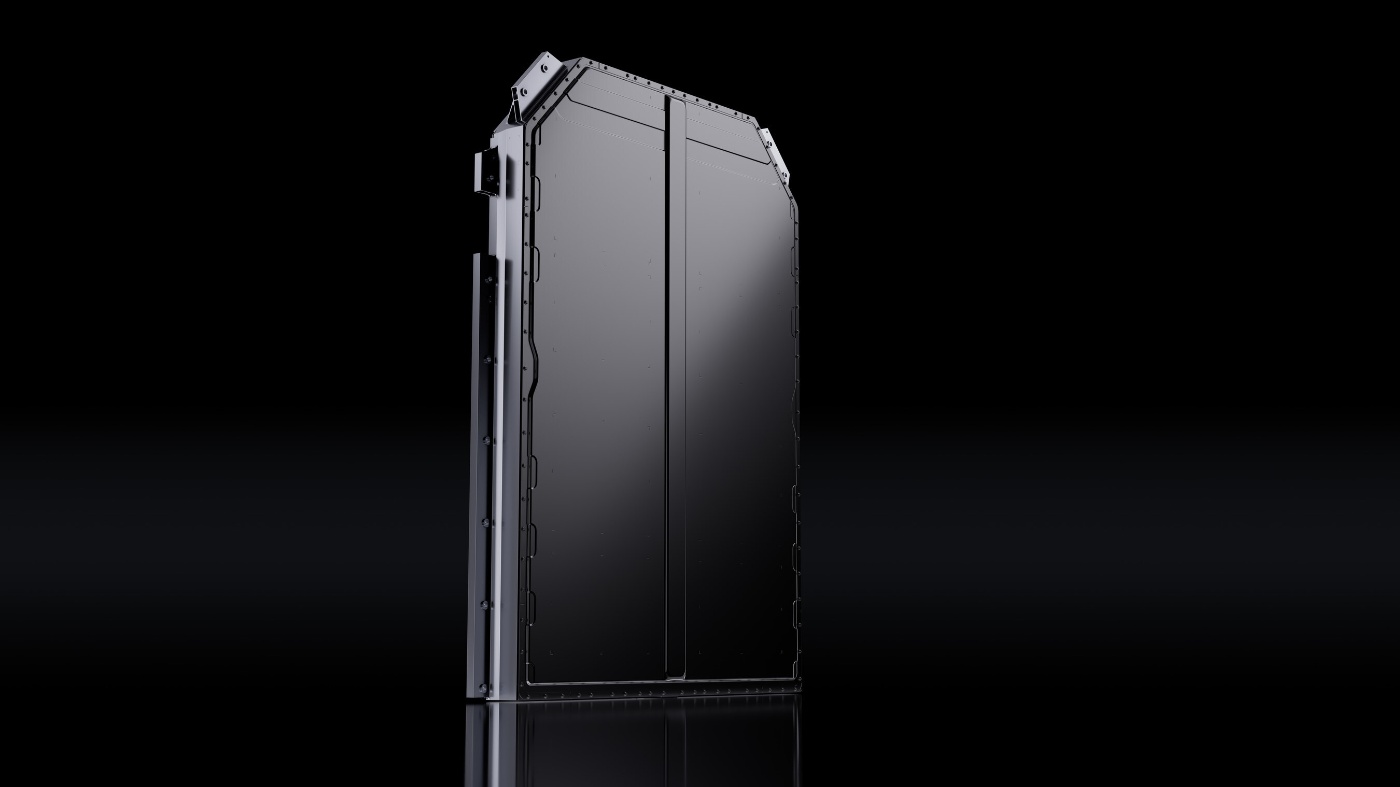
The announcements highlight a major strategic shift: CATL is increasingly moving toward "multi-chemistry systems." These systems combine different battery technologies based on specific use cases and vehicle requirements to achieve an optimal balance of efficiency, cost, and performance. Among the most notable innovations are several new battery types, including the further evolution of Qilin technology and the so-called "Condensed Battery," which brings aerospace-inspired technology to production vehicles for the first time. This condensed battery achieves an energy density of up to 350 Wh/kg, enabling ranges of up to 930 miles (1,500 km) for sedans and over 620 miles (1,000 km) for large SUVs.
In parallel, CATL presented a new generation of its Shenxing fast-charging battery, designed to offer extremely short charging times and further lower one of the primary barriers to EV adoption. The portfolio is rounded out by the Freevoy hybrid battery and a new sodium-ion battery, intended as a cost-effective and resource-efficient alternative for the mass market. With the "Naxtra" sodium-ion battery, CATL specifically addresses challenges regarding costs, raw material availability, and scalability. After overcoming technical hurdles in material stability and cell production, the company plans to launch large-scale mass production as early as late 2026.
Beyond performance and range, CATL is setting new standards for safety. An innovative design concept featuring "thermal-electrical separation" decouples thermal and electrical processes within the battery, significantly reducing the risk of uncontrolled thermal propagation. Simultaneously, the use of new materials such as titanium alloys and optimized cell chemistries ensures higher structural stability while reducing weight and increasing energy density.
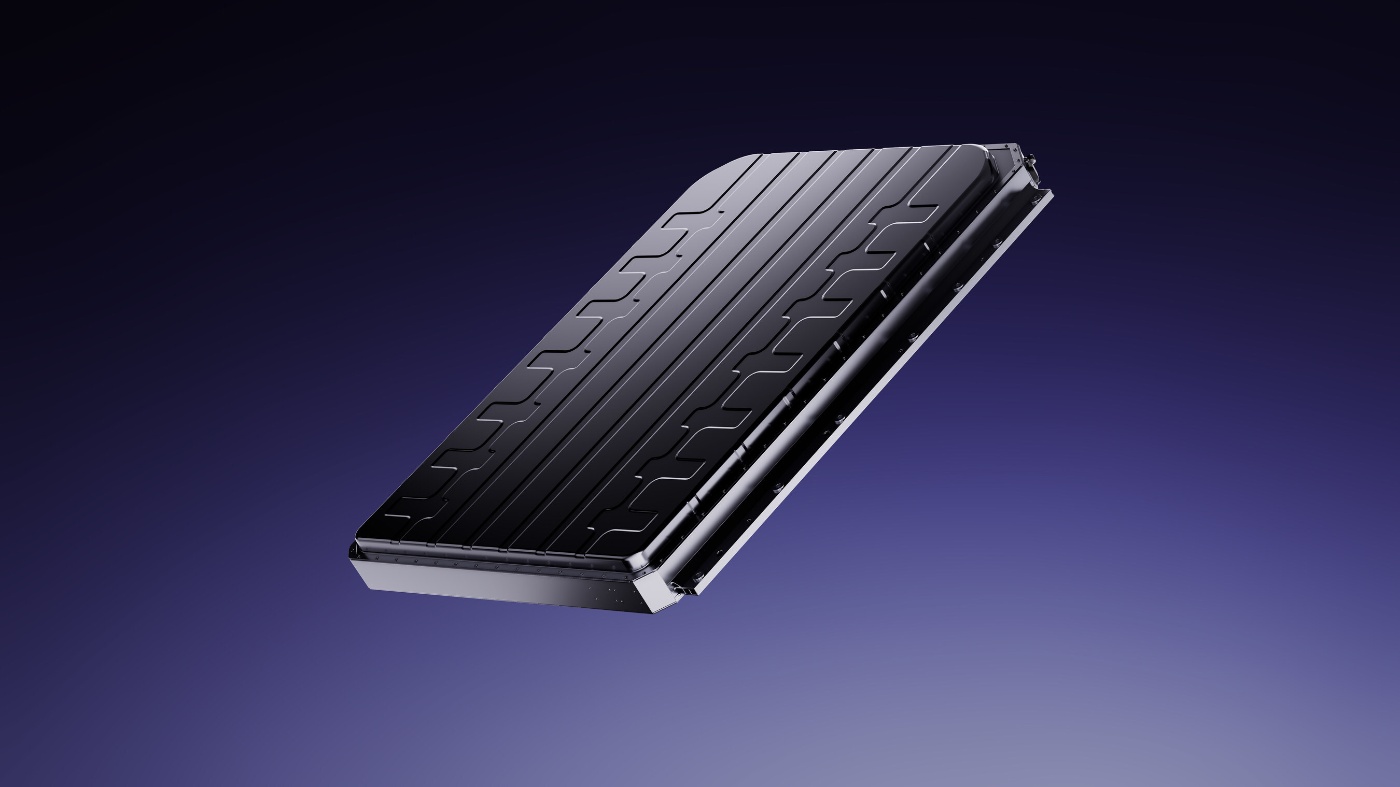
Another central component of the strategy is the integration of fast charging and battery swapping into a unified infrastructure. CATL is developing an integrated architecture that combines different energy supply concepts to allow for flexible use. The ultimate goal is to better align vehicle energy supply with real-world usage scenarios while continuing to drive down both charging times and operational costs.