Technology
Artemis II Launches to the Moon: German and European Technology On Board
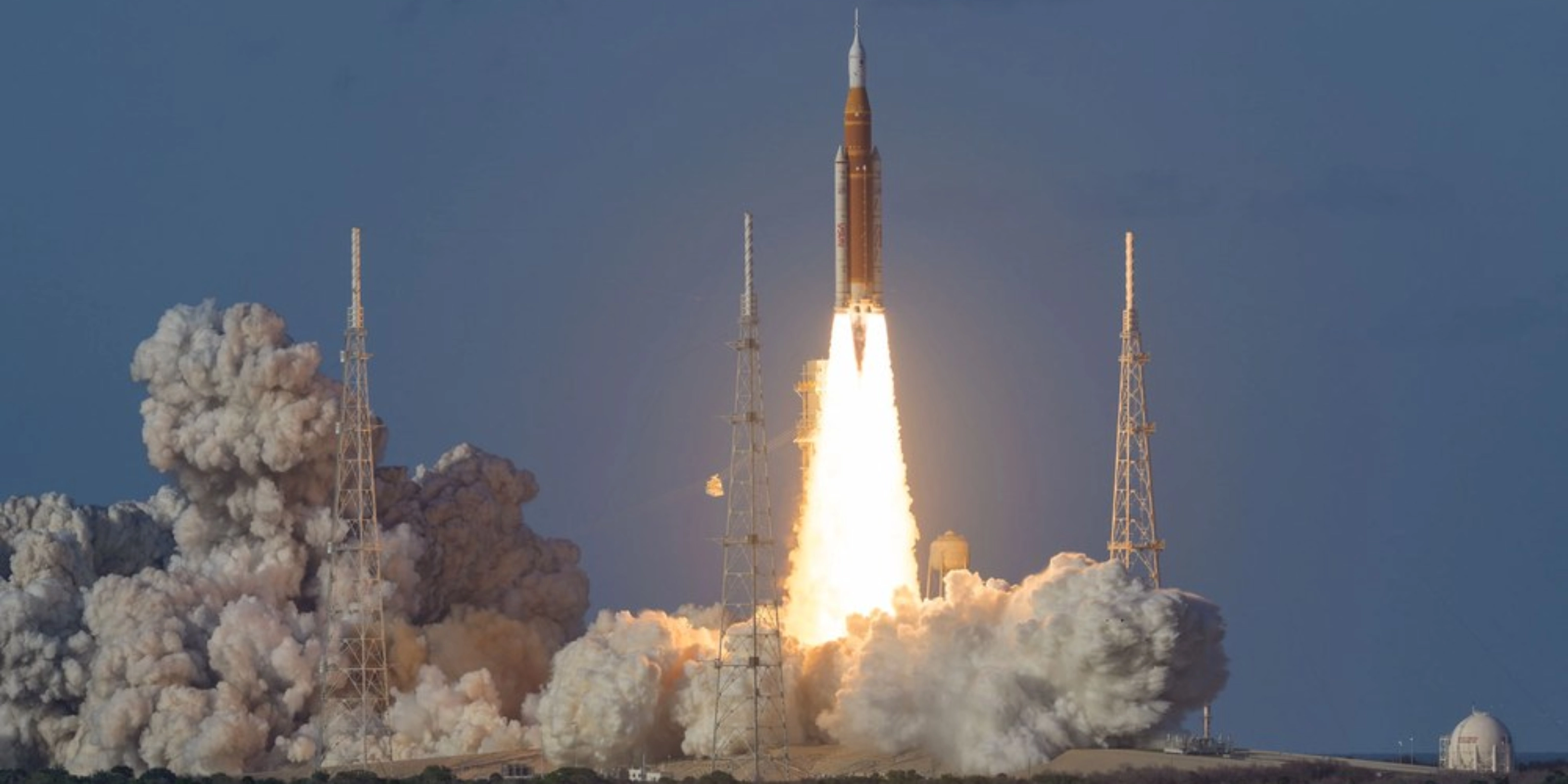
Image: (c) NASA / Bill Ingas
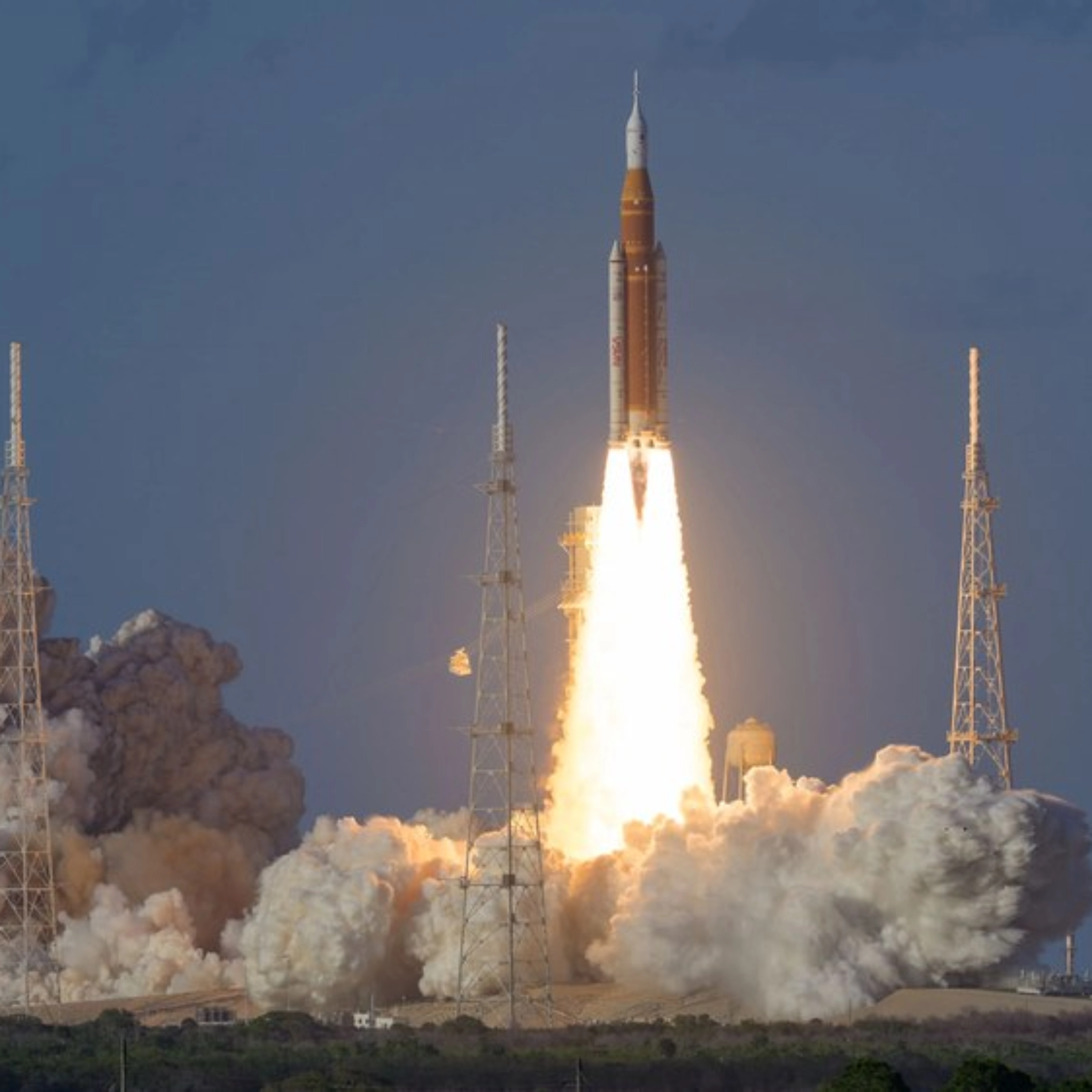
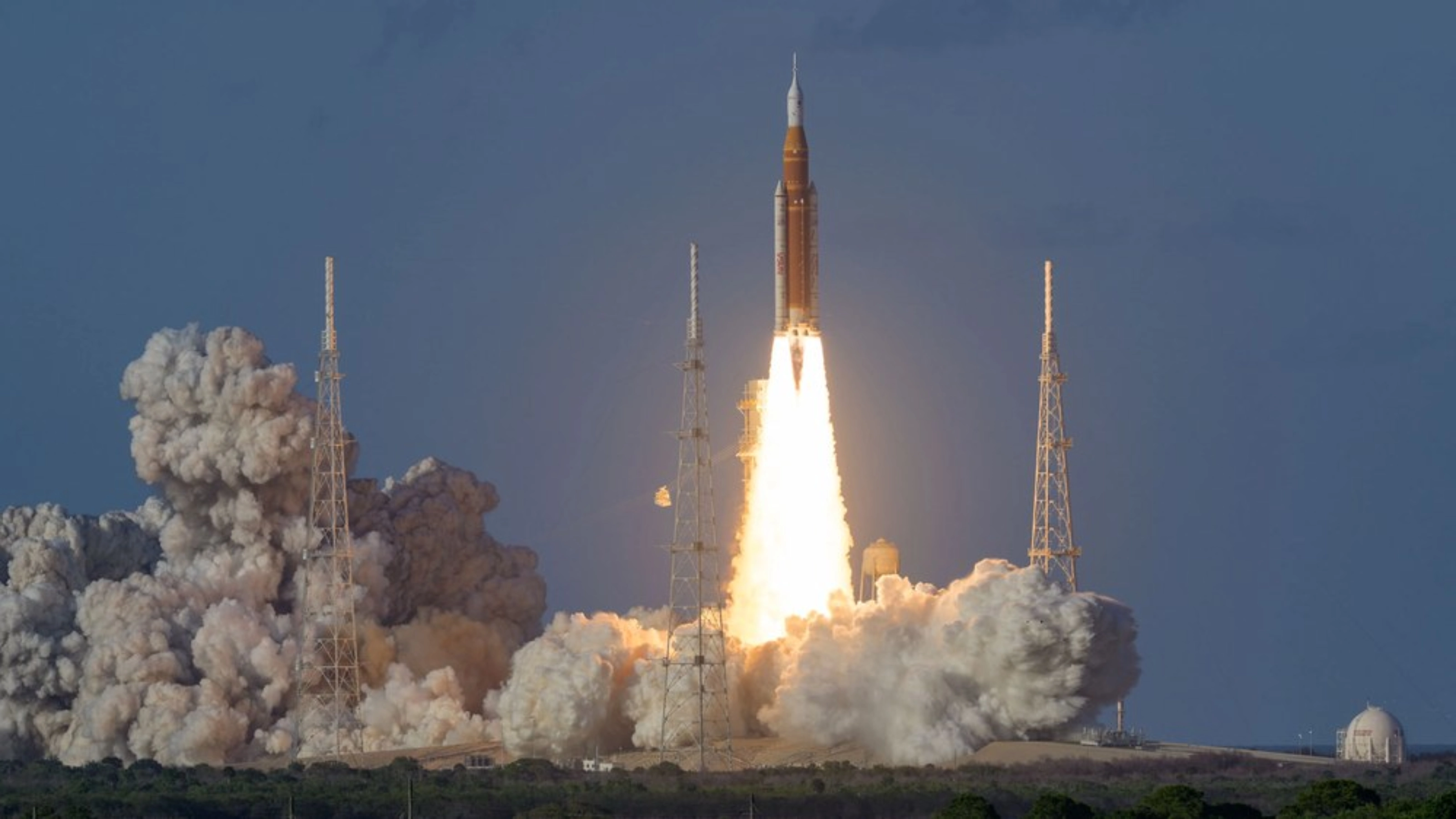
For the first time in 55 years, humanity is headed back to the Moon. On Wednesday, NASA’s Artemis II mission launched with a four-person crew aboard the Orion spacecraft. The mission is a ten-day journey designed to orbit the Moon and return to Earth—orbiting our lunar neighbor without landing. This mission serves as a critical test for future lunar landings under the Artemis program, which aims to establish a long-term human presence on the Moon. Along with the United States, Europe and Germany are playing a vital role in this historic endeavor.
For the first time in 55 years, humanity is headed back to the Moon. On Wednesday, NASA’s Artemis II mission launched with a four-person crew aboard the Orion spacecraft. The mission is a ten-day journey designed to orbit the Moon and return to Earth—orbiting our lunar neighbor without landing. This mission serves as a critical test for future lunar landings under the Artemis program, which aims to establish a long-term human presence on the Moon. Along with the United States, Europe and Germany are playing a vital role in this historic endeavor.

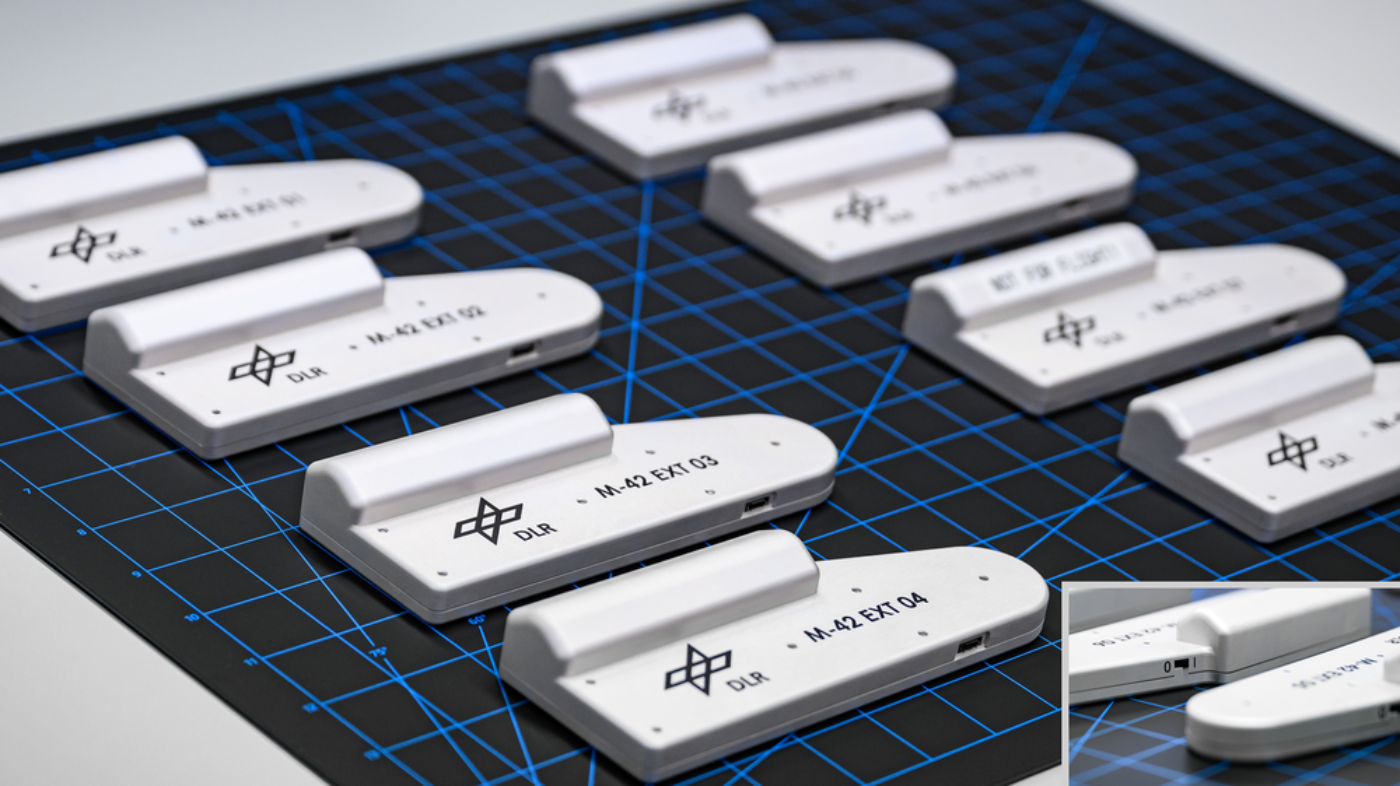
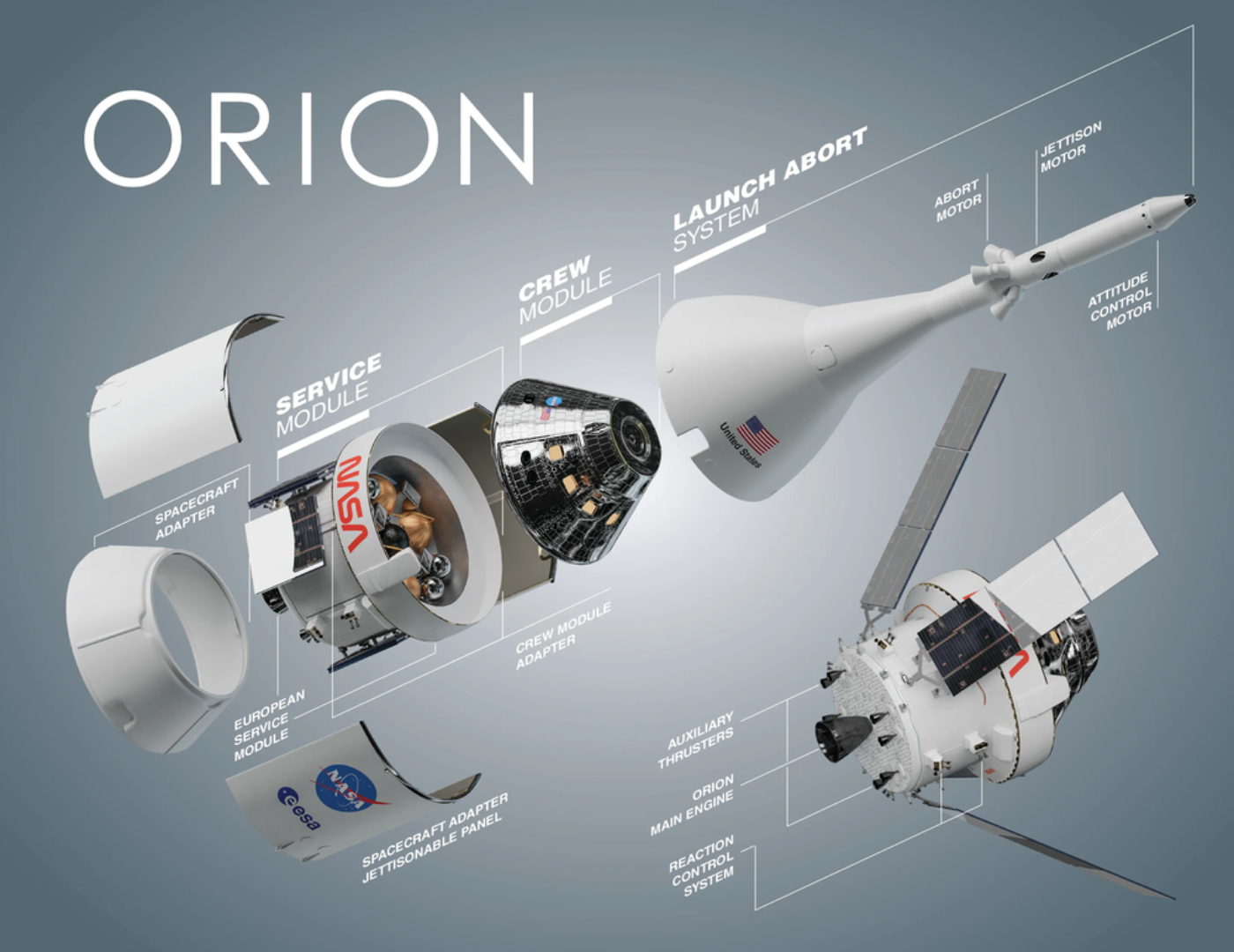
Specifically, four M-42 EXT (extended) radiation detectors from the German Aerospace Center (DLR) will measure cosmic radiation between Earth and the Moon. This mission also marks the first time the European Service Module (ESM) will transport humans into deep space. Additionally, TACHELES—a small-satellite demonstrator from Germany—is on its way to be deployed into lunar orbit. This CubeSat was selected by the German Space Agency at DLR.
German industry has also provided critical navigation sensors for the Orion capsule. Furthermore, a small satellite from a German startup is part of the mission; it is designed to pioneer technology for cost-effective access to the lunar surface while testing the impact of space radiation on spacecraft hardware.

The Orion crew capsule’s propulsion and power unit, known as the European Service Module (ESM), was developed and assembled in Bremen under the industrial leadership of Airbus Defence and Space.